In the vibrant and resource-rich landscape of Brazil, industries from mining to agriculture constantly seek machinery that offers reliability, efficiency, and longevity. At Weiwa Machinery, we understand the unique challenges faced by Brazilian operators—whether dealing with the abrasive nature of iron ore in Minas Gerais or the sticky humidity affecting aggregate processing in São Paulo. For decades, our mission has been to engineer solutions that transcend these geographical and operational hurdles. Today, we delve deep into one of our most sought-after pieces of equipment in the South American market: the rotary screen.
What is a Rotary Screen?
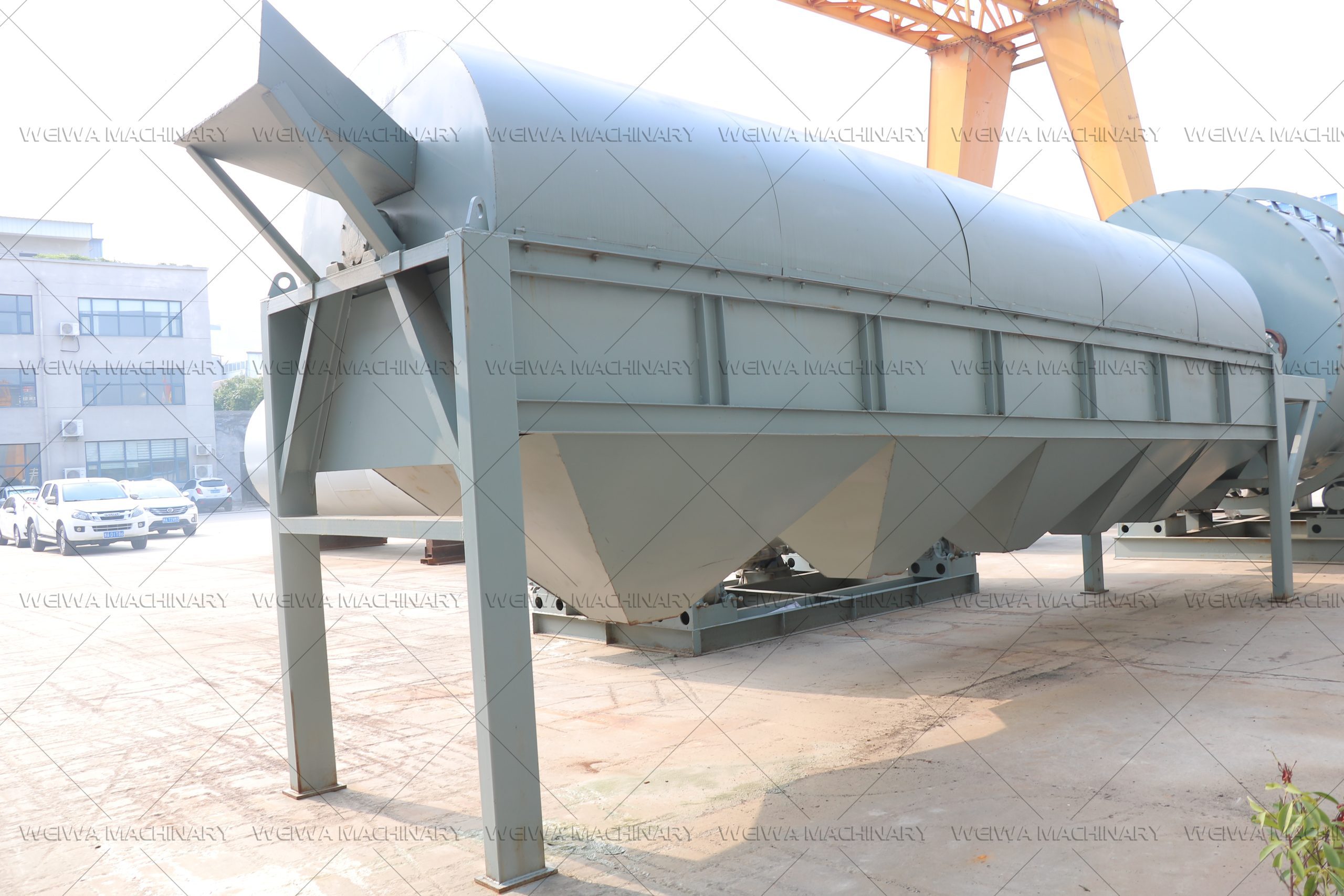
Before we explore the specific applications within Brazil, it is crucial to establish a foundational understanding of the machinery itself. A rotary screen, often referred to interchangeably as a roller screen or drum screen, represents a paradigm of mechanical simplicity married with screening efficiency. Unlike high-frequency vibrating screens that can cause material degradation and excessive noise, the rotary screen operates on a principle of gentle tumbling and gravity.
Imagine a slightly inclined, rotating cylindrical drum. As bulk material is fed into the higher end, the rotation—powered by a robust electric motor and gearbox system—causes the material to lift and cascade gently within the drum. This slow, deliberate motion allows smaller particles to find their way through precisely engineered perforations or mesh openings in the drum wall. Meanwhile, oversized materials continue their journey along the drum’s length to be discharged at the opposite end. This methodical process ensures that even fragile materials are screened without being pulverized, a critical advantage for industries handling seeds, fertilizers, or certain mineral ores common in Brazil.
The design philosophy behind our rotary screen prioritizes durability. In a country as vast as Brazil, where logistical challenges can lead to extended downtime, having a machine with fewer moving parts and a simple structural design is not just convenient; it is economically vital. The low rotational speed minimizes wear and tear, drastically reducing the need for frequent maintenance interventions and ensuring that your operation runs smoothly, day after day.
Why Brazil Needs Specialized Rotary Screens?
Brazil stands as a global powerhouse in several sectors, each presenting distinct material handling challenges. The demand for a high-quality rotary screen in Brazil is not merely a trend but a necessity driven by the country’s industrial growth and environmental regulations. Let us examine the specific contexts where our machinery excels.
Mining and Mineral Processing in Brazil
Brazil is synonymous with vast mineral wealth. From the iron ore giants of the Carajás Mine to the bauxite deposits in Pará, the mining sector is a cornerstone of the national economy. However, separating valuable ore from waste rock, or classifying different grades of material, requires heavy-duty equipment. Traditional vibrating screens often struggle with the high tonnages and abrasive nature of Brazilian ores, leading to rapid screen blinding and mechanical failure.
Our rotary screen for Brazil mining applications is constructed with high-tensile steel and features customizable aperture sizes. This allows mining companies to achieve precise separation efficiently. For instance, in a recent installation near Belo Horizonte, our client reported a 30% increase in processing efficiency after switching from a conventional shaker screen to our heavy-duty rotary screen. The gentler action prevented the breakdown of already friable ore, preserving the quality of the final product and reducing recirculation loads.
Construction, Aggregates, and Recycling
The infrastructure boom in cities like Brasília and Rio de Janeiro fuels a constant demand for high-quality aggregates. Sand, gravel, and crushed stone must meet stringent size specifications for concrete production. Furthermore, the growing emphasis on sustainability has propelled the recycling of construction and demolition waste (CDW) into the spotlight.
A rotary screen is uniquely suited for this task. When processing recycled concrete, the presence of rebar and irregularly shaped debris can quickly disable traditional screening decks. Our drum screens, equipped with internal lifters and a robust mesh, can handle this variability with ease. We recently conducted a trial run for a construction firm in Curitiba looking to recycle CDW into usable road base material. The results were unequivocal. The rotary screen successfully separated fine particles from larger rubble, producing two distinct, saleable products while minimizing dust generation—a significant concern in urban environments.
Agriculture and Biomass Handling
Beyond the industrial sectors, Brazil’s agricultural heartland relies heavily on efficient processing. Grains, coffee beans, and especially biomass like sugarcane bagasse or wood chips require careful handling. Abrasive screening can damage seeds or create excessive fines, diminishing the value of the harvest.
Our stainless-steel rotary screen models are designed for the food and agriculture industry, adhering to strict hygiene standards. In a pilot project with a soybean cooperative in Mato Grosso, our equipment was used to clean and classify seeds before planting. The feedback highlighted the machine’s ability to remove clods of earth and broken seeds without damaging the viable ones. This demonstrates that a rotary screen in Brazil is not just for heavy industry; it is a versatile tool adaptable to the nation’s agricultural cycles.
Real-World Performance: The Trial Run Experience
Theory and specifications are important, but nothing speaks louder than empirical evidence from the field. At Weiwa Machinery, we encourage potential clients to witness the capabilities of our rotary screen firsthand through factory acceptance tests and on-site trials.
One of our most illustrative case studies comes from a quarry operation in the state of Bahia. The client was struggling with a bottleneck in their crushing plant; their existing vibrating screen could not keep pace with the primary crusher, and the high noise levels were causing compliance issues with local labor regulations.
We proposed a trial of our mid-sized rotary screen, model WS-1230. The setup was straightforward, integrating seamlessly into their existing conveyor system. Over a three-day trial period, we processed over 5,000 tons of limestone. The results were documented meticulously. Firstly, the noise level was measured at below 75 dB, a stark contrast to the previous 95 dB environment, immediately improving workplace safety metrics. Secondly, the throughput exceeded expectations, processing material at 150 tons per hour without blinding, even with the damp feed material common during the Brazilian rainy season.
The client was particularly impressed by the lack of vibration transmitted to the supporting structure. Unlike their previous setup, which required constant checks on foundation bolts, the rotary screen operated with a stable, low-impact footprint. This trial culminated in a purchase order, and today, that same machine has logged over 8,000 operational hours with only routine greasing as maintenance—a testament to the reliability of our engineering.
Technical Specifications Tailored for Brazil
Selecting the right rotary screen for Brazil involves more than just picking a model off a catalog. It requires a deep understanding of the material characteristics and environmental conditions. At Weiwa Machinery, we customize each unit to meet these specific demands.
Key technical parameters we adjust include the drum diameter and length, which dictate the screening area and residence time. For high-moisture materials common in the Amazon region or coastal areas, we might recommend a shorter drum with a steeper incline to prevent clogging. Conversely, for lightweight materials like wood chips, a longer drum with a gentler slope ensures maximum screening efficiency.
The drive system is another critical component. Given the voltage fluctuations sometimes experienced in remote Brazilian industrial sites, our motors and gearboxes are selected for robustness and tolerance. We utilize sealed bearings and high-efficiency reducers to ensure power transmission remains consistent, whether the machine is operating at sea level or at altitude in the highlands of Goiás.
Furthermore, material selection for the drum itself is paramount. For abrasive mining applications, we employ manganese steel with hardness ratings optimized for wear resistance. For corrosive environments, such as fertilizer plants dealing with ammonium nitrate, we utilize specialized anti-corrosive coatings or stainless steel 304/316L, ensuring the rotary screen withstands the test of time and chemistry.
The Weiwa Machinery Advantage: More Than Just a Machine
Choosing a rotary screen supplier is about choosing a partner. With over 30 years of manufacturing expertise and a global footprint spanning over 120 countries, Weiwa Machinery brings a level of authority and trust to the Brazilian market that few competitors can match.
Our commitment begins long before the equipment is shipped. Our engineering team works closely with your consultants to model the material flow and predict screening efficiency using advanced simulation software. This collaborative approach ensures that the rotary screen you receive is not just a piece of metal, but a finely tuned component of your production line.
Logistics to Brazil can be complex, but our export department specializes in navigating these waters. We manage everything from container loading to customs clearance assistance, ensuring your machine arrives at the port of Santos or Paranaguá ready for installation. But our service does not end at delivery.
We understand that even the best machinery requires support. That is why we have established a network of technical support channels for our Brazilian clients. Whether you need troubleshooting guidance via video call or require urgent spare parts, our team is accessible. We provide comprehensive operation training manuals in Portuguese and offer on-site field service technician support for major installations.
Installation and Long-Term Maintenance Insights
For any industrial operator in Brazil, minimizing downtime is the key to profitability. The design of our rotary screen facilitates rapid installation. The modular design allows for pre-assembly in our factory, meaning that on-site erection is often completed within days, not weeks.
Maintenance is equally straightforward. The accessibility of the drive components and the simplicity of the bearing housings mean that routine inspections can be performed quickly. We advise our clients to adhere to a simple maintenance schedule: regular greasing of bearings, periodic inspection of the screen media for wear, and checking the alignment of the drum. By following these simple steps, the lifespan of a Weiwa rotary screen often exceeds a decade of continuous operation.
We also offer a range of upgrades to enhance performance. For clients dealing with extremely fine materials, we can integrate air cannons or spray bar systems to assist in cleaning the screen surface. For those requiring mobility, our rotary screen can be mounted on a wheeled chassis, creating a mobile screening plant perfect for contractors who move between job sites across the vast Brazilian interior.
Environmental and Operational Benefits
In an era where corporate social responsibility is increasingly important, the rotary screen offers significant environmental advantages. The enclosed design options available with our units allow for the connection of dust collection systems, preventing particulate matter from escaping into the atmosphere—a crucial feature for operations near sensitive ecosystems like the Cerrado or the Atlantic Forest.
The reduced noise pollution compared to vibratory alternatives also makes it easier for facilities to comply with Brazil’s strict CONAMA (National Environment Council) regulations regarding occupational health and safety. By choosing a quieter, cleaner machine, you are not just improving your bottom line; you are contributing to a safer and more sustainable industrial community.
Frequently Asked Questions from Brazilian Clients
Over the years, we have fielded numerous questions from prospective buyers across Brazil. One common concern revolves around handling high-moisture clay. Clients often worry that wet material will cake inside the drum. Our response is to engineer the drum with specific internal flight designs—sharp angles and aggressive lifters that break up soft clumps as the drum rotates, ensuring self-cleaning action.
Another frequent query relates to power consumption. Operators want to know if a rotary screen is energy-intensive. Due to its low-speed rotation and high torque, the power draw is surprisingly modest. Compared to the high-frequency power demands of vibrating screens, our rotary screen offers a more energy-efficient solution, translating to lower operational costs over the machine’s lifetime.
Finally, many ask about the adaptability of the machine. Can one rotary screen handle both sand and gravel? The answer lies in the modularity of the screen plates. We design our drums with replaceable screen sections, allowing clients to swap out mesh sizes in a matter of hours to adapt to changing product demands, a flexibility that is invaluable in a dynamic market like Brazil.
Your Partner for Industrial Screening Solutions
The Brazilian industrial landscape is evolving, demanding machinery that is as resilient and versatile as the country itself. The rotary screen stands at the intersection of efficiency, durability, and gentle material handling, making it an indispensable asset for mining, construction, agriculture, and recycling sectors across Brazil.
At Weiwa Machinery, we are not just manufacturers; we are innovators and partners dedicated to enhancing your productivity. Our decades of experience, coupled with a deep understanding of the challenges specific to the Brazilian market, allow us to deliver a rotary screen solution that truly performs. From the initial consultation to the final installation and beyond, we stand by our commitment to quality and customer satisfaction.
If you are seeking a reliable, high-performance rotary screen in Brazil, look no further. We invite you to join the ranks of over 2,000,000 satisfied customers worldwide who trust Weiwa Machinery to power their operations. Contact our expert team today to request a quote, arrange a virtual demonstration, or discuss how our customized rotary screen for Brazil can transform your material processing workflow.
About Weiwa Machinery
Weiwa Machinery is a global leader in providing full flowsheet technology and services to the mineral processing, construction, recycling, agriculture, and cement production industries. Based in the Dahuangye Industrial Zone, Gongyi City, Henan Province, China, we leverage over 30 years of engineering excellence to design and manufacture robust, high-performance equipment. Our product portfolio includes rotary screens, hammer crushers, charcoal briquette machines, and complete production lines, all exported to more than 120 countries and regions. We pride ourselves on delivering not just machines, but comprehensive solutions backed by 24/7 customer service, technical support, and a commitment to exceeding client expectations.
Contact Us Today:
- Email: [email protected]
- Phone: +86 18439853888
- Address: Dahuangye Industrial Zone, Gongyi city, Henan Province, China