
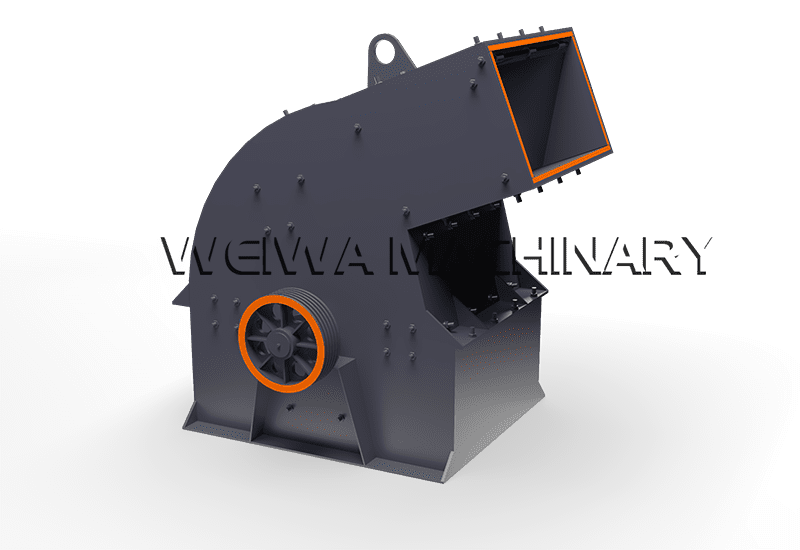

In the world of industrial crushing and material processing, few machines are as versatile and efficient as the hammer crusher. Whether you’re involved in mining, construction, cement production, or chemical manufacturing, understanding how a hammer crusher works and where it fits into your operations is essential for optimizing productivity and reducing costs. At Weiwa Machinery, with over 30 years of experience in manufacturing heavy-duty industrial equipment, we’ve helped countless clients select, install, and maintain the right crushers for their needs — and hammer crushers remain one of our most trusted solutions.
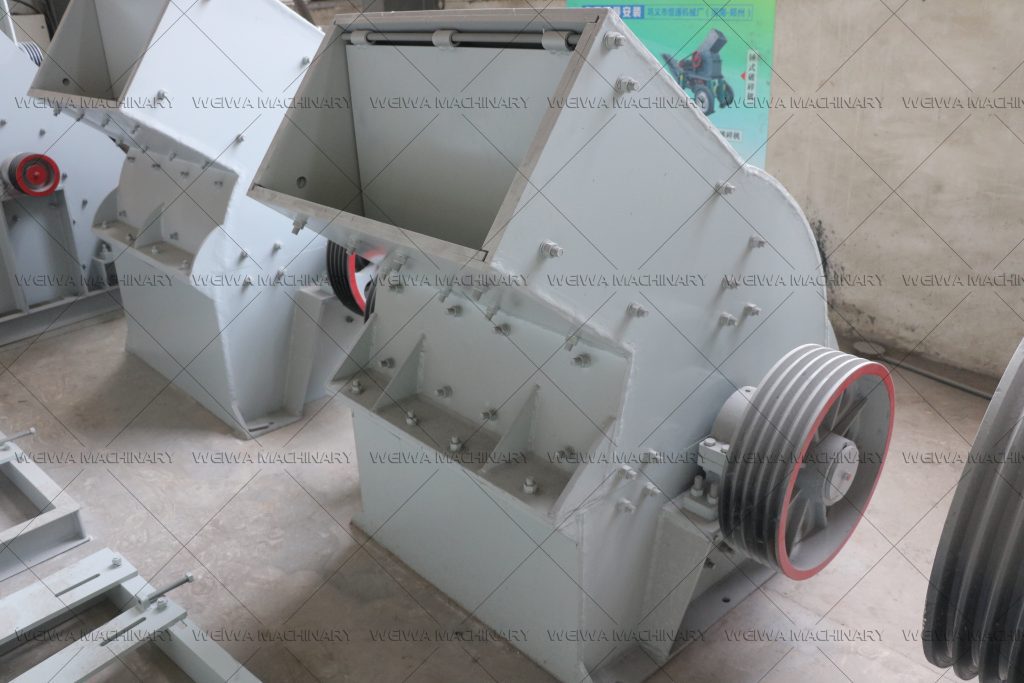
What Is a Hammer Crusher?
A hammer crusher, also known as a hammer mill, is a type of impact crusher that uses high-speed rotating hammers to crush, shred, or pulverize materials into smaller pieces. It is widely recognized for its simplicity, high efficiency, and ability to process a wide range of materials with varying hardness levels.
At its core, a hammer crusher consists of a rotor that carries a series of hammers mounted on swinging arms. As the rotor spins at high speed, the hammers impact the incoming feed material, breaking it apart on contact with the crusher’s internal components or against a stationary breaker plate.
The crushed material then exits through a screen or grate at the bottom, which determines the final particle size based on the gap settings. This mechanism makes hammer crushers particularly effective for producing fine to medium-sized aggregates.
Suitable Materials for Hammer Crushers
Not all materials are created equal, and neither are all crushers. Hammer crushers are specially designed to handle certain types of raw materials based on hardness, moisture content, and abrasiveness.
Ideal Materials for Processing
Hammer crushers excel in crushing soft to medium-hard materials. These include:
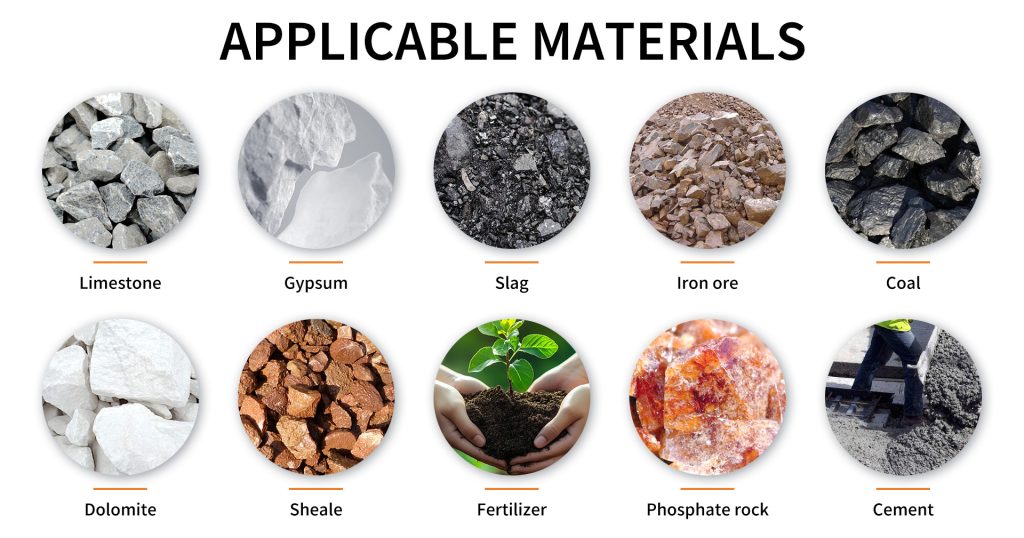
These materials generally share characteristics such as low to moderate compressive strength, low silica content, and minimal moisture. Attempting to crush overly hard, abrasive, or moist materials (like basalt or wet clay) in a hammer crusher can lead to rapid wear and reduced efficiency.
How Does a Hammer Crusher Work?
Understanding the working principle of a hammer crusher helps clarify why it is such a popular choice in many industries.
The Crushing Process
When raw material enters the crushing chamber, it is struck by rapidly moving hammers affixed to a spinning rotor. The force of the impact shatters the material into smaller fragments. These fragments are then thrown against a stationary liner or breaker plate inside the chamber, causing further size reduction through impact and attrition.
The material continues to be crushed until it is small enough to pass through the perforated screen or grate located at the bottom of the chamber. The size of the final product can be adjusted by changing the spacing of these screens or by altering the rotor speed.
This combination of impact, shear, and collision forces allows hammer crushers to achieve high reduction ratios, often reducing materials in a single pass — a significant advantage over other types of crushers that may require multiple stages.
Key Applications of Hammer Crushers
One of the reasons hammer crushers are so widely used is their adaptability to a broad range of industries and materials. Here are some of the most common usage scenarios where hammer crushers prove invaluable:
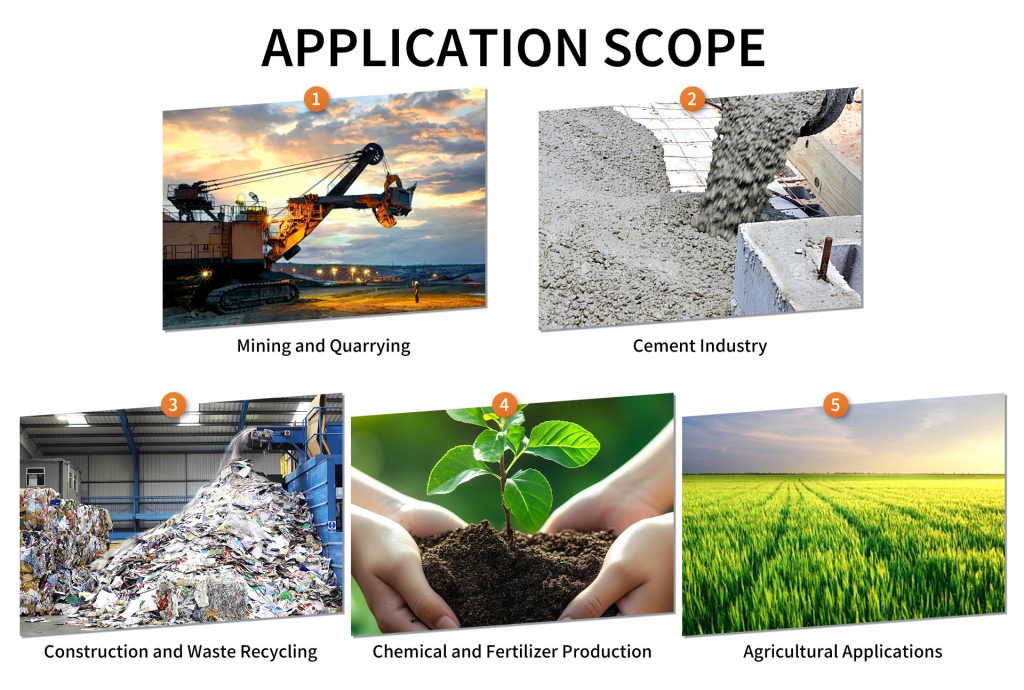
1. Mining and Quarrying
In mining operations, hammer crushers are used to crush medium-hard ores such as coal, limestone, gypsum, and phosphate. Their ability to produce a fine product quickly makes them ideal for preparing feed for ball mills or as part of a multi-stage crushing process.
2. Cement Industry
Cement plants often use hammer crushers to crush raw materials like limestone, shale, and clay. The fine particles produced are essential for the efficient production of cement through subsequent grinding processes.
3. Construction and Demolition Waste Recycling
Hammer crushers are employed to process construction debris such as concrete, asphalt, and bricks. The resulting crushed aggregate can be reused in new construction projects, supporting sustainable building practices.
4. Chemical and Fertilizer Production
Materials like gypsum, limestone, and other chemical intermediates are often reduced in size using hammer crushers to facilitate further chemical processing or pelletizing.
5. Agricultural Applications
In some agricultural settings, hammer crushers are used to pulverize materials like grains, minerals, or fertilizers, ensuring uniform particle size for better mixing and application.
Key Components of a Hammer Crusher
To truly appreciate the functionality and durability of a hammer crusher, it’s important to understand its main components and how they contribute to the crushing process.
1. Rotor Assembly
The rotor is the heart of the hammer crusher. It spins at high speed and carries the hammers that deliver the impact force. Made from high-strength alloy steel, the rotor must withstand significant stress and fatigue during operation.
2. Hammers
The hammers are detachable, swing-mounted arms that strike the incoming material. They are typically made from hardened steel or manganese to resist wear and deliver consistent performance. The size, shape, and number of hammers can be customized based on the application.
3. Crusher Housing (Linings)
The interior of the crusher chamber is lined with wear-resistant materials such as manganese steel or high-chromium alloys. These liners protect the crusher body from abrasion and extend the machine’s service life.
4. Screen or Grate
Located at the bottom of the crushing chamber, the screen determines the maximum size of the crushed material that can exit the crusher. Different screen configurations allow for flexibility in producing various particle sizes.
5. Feed Inlet and Discharge Chute
The feed inlet directs raw material into the crushing chamber, while the discharge chute allows the processed material to exit the machine efficiently. Proper design of these components ensures smooth material flow and reduces blockages.
Common Hammer Crusher Models and Technical Specifications
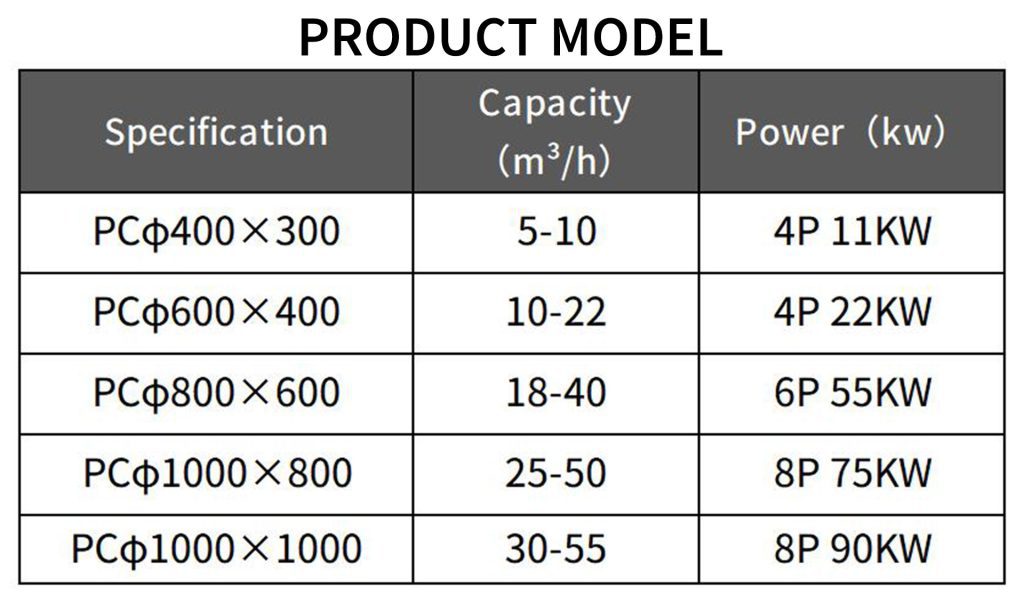
Understanding the available hammer crusher models and their corresponding technical parameters is essential for selecting the right machine that matches your production needs. At Weiwa Machinery, we offer a range of hammer crushers designed to handle different material types, input sizes, and output requirements. Below are some of our most popular hammer crusher models, along with their typical technical specifications:
Advantages of Using a Hammer Crusher
Hammer crushers offer several benefits that make them a preferred choice in many industrial settings:
- High Efficiency and Productivity: Capable of processing large volumes of material quickly, often in a single pass.
- Versatility: Suitable for a wide range of materials with varying hardness and moisture content.
- Compact Design: Generally smaller footprint compared to other types of crushers, making them ideal for space-constrained operations.
- Adjustable Output Size: The final particle size can be easily controlled by adjusting the screen or hammer configuration.
- Lower Operating Costs: Reduced need for multiple crushing stages and minimal maintenance when properly operated.
Factors to Consider When Choosing a Hammer Crusher
Selecting the right hammer crusher for your application involves evaluating several key factors:
1. Material Characteristics
The hardness, moisture content, and abrasiveness of your raw material will influence the type of hammer crusher and wear parts required. For example, abrasive materials may necessitate more durable hammers and liners.
2. Desired Output Size
Your target particle size will determine the appropriate screen size and rotor speed. Fine products may require finer screens or higher impact forces.
3. Production Capacity
Consider the volume of material you need to process per hour. Hammer crushers come in various sizes with different throughput capacities to match your operational needs.
4. Operational Environment
Factors such as the availability of space, power supply, and environmental conditions (e.g., dust control, noise levels) should also be taken into account when selecting and installing a hammer crusher.
Maintenance and Safety Tips
To ensure the longevity and safe operation of your hammer crusher, regular maintenance is crucial. Here are some best practices:
- Routine Inspection: Frequently check hammers, liners, and bearings for signs of wear or damage.
- Proper Lubrication: Ensure all moving parts, especially the rotor and bearings, are adequately lubricated.
- Material Feeding: Avoid overloading the crusher and feed material evenly to prevent imbalances and excessive wear.
- Safety First: Always follow safety protocols when operating or maintaining the crusher. Use appropriate personal protective equipment (PPE) and ensure all safety guards are in place.
At Weiwa Machinery, we provide detailed operation and maintenance manuals with every crusher we sell, along with training and support to help our clients get the most out of their equipment.
Why Choose Weiwa Machinery for Your Hammer Crusher Needs?
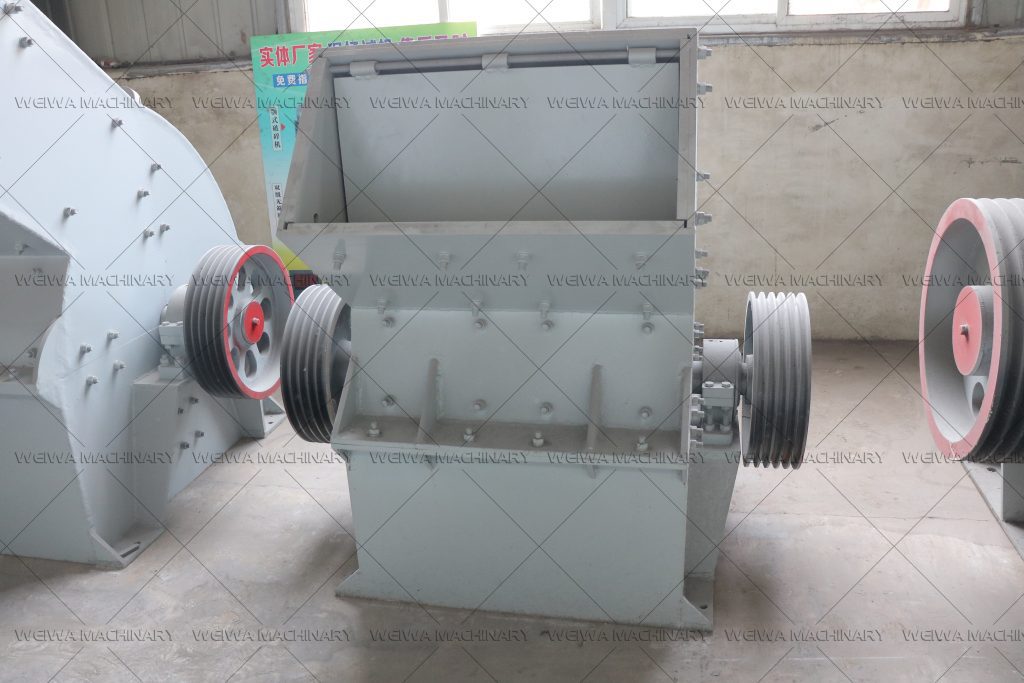
With over three decades of experience in the design, manufacturing, and servicing of industrial crushing equipment, Weiwa Machinery has established itself as a trusted name in the global market. Our commitment to quality, innovation, and customer satisfaction has made us a preferred partner for businesses seeking reliable and efficient crushing solutions.
Here’s what sets us apart:
1. Decades of Expertise
Our team brings more than 30 years of hands-on experience in the industry. We understand the challenges our clients face and design our equipment to meet real-world demands.
2. Customized Solutions
We recognize that no two applications are exactly alike. That’s why we offer customized hammer crushers tailored to your specific material, capacity, and output requirements.
3. Robust and Durable Designs
Our hammer crushers are built with high-quality materials and engineered for durability, even in the toughest operating conditions. We use premium-grade steel and wear-resistant components to ensure long service life and reduced downtime.
4. Comprehensive Support
From initial consultation and equipment selection to installation, training, and after-sales support, Weiwa Machinery is with you every step of the way. Our global service network ensures you have access to expert assistance whenever you need it.
5. Commitment to Sustainability
We design our equipment with energy efficiency and environmental responsibility in mind, helping our clients reduce their carbon footprint while maintaining high productivity.
Conclusion
The hammer crusher is a powerful, versatile, and efficient solution for a wide range of material crushing needs. Whether you’re processing minerals, recycling construction waste, or manufacturing cement, understanding how to select, operate, and maintain a hammer crusher is key to achieving your production goals.
At Weiwa Machinery, we’ve been at the forefront of crushing technology for over 30 years, and we’re proud to offer high-quality hammer crushers that deliver exceptional performance and reliability. Our team of experts is ready to help you find the right solution for your unique needs — because at Weiwa, we don’t just sell equipment; we build partnerships.
If you’re looking for a trusted partner in industrial crushing equipment, look no further than Weiwa Machinery. Contact us today to learn more about our hammer crushers and how we can support your operations with cutting-edge technology and unmatched expertise.