
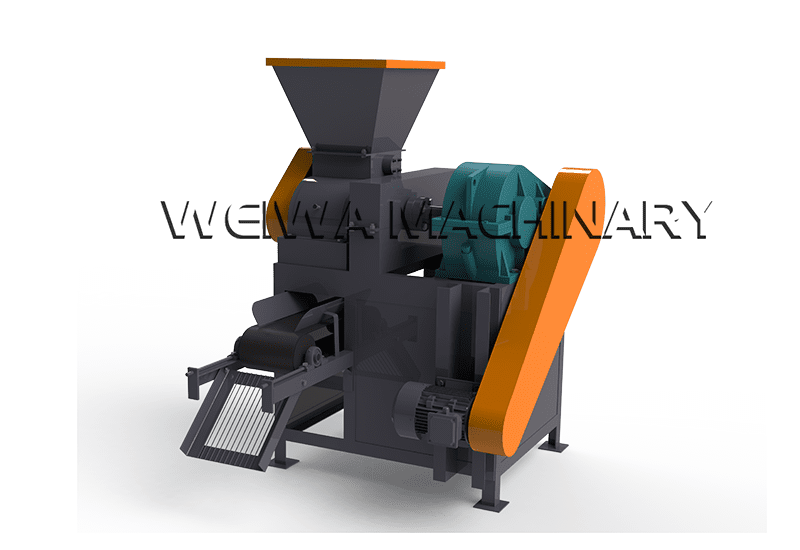

In today’s world, where sustainable energy and efficient resource utilization are more critical than ever, briquette making machines have emerged as a vital piece of equipment across various industries. Whether you’re in the biomass, coal, or metal powder sector, understanding how briquette machines work and their applications can significantly enhance your operational efficiency and environmental responsibility.
At Weiwa Machinery, with over 30 years of experience in manufacturing industrial machinery, we specialize in high-performance briquette making machines that cater to diverse industrial needs.
What is a Briquette Making Machine?
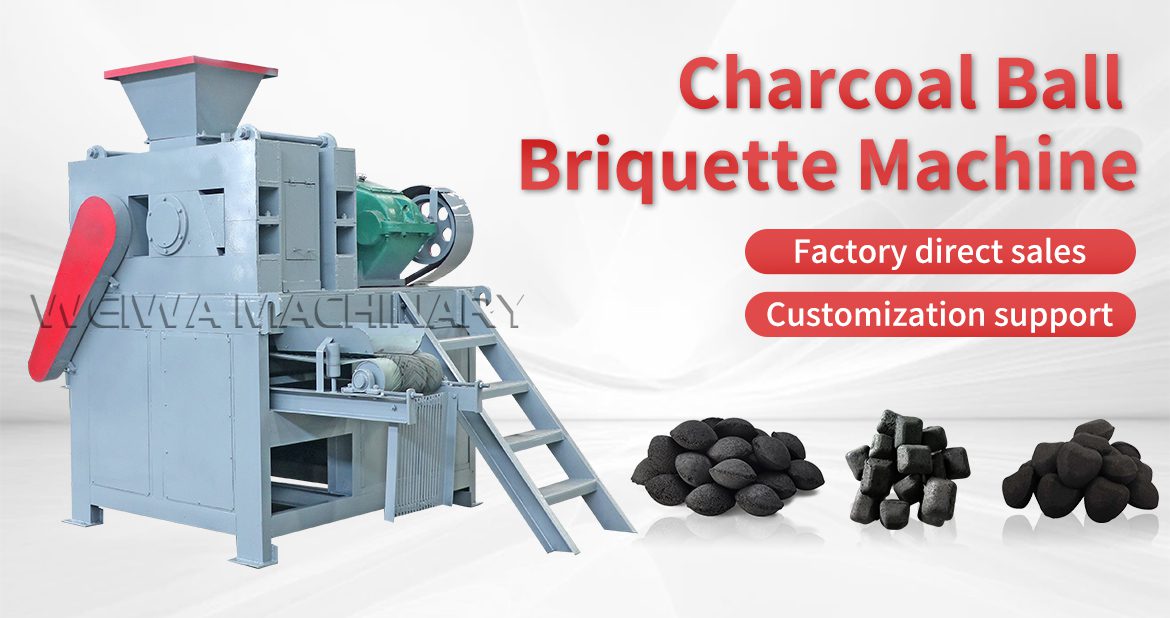
A briquette making machine (also known as a briquetting machine or briquette press) is a mechanical device designed to compress loose materials—such as coal dust, biomass, charcoal, or metal powders—into compact, uniform briquettes. These briquettes are easier to store, transport, and burn efficiently compared to their loose counterparts.
How Does a Briquette Making Machine Work?
The core function of a briquette making machine is to apply high pressure to raw materials, binding them into solid forms without the need for additional chemicals. The process typically involves:
- Material Feeding – Loose raw materials (coal, biomass, etc.) are fed into the machine.
- Compression – The machine uses mechanical force (hydraulic, mechanical, or screw-based) to press the material into a mold.
- Briquette Formation – The compressed material is shaped into briquettes of a specific size and density.
- Ejection – The finished briquettes are ejected, ready for use or further processing.
Key Applications of Briquette Making Machines
Briquette machines are versatile and find applications across multiple industries. Here’s where they are most commonly used:
1. Coal & Charcoal Briquetting
One of the most widespread uses of briquette machines is in the coal and charcoal industry. Loose coal dust or charcoal fines are compressed into dense briquettes, improving combustion efficiency and reducing waste. These briquettes are widely used in households, industrial boilers, and metallurgical processes.
2. Biomass Briquetting
Agricultural waste (such as sawdust, rice husk, and crop stalks) can be converted into biomass briquettes, serving as a renewable energy source. Biomass briquettes are an eco-friendly alternative to fossil fuels, commonly used in heating systems and power generation.
3. Metal Powder Briquetting
In metallurgy, metal scraps and powders (like aluminum, copper, or iron) are briquetted for easier recycling and smelting. This process increases metal recovery rates and reduces production costs.
4. Mining & Mineral Industry
Fine mineral powders (such as iron ore, limestone, or gypsum) are briquetted to improve handling and transportation efficiency.
Types of Briquette Making Machines
Not all briquette machines are the same—different models are designed for specific materials and production needs. Here are the most common types:
1. Mechanical Briquette Press
These use mechanical force (like a screw or roller) to compress materials. They are durable and suitable for high-capacity production.
2. Hydraulic Briquette Press
Hydraulic systems apply immense pressure, making them ideal for dense briquettes (like metal or coal). They are energy-efficient and produce uniform briquettes.
3. Screw Briquette Press
Commonly used for biomass and charcoal, screw presses extrude material through a die, forming continuous or shaped briquettes.
4. Piston Briquette Press
These use a reciprocating piston to compress materials, often used for coal and mineral powders.
At Weiwa Machinery, we offer a range of these machines tailored to different industries, ensuring optimal performance and durability.
Key Considerations When Choosing a Briquette Making Machine
Selecting the right briquette making machine depends on several factors:
- Material Type – Coal, biomass, or metal? Each requires a different compression mechanism.
- Production Capacity – Do you need a small-scale or industrial-grade machine?
- Briquette Size & Shape – Round, square, or custom-shaped briquettes?
- Automation Level – Manual feeding or fully automated systems?
- Energy Efficiency – Hydraulic and screw presses are often more energy-saving.
Our team at Weiwa Machinery helps clients choose the best machine based on their specific needs, ensuring maximum efficiency and ROI.
Why Choose Weiwa Machinery for Your Briquette Making Needs?
With over 30 years of experience in industrial machinery manufacturing, Weiwa Machinery has established itself as a trusted name in briquette press production. Here’s why we stand out:
Proven Expertise – Decades of experience in designing and manufacturing high-performance briquette machines.
Custom Solutions – We tailor machines to your specific material and production requirements.
Durability & Efficiency – Our machines are built to last, ensuring long-term reliability.
Global Reach – Serving clients worldwide with reliable, cost-effective briquetting solutions.
Whether you need a coal briquette machine, biomass briquetting press, or metal powder briquetter, Weiwa Machinery has the right solution for you.
Conclusion
Briquette making machines are essential for industries looking to optimize resource use, reduce waste, and improve energy efficiency. From coal and biomass to metal powders, these machines offer a sustainable and cost-effective way to transform loose materials into valuable briquettes.
At Weiwa Machinery, we’ve been at the forefront of briquette machine manufacturing for over 30 years, delivering reliable, high-quality equipment to clients worldwide. If you’re looking for a dependable briquette making machine supplier, look no further—contact us today to learn how we can enhance your production process.