Why Mexican Industries Are Turning to Two-Stage Crushers?
Mexico’s industrial landscape has undergone remarkable transformation in recent years. From the mineral-rich northern states like Chihuahua and Sonora to the bustling construction hubs of Mexico City and Monterrey, the demand for efficient material processing equipment has never been higher. As industries across Mexico seek to optimize their operations, the two-stage crusher has emerged as a game-changing solution that addresses the unique challenges faced by Mexican businesses.
At Weiwa Machinery, we have spent over three decades perfecting our crushing technologies, and our experience serving clients in Mexico has given us invaluable insights into the specific requirements of this dynamic market. The two-stage crusher represents a paradigm shift in how Mexican companies approach material reduction, offering unprecedented efficiency and versatility that traditional single-stage crushers simply cannot match.
The Mexican mining sector alone contributes significantly to the national economy, with silver production ranking first globally and copper, gold, and zinc extraction playing vital roles. These operations require robust crushing solutions capable of handling everything from massive ore chunks to precise final particle sizes. Similarly, Mexico’s growing infrastructure development, driven by initiatives like the Maya Train and various highway projects, demands reliable construction material processing equipment.
What makes the two-stage crusher particularly appealing to Mexican industries is its ability to combine two critical functions into one streamlined process. Instead of investing in separate primary and secondary crushers, companies can now achieve comprehensive size reduction with a single machine that delivers superior results while reducing operational complexity and costs.
Understanding the Two-Stage Crushing Technology
The fundamental principle behind a two-stage crusher is elegantly simple yet remarkably effective. Unlike conventional crushers that attempt to reduce material size in one pass, the two-stage design divides the crushing workload into two distinct phases within an integrated system. This approach mirrors the natural progression of material reduction, allowing for optimal energy utilization and superior particle control.
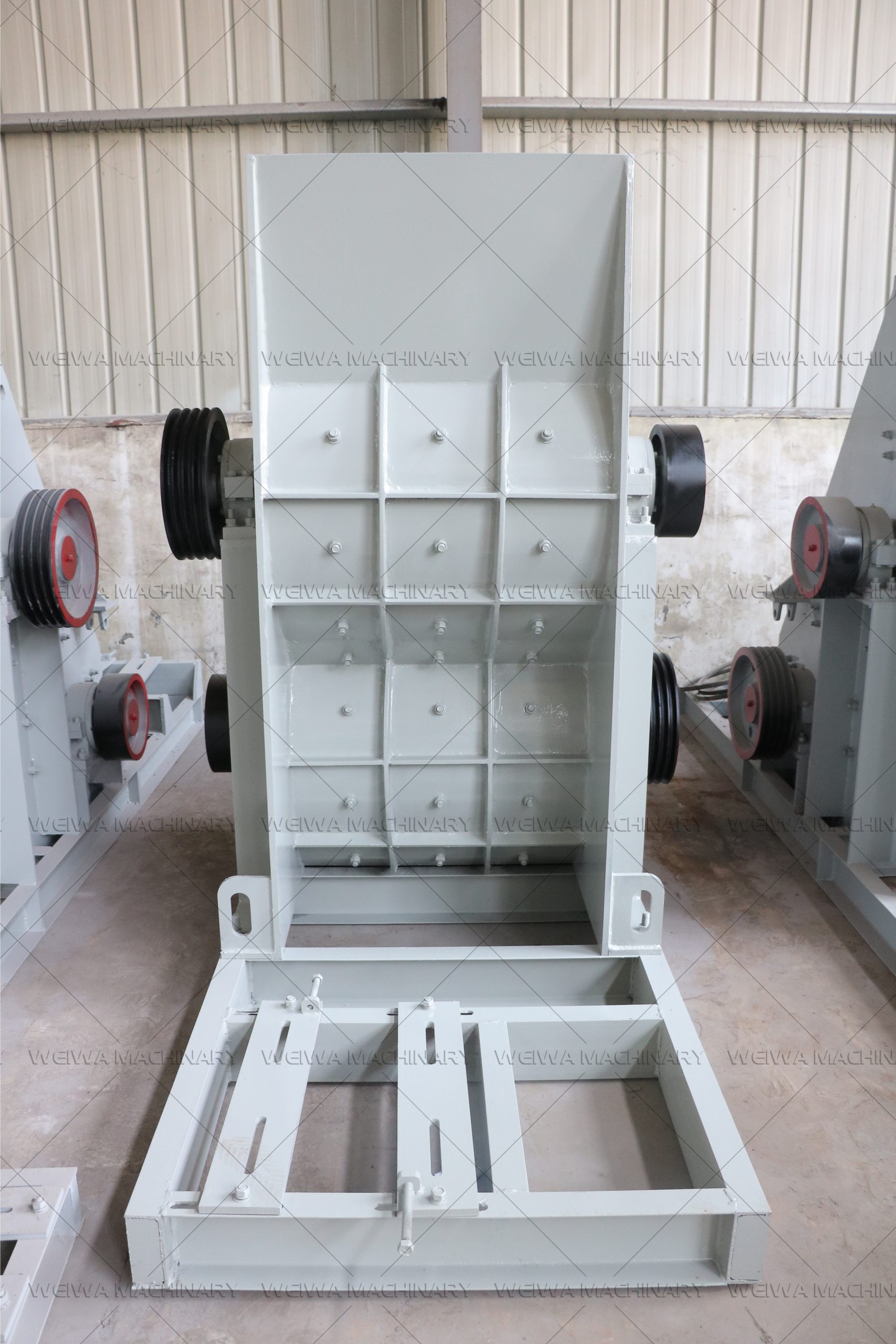
In the first stage, the crusher tackles the initial breakdown of larger materials. Heavy-duty crushing elements, whether hammers, rollers, or specialized impact mechanisms, engage with the incoming feed to reduce oversized chunks into manageable pieces. This preliminary reduction prepares the material for the more refined processing that follows in the second stage.
The second stage then takes over, applying finer crushing forces to achieve the desired final particle size and uniformity. This dual-phase approach offers several inherent advantages. Energy consumption becomes more efficient because each stage operates within its optimal crushing range rather than attempting to accomplish everything at once. Component wear is distributed across both stages, extending the lifespan of critical parts and reducing maintenance frequency.
For Mexican operators dealing with diverse material types, this technology proves particularly valuable. Whether processing hard volcanic rock common in central Mexico, softer limestone prevalent in the Yucatán peninsula, or mixed construction debris from urban renewal projects, the two-stage crusher adapts its performance to deliver consistent results.
The engineering behind modern two-stage crushers incorporates advanced materials science and precision manufacturing. Wear-resistant alloys protect critical surfaces from abrasion, while optimized chamber geometries ensure smooth material flow without bottlenecks. Drive systems provide consistent power delivery, maintaining productivity even when processing challenging feed materials.
Key Applications Across Mexican Industries
Mexico’s diverse industrial base creates numerous opportunities where two-stage crushers demonstrate their value proposition. Understanding these applications helps Mexican business leaders recognize how this technology can transform their specific operations.
Mining Operations in Northern Mexico
The mineral wealth beneath Mexico’s northern states drives a thriving mining industry that demands robust crushing solutions. Silver mines in Zacatecas and Durango, copper operations in Sonora, and gold extraction sites across Chihuahua all require efficient size reduction as the first step in their processing chains.
Two-stage crushers excel in these environments by handling the extreme hardness and abrasiveness of metallic ores. The first stage breaks down run-of-mine material that can exceed one meter in diameter, while the second stage produces consistent feed for ball mills or leaching operations. Mexican mining engineers appreciate how this single machine replaces what previously required multiple crushers, simplifying plant layouts and reducing capital expenditure.
One notable advantage for remote mining locations is the reduced maintenance burden. With fewer machines to service and standardized wear parts, mine operators can maintain higher uptime rates. The two-stage crusher’s robust construction withstands the demanding conditions of Mexican mining camps, where dust, heat, and continuous operation test equipment limits daily.
Construction Aggregate Production
Mexico’s construction boom has created insatiable demand for high-quality aggregates. From the skyscrapers rising in Mexico City to the tourism developments along the Riviera Maya, every project requires precisely graded stone, sand, and gravel.
Two-stage crushers enable aggregate producers to achieve tight particle size distributions essential for meeting construction specifications. The controlled crushing action produces cubical shapes that improve concrete strength and asphalt performance. Operators can adjust settings to produce multiple product grades from the same machine, responding quickly to changing market demands.
The versatility of two-stage crushers also accommodates the variable feed materials common in Mexican quarries. Different geological formations across the country produce stone with varying hardness and fracture characteristics. Rather than requiring separate equipment configurations for each material type, a well-designed two-stage crusher adapts its performance through adjustable parameters.
Construction and Demolition Waste Recycling
Environmental consciousness is growing rapidly across Mexico, driving interest in recycling construction and demolition waste. Major cities generate enormous quantities of concrete, brick, and asphalt debris that traditionally ended up in landfills. Forward-thinking companies now recognize the economic and environmental value of processing this material into reusable aggregates.
Two-stage crushers prove ideal for C&D waste processing due to their ability to handle heterogeneous feed materials. Reinforced concrete, masonry, and mixed demolition rubble enter the crusher and emerge as clean, graded aggregates suitable for road base, fill material, or new concrete production. The dual-stage design effectively liberates reinforcing steel from concrete, facilitating magnetic separation in downstream processes.
Mexican contractors undertaking urban renewal projects benefit from mobile two-stage crusher configurations that can move between job sites. This mobility eliminates transportation costs for waste material while producing usable aggregates on location for immediate reuse in the same project.
Biomass Processing for Renewable Energy
Mexico’s commitment to renewable energy extends beyond solar and wind power. Agricultural residues from corn, sugarcane, and agave production represent abundant biomass resources waiting to be harnessed. Two-stage crushers play a crucial role in preparing these materials for biofuel production or direct combustion.
The first stage handles the initial size reduction of bulky agricultural waste, while the second stage achieves the fine particle sizes required for efficient gasification or pelletization. Unlike some crushing technologies that struggle with fibrous or moist materials, properly configured two-stage crushers maintain consistent performance across varying biomass characteristics.
Agave processors in Jalisco and other tequila-producing regions have discovered that two-stage crushers effectively prepare bagasse for energy recovery. Sugarcane mills in Veracruz use similar technology to process cane trash into fuel for cogeneration plants. These applications demonstrate the remarkable versatility of two-stage crusher technology.
Real-World Performance: Mexico Customer Trial Results
The true measure of any industrial equipment lies in its real-world performance. Weiwa Machinery has conducted extensive trials with Mexican customers across multiple industries, and the results consistently validate the advantages of two-stage crusher technology.
Mining Sector Trial in Zacatecas
A mid-sized silver mine in Zacatecas agreed to trial our two-stage crusher alongside their existing crushing circuit. The objective was straightforward: determine whether the two-stage crusher could match or exceed the throughput of their current primary and secondary crusher combination while improving product quality.
Over a four-week evaluation period, the two-stage crusher processed over 12,000 metric tons of silver ore ranging from surface oxide to deeper sulfide mineralization. The results exceeded expectations. Throughput averaged 18% higher than the existing circuit while producing a finer and more uniform product. The mine’s mill reported improved grinding efficiency when fed with two-stage crusher output, attributing this to the more consistent particle size distribution.
Energy consumption measurements revealed another significant benefit. The two-stage crusher consumed 22% less electricity per ton of material processed compared to the combined consumption of the previous primary and secondary crushers. For a mine operating 24 hours daily, this translates to substantial annual savings in power costs.
Maintenance personnel noted reduced wear on crushing elements during the trial period. The balanced workload distribution between stages meant that neither set of crushing components experienced premature failure. Projections suggested that replacement intervals could extend by 30% or more compared to conventional crushers.
Construction Aggregate Producer in Nuevo León
An aggregate producer supplying materials to Monterrey’s construction market evaluated our two-stage crusher for processing river gravel and crushed limestone. Their existing operation used separate jaw and cone crushers, creating inefficiencies in material handling and requiring significant floor space.
The trial installation demonstrated immediate benefits in operational simplicity. With material flowing through a single machine instead of two separate units, conveyor requirements simplified dramatically. The plant layout became more compact, freeing valuable space for stockpiling finished products.
Product quality improvements were equally impressive. The two-stage crusher produced aggregates with superior shape characteristics, achieving cubicle particle shapes that enhanced concrete workability. Sieve analysis showed tighter gradation curves compared to the previous setup, meaning less variation between production batches.
Operators appreciated the user-friendly controls that allowed quick adjustments between different product specifications. When switching from producing road base material to concrete aggregates, the changeover took minutes rather than hours required for adjusting multiple machines.
Municipal Waste Processing Facility in Mexico State
A forward-thinking waste management company operating near Mexico City tested our two-stage crusher for processing municipal solid waste prior to landfill disposal and material recovery. The challenge involved handling heterogeneous waste streams containing plastics, metals, organics, and bulky items.
The two-stage crusher demonstrated remarkable capability in reducing waste volume while liberating recyclable materials. The first stage broke down large items like furniture and packaging, while the second stage achieved sufficient size reduction for efficient sorting downstream. Magnetic separators and eddy current separators working in conjunction with the crusher achieved higher recovery rates for ferrous and non-ferrous metals.
Volume reduction exceeded 60%, significantly extending landfill life and reducing transportation costs for residual waste. The consistent output size also improved the efficiency of biological treatment processes for organic fractions.
Plant managers highlighted the crusher’s reliability as a key benefit. Despite the challenging nature of municipal waste containing contaminants like textiles and wire, the machine operated continuously with minimal unplanned downtime. Safety features protecting against tramp metal damage proved effective, preventing costly repairs.
Technical Specifications and Customization Options
Weiwa Machinery offers a comprehensive range of two-stage crusher models engineered to meet the specific requirements of Mexican industries. Each model incorporates decades of design refinement and field experience to deliver optimal performance across diverse applications.
Our standard models accommodate feed sizes up to 800 millimeters and produce final products as fine as 5 millimeters, depending on material characteristics and configuration. Throughput capacities range from 50 to 300 tons per hour, covering the needs of small quarries to large mining operations.
Drive options include electric motors for stationary installations and diesel engines for mobile applications. Variable frequency drives provide precise speed control, allowing operators to optimize crushing parameters for different materials. Advanced automation systems monitor key operating parameters and adjust settings automatically to maintain peak performance.
Customization possibilities extend to chamber configurations, crushing element materials, and discharge arrangements. For abrasive materials common in Mexican mining, we recommend chrome-moly alloy hammers and liners that resist wear while maintaining crushing efficiency. For biomass applications, stainless steel components prevent corrosion from organic acids.
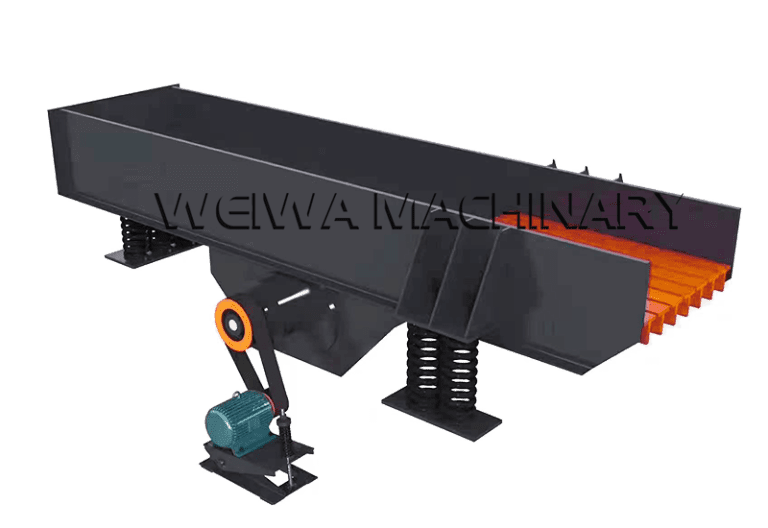
Feed systems can be tailored to specific material handling requirements. Vibrating feeders with grizzly sections remove fines before they enter the crusher, reducing unnecessary wear and improving overall efficiency. Belt feeders provide controlled metering for consistent crusher loading.
Discharge arrangements accommodate various downstream processing configurations. Options include belt conveyors for direct transfer to screens or stockpiles, chutes for gravity feeding to downstream equipment, and surge bins to buffer variations in production rates.
Maintenance Considerations for Long-Term Reliability
Mexican industrial operators understand that equipment reliability directly impacts profitability. Two-stage crushers from Weiwa Machinery are designed with maintenance accessibility as a priority, ensuring that routine servicing can be performed efficiently without extended downtime.
Access doors and inspection ports provide easy visual checks of internal components without requiring complete disassembly. Quick-release mechanisms allow rapid replacement of wear parts, minimizing the time required for scheduled maintenance. Many customers report completing hammer or liner changes in half the time required for comparable equipment.
Lubrication systems feature centralized points that simplify greasing procedures. Automatic lubrication options eliminate the need for manual intervention, ensuring consistent bearing protection even during unattended operation. Oil analysis programs help predict component wear patterns, enabling proactive replacement before failures occur.
Our technical support team maintains close relationships with Mexican customers, providing remote monitoring capabilities that alert both the operator and our service center to potential issues. This proactive approach prevents unexpected breakdowns and maximizes equipment availability.
Training programs ensure that Mexican operators and maintenance personnel fully understand their two-stage crusher systems. Comprehensive documentation in Spanish covers operation procedures, troubleshooting guides, and preventive maintenance schedules. On-site training visits during commissioning establish proper operating habits from day one.
Economic Benefits for Mexican Businesses
The financial case for adopting two-stage crusher technology in Mexico grows stronger as operational data accumulates from successful installations. Beyond the obvious capital savings from replacing multiple machines with one, ongoing operational economies create compelling returns on investment.
Energy efficiency improvements consistently rank among the most significant benefits reported by Mexican customers. The optimized crushing process reduces power consumption per ton by 15 to 25 percent compared to conventional multi-machine setups. For operations running multiple shifts, these savings accumulate rapidly.
Reduced maintenance costs represent another major economic advantage. Fewer machines mean fewer components requiring service, fewer spare parts to inventory, and fewer labor hours devoted to maintenance activities. Extended wear part life further reduces consumable costs.
Labor efficiency improves as operators manage a single machine instead of coordinating multiple crushers. Simplified material handling reduces the number of conveyors and transfer points, lowering both capital and operating expenses. Plant footprint reductions free valuable real estate for other productive uses.
Product quality improvements translate to premium pricing opportunities. Consistent particle size distributions command higher prices in competitive markets, while superior aggregate shapes satisfy demanding specification requirements. Customers producing recycled materials benefit from cleaner, more valuable output streams.
Partnering with Weiwa Machinery for Mexican Success
Mexico’s industrial future depends on efficient, sustainable, and cost-effective material processing solutions. Two-stage crusher technology addresses these requirements comprehensively, delivering performance advantages that translate directly to bottom-line results.
At Weiwa Machinery, our three decades of experience designing and manufacturing crushing equipment have prepared us to serve Mexican industries effectively. We understand the unique challenges posed by local materials, operating conditions, and regulatory requirements. Our engineering team continues developing innovations that keep our customers competitive in global markets.
The success stories emerging from Mexican installations demonstrate the transformative potential of two-stage crusher technology. Mines processing more ore with less energy, quarries producing better aggregates with simpler plants, and recyclers turning waste into valuable resources all testify to the value of this approach.
We invite Mexican businesses seeking crushing solutions to explore what two-stage crusher technology can achieve for their operations. Our team stands ready to discuss specific requirements, arrange equipment demonstrations, and provide detailed proposals tailored to your application.
Contact us today to discover how Weiwa Machinery can support your material processing needs with proven two-stage crusher technology backed by decades of expertise and a commitment to customer success.
About Weiwa Machinery
Weiwa Machinery brings over thirty years of expertise in designing and manufacturing heavy-duty industrial crushing equipment. Based on high quality and perfect after-sales service, our products have been exported to more than 120 countries and regions, becoming the first choice for over 2,000,000 customers worldwide.
Our comprehensive range of two-stage crushers serves industries including mining, construction, recycling, agriculture, and cement production. We offer customized solutions tailored to specific operational requirements, supported by 24/7 customer service, part shipments, and on-site field service technician support.
Explore our services, including the latest price list, installation and maintenance guidance, and operation training programs. Our team is committed to ensuring your equipment operates at peak performance throughout its service life.
Contact Information:
Email: [email protected]
Phone: +86 18439853888