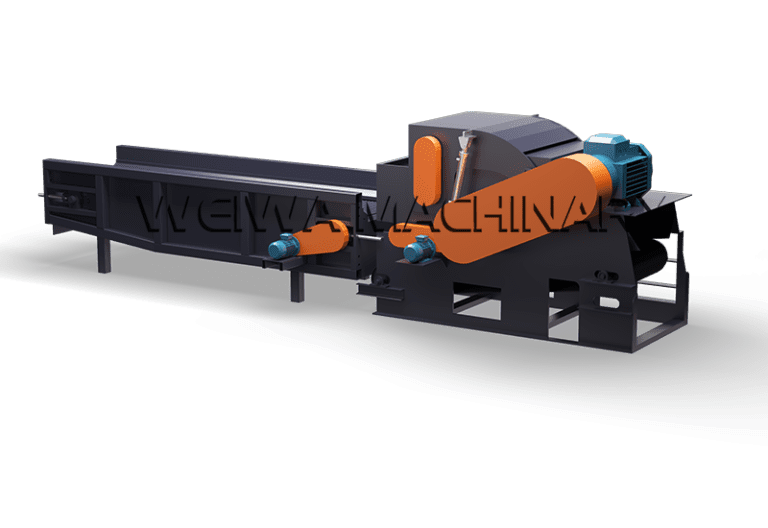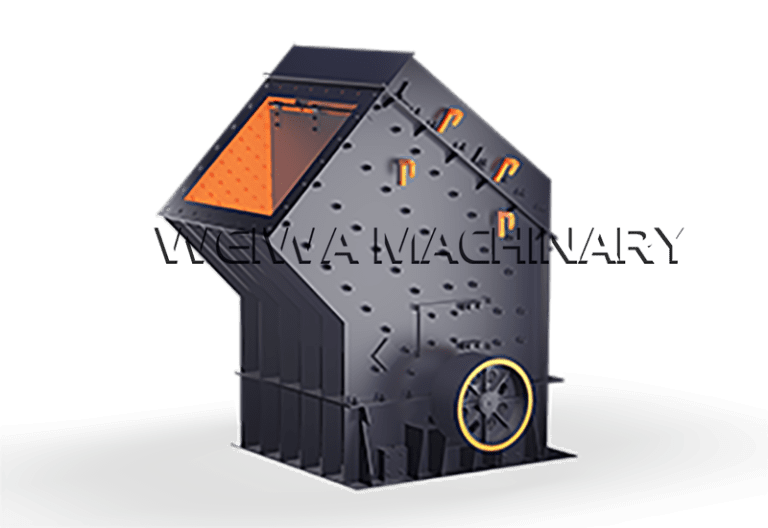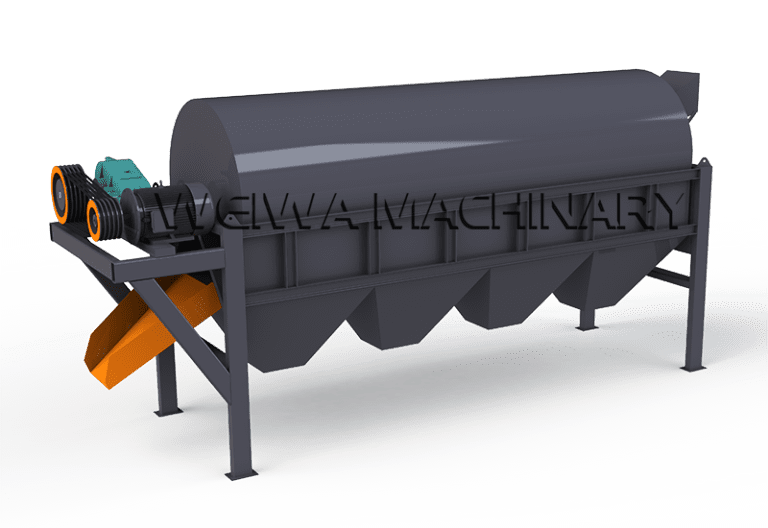
Libya is entering a new phase of infrastructure reconstruction, urban redevelopment, and selective mining exploration across regions such as Tripoli, Benghazi, Misrata, and the southern Saharan belt. For contractors, quarry owners, and waste recycling enterprises in Libya, choosing the right Crusher in Libya is no longer just about breaking rock—it is about energy efficiency, resistance to high-moisture materials, uniform particle shape, and minimized downtime under harsh desert conditions. Over the past decade, the Two-Stage Crusher—also referred to as a double-rotor crusher or two-stage hammer crusher—has emerged as one of the most practical solutions for Libyan applications ranging from limestone aggregate production to construction and demolition (C&D) waste recycling.
At Weiwa Machinery, with more than thirty years of expertise in designing and manufacturing heavy-duty industrial crushing equipment, we have supplied Two-Stage Crusher for Libya projects involving limestone quarrying, gold-bearing ore pre-crushing in the south, and urban rubble recycling in coastal cities.
What Is a Two-Stage Crusher and How Does It Work?
A Two-Stage Crusher is a single integrated crushing unit that performs primary size reduction and secondary fine crushing through two sequentially arranged crushing chambers—or more commonly in modern designs, two coaxial or tandem rotors operating in one housing. The upper rotor delivers high-impact breaking to reduce large feed lumps—often up to 300 mm or more depending on model—into smaller fragments. Those fragments immediately fall into the lower rotor zone where they are struck again at higher linear speed, collided with each other, and ground against liners until the desired discharge granularity is achieved. Most Weiwa Two-Stage Crushers adopt a screenless bottom design, which means there is no sieve grate at the discharge opening. This is critically important in Libya where some materials—especially weathered limestone, clayey ore, or demolition waste—may carry surface moisture or fine sticky fractions that would clog a traditional screen-equipped hammer mill.
The dual-rotor, two-stage crushing principle produces a high reduction ratio in one pass, typically allowing a single machine to replace a jaw crusher plus a secondary impact or hammer crusher, along with the associated conveyors and transfer points. For Libyan operators seeking to reduce plant footprint, lower civil works cost, and simplify maintenance, this consolidated design offers measurable advantages.
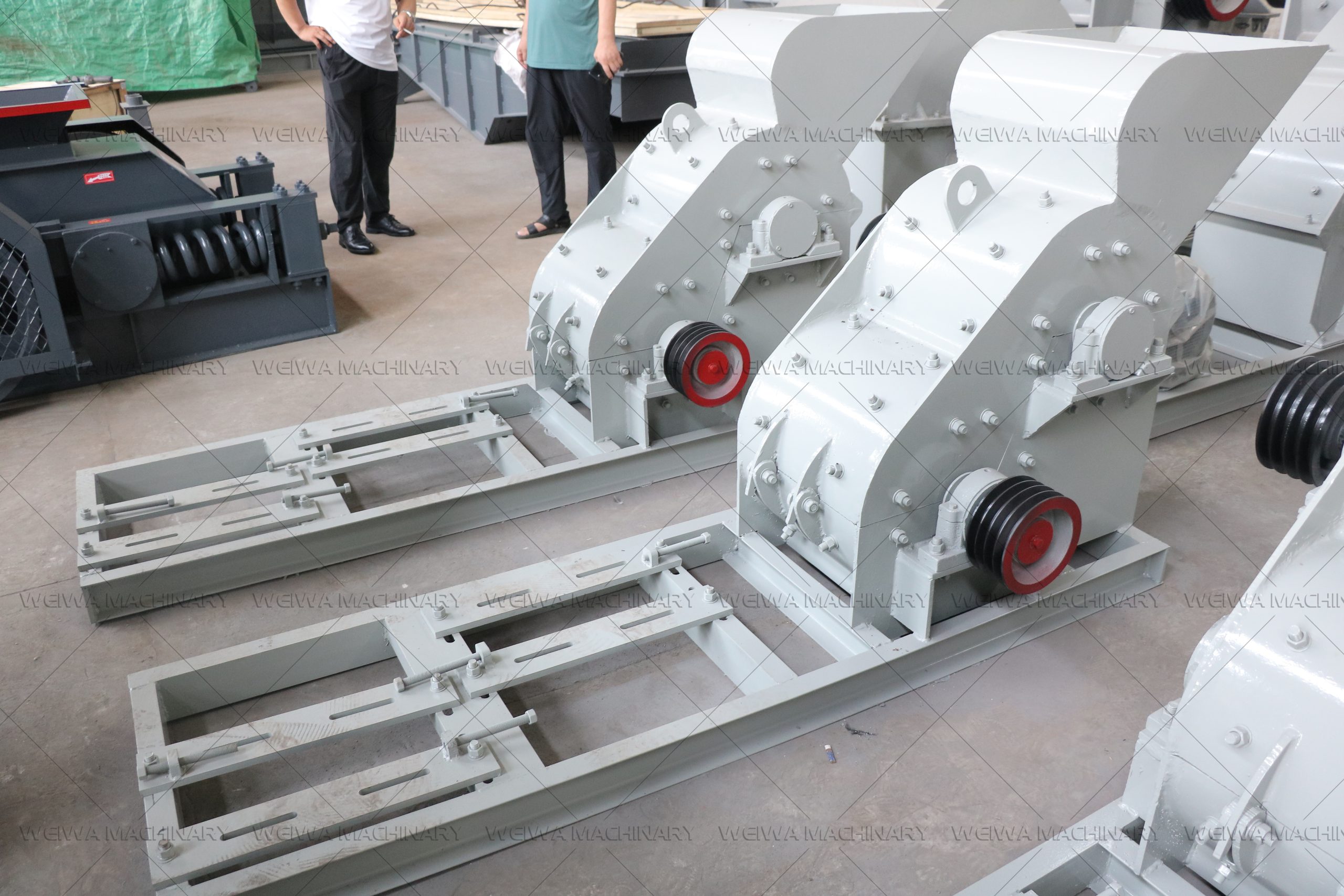
Key Components of Weiwa Two-Stage Crusher
The main assemblies include a reinforced steel housing with hydraulically assisted opening for easy access, two independently driven heavy-duty rotors fitted with high-chromium alloy hammer heads, adjustable impact/apron liners in both crushing zones, a centralized lubrication system, and an electric motor or diesel-electric drive package sized for continuous operation. Wear parts are made from heat-treated high-chromium or manganese steel to withstand abrasive Libyan limestone and moderate iron ore. The gap between rotor and liner in the second stage is adjustable, giving operators control over final product size—usually in the range of 0–5 mm for fine filling material or 5–20 mm for sub-base aggregate—without changing screens.
Why the Libyan Market Needs a Specialized Crusher Solution?
Libya’s post-conflict reconstruction has generated substantial demand for high-quality recycled aggregates from demolished concrete, bricks, and asphalt. At the same time, limestone and dolomite deposits in the northwest and east are being developed to supply road base and ready-mix concrete plants. Gold and copper prospects in the south introduce ore with variable clay content and occasional high moisture after rare but intense rainfall events. These mixed conditions expose the weaknesses of conventional single-stage crushers: screens clog, throughput drops, and wear accelerates unevenly.
A Two-Stage Crusher in Libya overcomes these limitations because:
First, the screenless discharge eliminates blockage when processing high-moisture or clay-bound material—a frequent issue in southern Libya during seasonal weather patterns. Second, the two-phase crushing action yields more uniform particle shape and narrower size distribution, which is essential for modern asphalt and concrete mix designs specified by Libyan road authorities. Third, combining two crushing stages into one unit reduces the number of motors, belts, and transfer conveyors required on site—lowering both capital investment and the probability of mechanical failure in remote locations where spare parts logistics can be slow. Fourth, Weiwa machines are offered with optional diesel-generator drive packages for sites where grid power is unstable or temporarily unavailable—a consideration for field installations in less developed areas of Fezzan and Cyrenaica.
Weiwa Two-Stage Crusher Models Recommended for Libya
Weiwa Machinery provides several Two-Stage Crusher models suitable for different Libyan applications. The 2PC 800×600 model, with a typical capacity of 18–55 t/h, is popular among medium-sized aggregate producers and C&D recycling yards in Tripoli and Benghazi. The 2PC 1000×800 model scales up to 22–90 t/h and is often selected for dedicated limestone quarries feeding regional batching plants. For larger mining pre-crushing duties, the 2PC 1200×1000 offers 30–120 t/h and is equipped with reinforced rotors and upgraded bearings for continuous 24-hour operation. All models can be paired with a vibrating feeder, inlet hopper, and discharge belt conveyor to form a compact crushing station.
Customization Options for Libyan Operating Conditions
For Libyan customers, Weiwa commonly adds desert-grade dust seals, tropicalized electric motors with IP55 protection, and an extended service interval package including extra sets of hammer heads and liner plates shipped with the main order. When requested, we configure the drive for 415 V / 50 Hz or provide a diesel-generator set rated to compensate for voltage fluctuation. Color-coded piping and bilingual operation plates (English/Arabic) are also available to assist local maintenance crews.
Application Scenarios of Two-Stage Crusher in Libya
Limestone Aggregate Production for Road and Building Construction
Libyan readymix concrete plants and government road projects require consistent 5–20 mm and 0–5 mm aggregates. A Weiwa Two-Stage Crusher fed with quarried limestone (feed size up to 250 mm) can directly produce well-graded aggregate in one pass. The second-stage rotor refines elongated particles, reducing the need for a separate shaping machine. Our Libyan clients report that the cubicity of the output meets national specification standards and reduces cement consumption in downstream concrete mixing.
Construction and Demolition Waste Recycling in Urban Centers
Tripoli and Benghazi have seen accelerated clearance of damaged structures, generating large volumes of reinforced concrete, bricks, and asphalt chunks. Feeding this mixed C&D debris into a traditional jaw-plus-impact circuit often causes jamming at the screen deck due to rebar remnants or plaster flakes. The screenless Two-Stage Crusher handles such input smoothly. Reinforcing steel is usually separated upstream by a magnetic pulley on the discharge belt. The crushed output—typically 0–31.5 mm—is reused as sub-base or, after further screening, as recycled fine aggregate. This circular approach helps Libyan contractors reduce landfill fees and imported aggregate dependency.
Ore Pre-Crushing in Southern Libya Mining Sites
In gold and base-metal exploration zones of southwestern Libya, run-of-mine ore may contain weathered clay seams. Single-stage hammer crushers tend to blind under such conditions. The Weiwa Two-Stage Crusher, with its unrestricted bottom discharge and high rotor tip speed in the second chamber, maintains steady throughput even when moisture momentarily rises. Although it is not a substitute for a comminution mill in the grinding circuit, it serves effectively as a primary-secondary crusher ahead of rod or ball mills, improving mill feed consistency and reducing recirculating load.
Field Trial Feedback from Libyan Clients
In early 2025, Weiwa Machinery commissioned a 2PC 1000×800 Two-Stage Crusher at a limestone crushing yard near Misrata. The client had previously used a jaw crusher followed by a spring cone crusher but complained of uneven product size and frequent screen replacement costs. After retrofitting with the Weiwa unit, the plant recorded approximately 30 percent higher effective hourly throughput and noted that the minus-20 mm fraction increased from 62 to 81 percent without changing feed size. Energy consumption per ton was reported to drop by nearly 18 percent due to the elimination of intermediate transfer conveyors and the more efficient impact-crushing mechanics of the dual-rotor system.
Another trial involved a mobile C&D recycling setup in the outskirts of Benghazi processing a blend of broken concrete and red brick. The feed contained pockets of high-plaster-content rubble with localized moisture above eight percent. Competing equipment had suffered periodic screen clogging; the Weiwa Two-Stage Crusher ran continuously for a full shift with only routine bearing temperature monitoring. The site supervisor highlighted the ease of hammer inspection through the hydraulic side door—a feature that allowed his team to complete a full wear-check in under forty minutes, compared to half a day on their former machine.
These real-world results reinforce why more Libyan buyers now specifically search for a Two-Stage Crusher for Libya or ask their consultants for Crusher in Libya选型 recommendations that include double-rotor, screenless designs.
Installation, Commissioning, and After-Sales Support by Weiwa Machinery
Every Weiwa Two-Stage Crusher exported to Libya is accompanied by a comprehensive operation and maintenance manual in English, a full set of foundation drawings, and pre-shipment factory acceptance test (FAT) video. We offer remote commissioning guidance via video call and, when project scale justifies it, dispatch field engineers to Libya for on-site installation supervision, operator training, and trial-run calibration. Our standard after-sales package includes a one-year warranty on main frame and rotors, lifetime technical consultation, and prioritized dispatch of wear parts—hammer heads, liner plates, and coupling bushes—from our Zhengzhou warehouse to minimize downtime for African clients.
Spare Parts and Lead Time for Libyan Customers
Weiwa maintains stock of commonly consumed wear parts for the 2PC 800×600, 1000×800, and 1200×1000 models. For Libyan ports—typically Misrata or Benghazi—transit time from our Chinese facility averages 25 to 35 days by sea, and we assist with documentation including certificate of origin and packing list to smooth customs clearance. For urgent cases, courier shipment of critical small parts (seals, bolts, sensor kits) can be arranged by air freight to Tripoli within 5–7 working days.
How to Choose the Right Two-Stage Crusher Configuration for Your Libya Project?
Selecting the appropriate model starts with three questions. What is your maximum feed lump size and the abrasiveness/moisture range of the material? What is your target hourly capacity and the required top size of the final product? Will the crusher be stationary in a pit or mounted on a mobile chassis for urban C&D recycling? Weiwa engineers review this information and propose a matched rotor diameter, motor power rating, and optional features such as dust suppression nozzles, variable-frequency drive, or diesel drive. We also advise on hopper width, feeder type, and discharge belt speed to ensure the crusher is neither starved nor overloaded—a key factor in achieving the published capacity figures under Libyan site conditions.
If you are currently evaluating suppliers for a Crusher in Libya and considering a Two-Stage Crusher for aggregate production, limestone quarrying, or demolition waste recycling, we encourage you to contact our technical team for a customized proposal including flow sheet suggestion, layout drawing, and a formal quotation.
About Weiwa Machinery
Weiwa Machinery is a global manufacturer of heavy-duty mineral processing and construction equipment, headquartered in Dahuangye Industrial Zone, Gongyi City, Henan Province, China. With over 30 years of manufacturing experience, we design and export Two-Stage Crusher, jaw crushers, impact crushers, ball mills, rotary dryers, and briquetting machines to more than 120 countries across Asia, Africa, Europe, and the Americas. Our equipment is widely used in mining, quarrying, cement, recycling, and agricultural processing lines.
We are committed to providing not only rugged and energy-efficient machinery but also complete flowsheet solutions—including plant layout design, installation supervision, operator training, spare parts supply, and on-site technical support. More than 2,000,000 customers worldwide have chosen Weiwa Machinery as their long-term equipment partner.
Contact our customer service team today:
Email: [email protected]
Phone / WhatsApp: +86 184 3985 3888
Product Page: Weiwa Two-Stage Crusher – Technical Specifications
Weiwa Machinery – Crushing Solutions Built for the World, Trusted in Libya.