For more than three decades, Weiwa Machinery has stood as a trusted partner for industrial operators across North Africa, delivering robust crushing and grinding systems engineered for demanding environments. Among the markets where our technology has delivered measurable value, Tunisia occupies a strategic position. As the country continues to expand its phosphate mining, cement production, and construction aggregate sectors, the demand for reliable, energy-efficient grinding equipment has never been higher. This article explores why the ball mill remains central to Tunisia’s industrial growth, shares real-world trial results from recent deployments, and explains how Weiwa’s engineering approach helps local operators maximize output while controlling operational costs.
Why the Ball Mill Remains Essential in Tunisia’s Industrial Landscape
The Tunisian economy relies heavily on resource-based industries, particularly phosphate extraction in the Gafsa basin and cement manufacturing in the north and coastal regions. These sectors depend on consistent particle size reduction to maintain product quality and process efficiency. While alternative grinding technologies exist, the ball mill continues to dominate because of its adaptability, proven reliability, and cost-effectiveness over long operational cycles.
In Tunisia, ore characteristics vary significantly between deposits. Phosphate ores often contain clay-rich interlayers that challenge grinding circuits, while limestone quarried for cement production exhibits variable abrasiveness depending on geological formation. A properly configured ball mill accommodates these fluctuations without requiring frequent process redesign. For operators managing multiple sites across Tunisia, this flexibility translates into lower capital risk and simplified spare parts management.
Beyond mining and cement, Tunisia’s growing ceramics and construction materials industries increasingly rely on fine grinding to meet export-quality standards. Here too, the ball mill offers unmatched versatility, handling everything from feldspar and quartz to recycled glass and industrial slags. As environmental regulations tighten across the Mediterranean region, the ability to integrate ball mills into closed-circuit systems with dust collection and water recycling further strengthens their relevance in the Tunisian context.
Technical Foundations of High-Performance Ball Mills
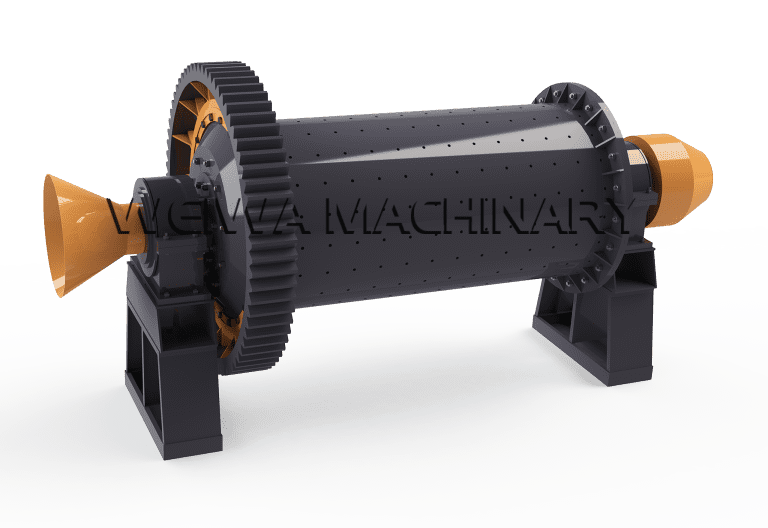
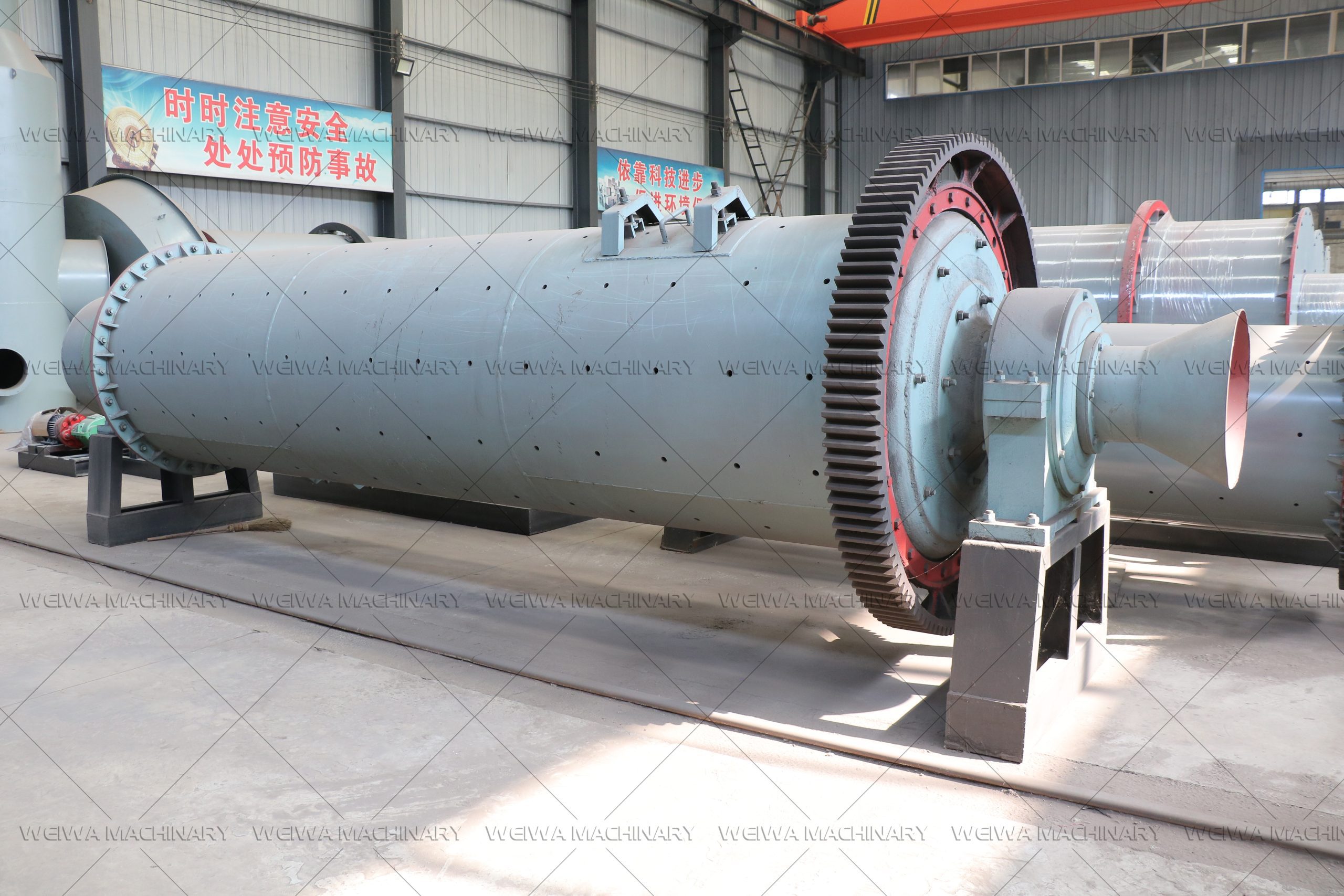
To appreciate why certain ball mills outperform others in Tunisia’s operating conditions, it is important to understand the mechanical principles that govern their efficiency. At its core, a ball mill reduces particle size through a combination of impact and attrition. As the cylindrical shell rotates, grinding media—typically forged steel balls or high-alumina ceramic balls—cascade within the drum, crushing material against the liner and against each other.
The efficiency of this process depends on several interrelated factors. First, the critical speed of the mill determines how the grinding media behave inside the drum. Operating slightly below critical speed ensures the media tumble rather than centrifuge, maximizing impact energy transfer. Second, the size distribution of the grinding media must match the target product fineness. In Tunisia’s phosphate operations, for example, a graded charge combining large balls for coarse breakage and smaller balls for fine grinding typically yields the best balance between throughput and energy consumption.
Liner design also plays a decisive role. In abrasive environments common across Tunisian mining sites, wave-type liners manufactured from high-chromium alloy steels extend service life while promoting optimal lifting of the grinding charge. Weiwa Machinery designs liners specifically for North African operating conditions, incorporating reinforced lifter bars that resist premature wear caused by high-silica ores.
Finally, the drive system must deliver consistent torque under fluctuating loads. Our ball mills destined for Tunisia feature heavy-duty gearboxes with thermal overload protection and variable frequency drives that allow operators to fine-tune rotational speed based on ore hardness or moisture content. This level of controllability proves especially valuable during seasonal changes when material properties shift due to rainfall or temperature variations.
Ball Mill for Tunisia: Real-World Applications Across Key Industries
Mining and Mineral Processing in the Gafsa Region
Tunisia’s phosphate belt, centered around Gafsa and Metlaoui, represents one of the oldest continuously operated mining districts in Africa. Here, ball mills serve as the backbone of beneficiation plants tasked with upgrading run-of-mine ore before shipment to downstream chemical facilities. Recent upgrades undertaken by several Tunisian operators have focused on replacing outdated, single-chamber mills with modern two-chamber designs supplied by Weiwa Machinery.
These newer installations demonstrate clear advantages. By segregating coarse grinding in the first chamber and fine grinding in the second, operators achieve tighter control over particle size distribution. More importantly, the modular design simplifies maintenance, allowing liners and grinding media to be replaced without dismantling the entire drive assembly—a critical benefit in remote locations where downtime directly impacts monthly production targets.
Water conservation remains a priority in southern Tunisia, where mining operations compete with agriculture for scarce freshwater resources. To address this, Weiwa has adapted its ball mill designs to accommodate filtered process water and, in some cases, partial dry grinding configurations. These adaptations not only align with Tunisia’s national water strategy but also reduce operating costs associated with water treatment and disposal.
Cement Production Across Northern and Coastal Tunisia
Tunisia’s cement industry, anchored by major producers such as Carthage Cement and Les Ciments de Bizerte, operates under intense pressure to improve energy efficiency while maintaining clinker quality. Ball mills play a dual role in these plants: grinding raw meal prior to calcination and finishing clinker into commercial cement.
A notable trend among Tunisian cement manufacturers involves retrofitting existing ball mills with high-efficiency classifiers to create hybrid grinding circuits. These systems combine the robustness of traditional ball milling with the precision of modern air classification, resulting in significant reductions in specific power consumption. In one recent project, a Weiwa-supplied ball mill equipped with a dynamic classifier reduced energy usage by approximately fourteen percent while increasing hourly output by nearly nine percent.
Another advantage observed in Tunisia’s coastal plants is the compatibility of ball mills with alternative fuels. As cement producers incorporate refuse-derived fuels and agricultural waste into their kilns, the variability in ash content and combustion residues introduces new challenges for raw mix homogeneity. Ball mills, with their long retention times and thorough mixing action, help stabilize raw meal chemistry despite these fluctuations, ensuring consistent clinker quality.
Ceramics and Construction Materials Manufacturing
Although smaller in scale compared to mining and cement, Tunisia’s ceramics sector—concentrated around Nabeul and Tunis—relies heavily on fine grinding to produce tiles, sanitaryware, and decorative stone products. Here, the emphasis shifts from sheer throughput to extreme fineness and narrow particle size distribution.
Weiwa’s ceramic-grade ball mills address these requirements through precision-engineered porcelain liners and high-purity alumina grinding media that prevent contamination of white-body ceramic slips. Several Tunisian tile manufacturers have reported measurable improvements in glaze adhesion and surface smoothness after switching to these purpose-built mills, enabling them to compete more effectively in European export markets.
In the construction materials segment, ball mills are increasingly deployed to process recycled concrete aggregates and industrial by-products such as fly ash and blast furnace slag. These supplementary cementitious materials not only reduce reliance on imported clinker but also contribute to Tunisia’s sustainability objectives by diverting waste from landfills. The ability of ball mills to handle sticky or hygroscopic materials—provided proper drying systems are integrated—makes them uniquely suited to this emerging application area.
Field Trial Results: Ball Mill Performance in Tunisia
While laboratory simulations provide useful baselines, nothing substitutes for on-site validation under real operating conditions. Over the past eighteen months, Weiwa Machinery conducted extended field trials of two ball mill configurations at partner facilities in central and southern Tunisia. The following observations summarize key findings relevant to local operators considering new investments or upgrades.
At a phosphate beneficiation plant near Redeyef, a Weiwa MQG2740 ball mill was installed alongside an existing older mill to enable comparative evaluation. Over a six-month trial period, the Weiwa unit processed an average of four hundred twenty metric tons per day of run-of-mine phosphate ore with an average Bond Work Index of fifteen kilowatt-hours per ton. Compared to the legacy mill, the Weiwa machine achieved a twelve percent increase in throughput while consuming seven percent less electrical energy per ton of finished product. Maintenance intervals also improved, with scheduled liner inspections extending from three months to five months due to optimized lifter geometry.
A separate trial conducted at a cement grinding facility near Sfax evaluated a closed-circuit ball mill system incorporating a high-efficiency separator. The objective was to assess performance when grinding clinker with varying gypsum content and minor additions of pozzolanic materials sourced locally. Results indicated stable fineness control, with Blaine values consistently maintained within a narrow band of three thousand two hundred to three thousand four hundred square centimeters per gram. Crucially, the system demonstrated resilience against variations in feed moisture, automatically adjusting internal ventilation rates to prevent coating formation on grinding media—a common issue in humid coastal environments.
Feedback from plant personnel highlighted additional benefits not captured by quantitative metrics. Operators appreciated the intuitive control interface, which allowed real-time adjustments to mill speed and feed rate without interrupting production. Maintenance teams noted easier access to internal components, reducing mean time to repair by approximately thirty percent compared to previous equipment. Perhaps most importantly, the consistent product quality enabled by the ball mill supported the plant’s efforts to secure long-term supply contracts with regional construction firms.
Crusher Integration: Optimizing the Entire Comminution Circuit
While much attention focuses on ball mills, their performance is inseparable from upstream crushing operations. In Tunisia, where haul distances between quarries and processing plants can exceed fifty kilometers, efficient primary and secondary crushing directly influences ball mill productivity. Oversized feed forces the ball mill to expend excessive energy on coarse reduction, while excessively fine feed may bypass the mill entirely, wasting grinding capacity.
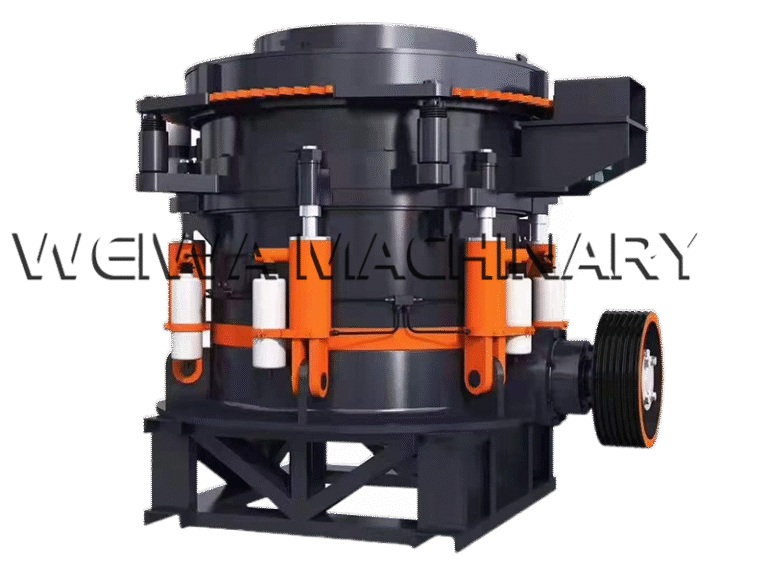
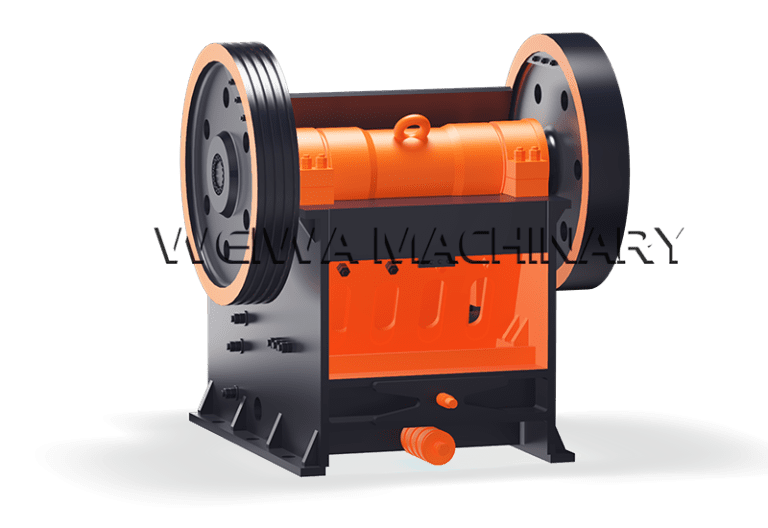
Weiwa Machinery addresses this interdependence by offering integrated crushing and grinding packages tailored to Tunisian geology. Our jaw crushers and cone crushers are engineered to produce a well-graded feed stream that maximizes ball mill efficiency. For phosphate operations, this typically means maintaining a top size of twenty millimeters while ensuring sufficient fines content to promote material flow within the mill. In limestone quarries serving cement plants, closed-side settings are adjusted seasonally to account for changes in rock fracturing patterns caused by temperature fluctuations.
The synergy between crusher and ball mill extends beyond particle size. Modern control systems allow coordinated operation, where adjustments in crusher throughput automatically trigger corresponding changes in mill speed or grinding media charge. Such integration minimizes transient disturbances that often plague standalone installations, leading to smoother overall plant operation. Several Tunisian customers have reported that adopting a holistic approach to comminution—rather than optimizing crushers and ball mills independently—yielded cumulative efficiency gains exceeding twenty percent.
Why Choose Weiwa Machinery for Your Ball Mill in Tunisia?
Selecting the right equipment supplier involves far more than comparing technical specifications. For Tunisian operators, factors such as local service availability, spare parts logistics, and cultural alignment often determine long-term success. Weiwa Machinery has invested heavily in building these capabilities throughout North Africa.
Our engineering team includes French-speaking specialists familiar with Tunisian regulatory requirements and industrial practices. This linguistic and cultural competence streamlines project execution, from initial feasibility studies through commissioning and operator training. Moreover, our regional warehouse in Algiers maintains an inventory of critical spare parts—including liners, bearings, and drive components—ensuring rapid response when unplanned maintenance arises.
Quality assurance represents another pillar of our value proposition. Every ball mill destined for Tunisia undergoes comprehensive factory acceptance testing simulating anticipated operating conditions. Vibration analysis, bearing temperature monitoring, and load trials confirm mechanical integrity before shipment. On-site, our technicians supervise installation and conduct performance validation tests jointly with customer personnel, documenting results in detailed reports that support warranty claims and future optimization initiatives.
Sustainability considerations also differentiate Weiwa in the Tunisian market. Recognizing the country’s vulnerability to climate change, we design ball mills with energy recovery features such as regenerative braking on auxiliary drives and heat exchangers that capture waste thermal energy for ancillary processes. While these enhancements add marginal upfront cost, they typically pay back within two years through reduced utility expenses—a compelling argument for cost-conscious operators.
Looking Ahead: The Future of Ball Milling in Tunisia
As Tunisia pursues economic diversification and industrial modernization, the role of ball mills will continue evolving. Digitalization presents perhaps the most transformative opportunity. Remote monitoring systems capable of tracking vibration signatures, power draw, and product fineness in real time are already being piloted at select Tunisian sites. These technologies enable predictive maintenance strategies that minimize unplanned downtime—a persistent challenge in harsh desert environments.
Another emerging trend involves the use of advanced grinding media materials. While steel balls remain dominant, ceramic media blends are gaining traction in applications where contamination must be avoided or where extreme abrasion resistance is required. Early adopters among Tunisian ceramics manufacturers report extended media life and reduced slurry viscosity, both of which contribute to lower operating costs.
Finally, the circular economy agenda will likely drive increased adoption of ball mills for processing industrial wastes and recycled materials. Tunisia’s ambitious targets for reducing landfill dependence create opportunities for innovative applications, such as grinding waste glass into pozzolanic additives or pulverizing agricultural residues for bio-composite production. Weiwa Machinery is actively collaborating with Tunisian research institutions to develop customized milling solutions for these novel applications.
Ready to Upgrade Your Grinding Circuit in Tunisia?
Whether you operate in phosphate mining, cement production, or advanced ceramics, Weiwa Machinery has the expertise and equipment to enhance your ball mill performance. Contact our North Africa team today to discuss your project requirements and arrange an on-site assessment.
Contact Weiwa Machinery
Email: [email protected]
Phone / WhatsApp: +86 18439853888
Website: https://crushmixplant.com/crusher-machine/ball-mill.html
Address: Dahuangye Industrial Zone, Gongyi City, Henan Province, China
With over 30 years of experience and equipment operating in more than 120 countries, Weiwa Machinery delivers reliable crushing and grinding solutions backed by responsive global support. Our ball mills and crushers are engineered for durability, efficiency, and adaptability—qualities that make them ideal partners for Tunisia’s growing industrial sector.