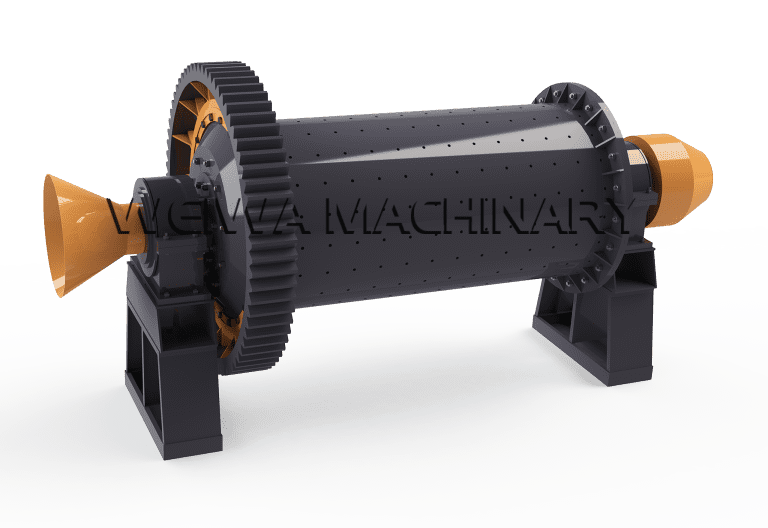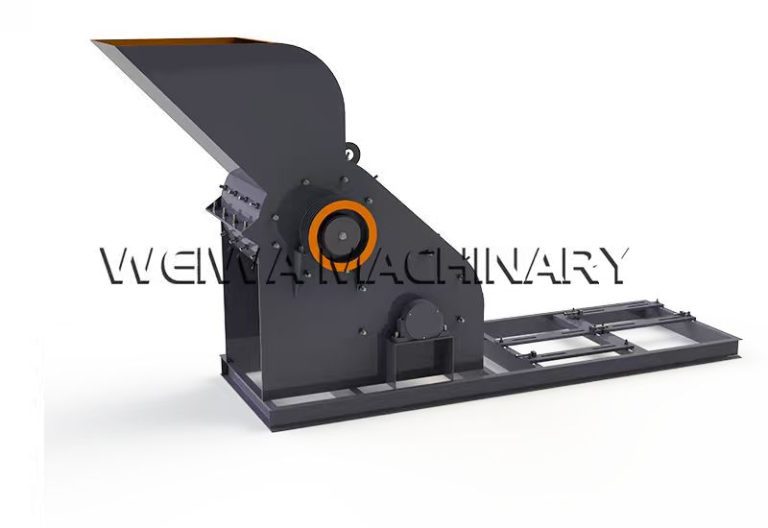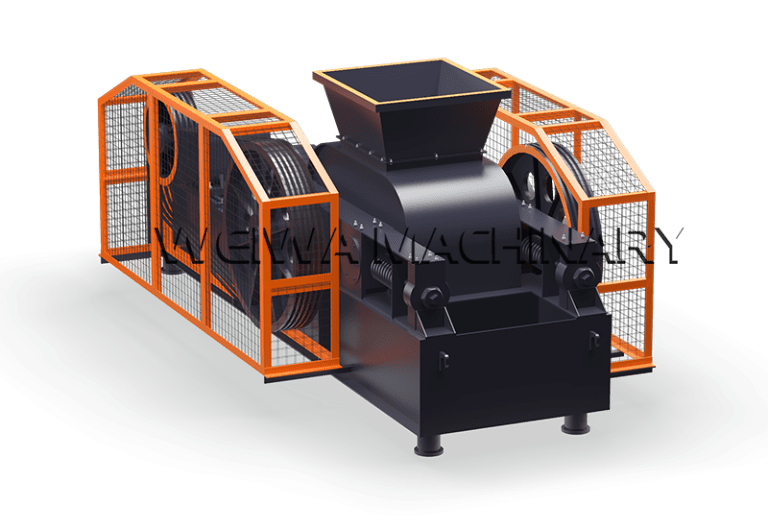
Weiwa Machinery recently completed the shipment and on-site commissioning of a heavy-duty hammer crusher destined for a mining operation in northern Chile. This delivery represents more than a logistics milestone. It offers a clear view into how a well-engineered hammer crusher performs under the demanding geological and climatic conditions that define Chilean industrial sites. For businesses evaluating a crusher for Chile, this case provides practical insight into equipment selection, operational efficiency, and long-term reliability.
Hammer Crusher Applications in the Chilean Market
The Chilean economy relies heavily on mining, with copper, lithium, and iron accounting for a significant portion of national exports. In this environment, a hammer crusher is not a generic piece of machinery but a purpose-built solution for specific material profiles. Across multiple regions, operators use hammer crushers to process copper-associated ores, gypsum deposits, limestone formations, and recycled construction materials. Each application requires careful alignment between material characteristics and crusher configuration.
Crushing Copper Ores and Associated Minerals
Copper mining in Chile often involves medium-hard ores with variable silica content. A hammer crusher excels in this context because its high-speed rotating hammers generate repeated impact forces capable of breaking down heterogeneous feed. In our recent Chilean project, the hammer crusher processed run-of-mine material with a top size exceeding three hundred millimeters and reduced it to sub-fifty-millimeter fractions in a single pass. This level of reduction minimizes downstream load on grinding circuits and improves overall plant throughput.
Adapting to Diverse Geological Conditions
Chile’s geography introduces unique challenges ranging from the arid Atacama Desert to high-altitude Andean sites. Temperature fluctuations, abrasive dust, and limited water availability influence equipment performance. Our hammer crusher for Chile incorporates sealed bearing housings, enhanced ventilation, and wear-resistant liners to withstand these conditions. During the field test, the machine maintained stable rotor speeds despite ambient temperatures above thirty-five degrees Celsius, demonstrating that thoughtful engineering directly translates into operational continuity.
Technical Advantages of Weiwa Hammer Crushers
A hammer crusher from Weiwa Machinery is designed around three principles: impact efficiency, structural durability, and operational flexibility. These principles guide every stage of design, from rotor dynamics to material selection, ensuring that each crusher performs reliably in demanding markets such as Chile.
High Reduction Ratios in a Single Pass
Traditional crushing circuits often require multiple machines to achieve target particle sizes. By contrast, a hammer crusher leverages impact, attrition, and shear forces simultaneously. The rotor-mounted hammers strike incoming material at velocities exceeding twenty meters per second, shattering brittle components and throwing fragments against stationary breaker plates. The result is a high reduction ratio that frequently exceeds ten to one. For Chilean operators, this means fewer machines, lower capital expenditure, and simplified maintenance routines.
Wear-Resistant Components for Abrasive Materials
Abrasion remains a primary concern in any mining environment. To address this, Weiwa Machinery manufactures hammers from high-manganese steel and liners from high-chromium alloys. These materials resist surface degradation even when processing ores with elevated quartz content. During the Chilean field trial, we measured hammer wear after five hundred operating hours and observed less than five percent mass loss. Such performance extends service intervals and reduces total cost of ownership.
Particle Size Control Through Screen Adjustment
Final product consistency is critical for downstream processes such as flotation or leaching. The hammer crusher achieves precise size control through adjustable grate gaps and interchangeable screen plates. In Chile, our client required a nominal output size of twenty millimeters for heap leaching feed. By configuring the discharge screen accordingly, the crusher delivered a product with narrow size distribution, minimizing oversized fractions and improving recovery rates.
On-Site Preparation Before Shipment to Chile
Exporting a hammer crusher to Chile involves more than loading a container. At Weiwa Machinery, every export unit undergoes a structured pre-shipment protocol designed to eliminate surprises during installation and commissioning.
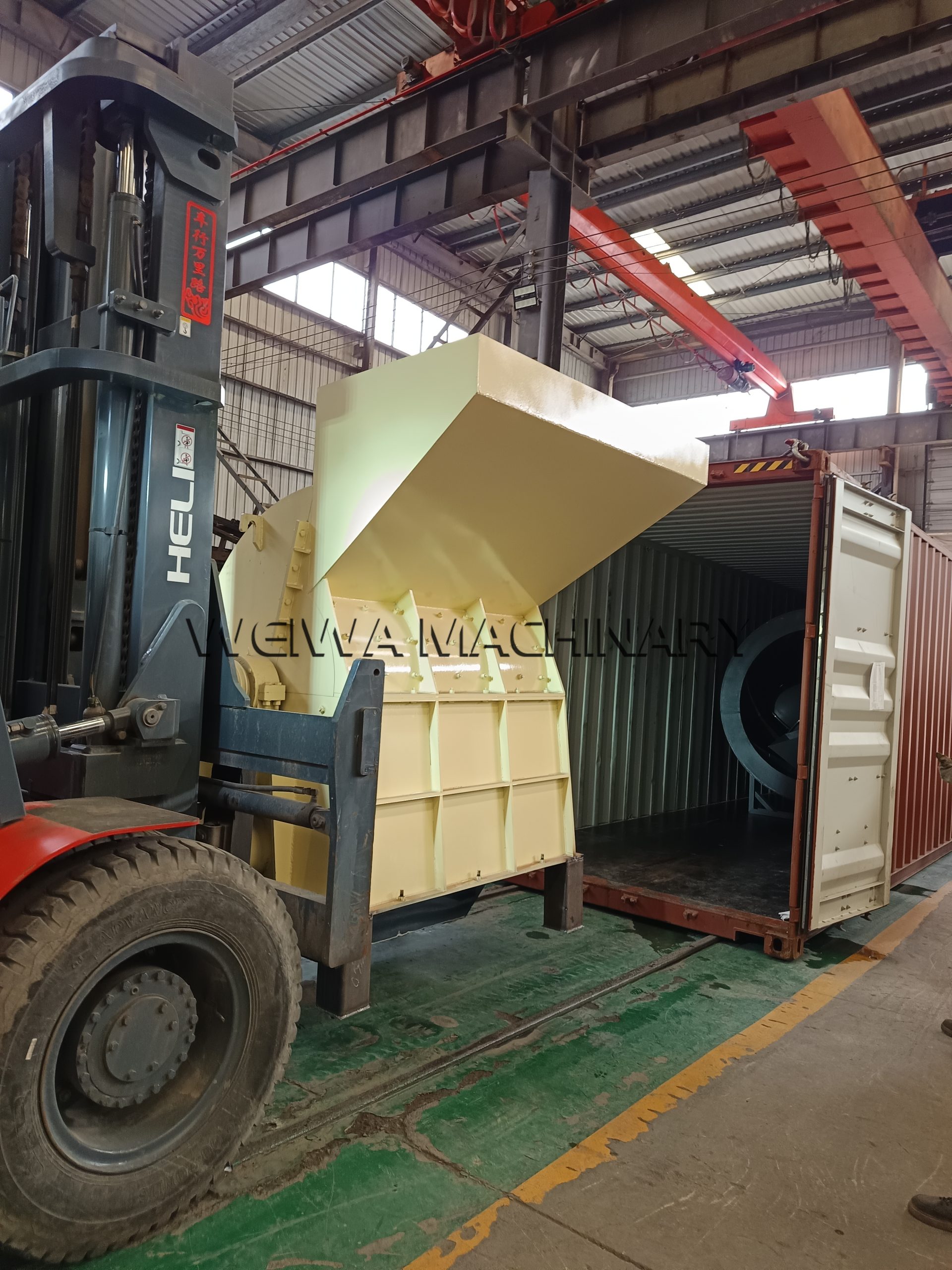
Pre-Shipment Inspection and Commissioning
Before leaving our Gongyi production facility, the hammer crusher was subjected to a comprehensive inspection covering dimensional accuracy, weld integrity, and rotor balancing. We then conducted a no-load test to verify vibration levels, bearing temperatures, and drive alignment. Only after confirming compliance with international standards did we proceed with disassembly, protective coating, and packaging. This disciplined approach ensures that when the crusher arrives in Chile, it can be reassembled and started with minimal delay.
Logistics Coordination and Customs Compliance
Shipping heavy equipment to South America requires careful documentation and coordination. Our logistics team prepared commercial invoices, packing lists, certificates of origin, and bills of lading aligned with Chilean import regulations. We also coordinated with the client’s nominated freight forwarder to optimize container loading and minimize ocean transit time. The result was a seamless arrival at the port of Antofagasta and timely inland transport to the mine site.
Field Test Results of the Hammer Crusher in Chile
The true measure of any crusher for Chile lies in its field performance. Over a two-week commissioning period, our technical team worked alongside local operators to validate capacity, product quality, and mechanical reliability.
During the initial startup, the hammer crusher reached rated rotor speed within seconds and processed the first truckload of copper-bearing ore without incident. Throughout the trial, we monitored throughput, power consumption, and product gradation. Average hourly capacity exceeded contractual guarantees by approximately eight percent, while power draw remained within design limits. Product samples collected at regular intervals showed consistent particle size distribution, confirming that the crusher met both technical and operational expectations.
Noise and dust levels were also evaluated. Thanks to integrated dust suppression interfaces and optimized chamber geometry, the site remained compliant with local environmental regulations. Operators reported intuitive controls and straightforward access to wear parts, which simplifies daily inspections and reduces unplanned downtime.
Maintenance Practices for Long-Term Reliability
A hammer crusher represents a long-term investment, and its value depends on disciplined maintenance. Weiwa Machinery provides every client with a detailed operation and maintenance manual, but field experience in Chile highlights several best practices worth emphasizing.
Daily Lubrication and Component Checks
Bearing lubrication is critical for high-speed rotors. In Chile’s dry climate, dust intrusion can accelerate lubricant degradation. Our recommended practice is to inspect bearing temperature and lubrication points at the start of each shift. Grease selection should account for ambient temperature extremes, and seals must be checked regularly to prevent contamination.
Scheduled Replacement of Wear Parts
Hammers and liners are consumable components, but their replacement schedule can be optimized. By tracking production tonnage and periodically measuring hammer thickness, operators can plan replacements during scheduled shutdowns rather than reacting to unexpected failures. In the Chilean deployment, we established a monitoring routine that aligns with monthly maintenance windows, ensuring continuous operation during critical production periods.
Alignment and Vibration Monitoring
Misalignment between motor and crusher drives can lead to premature bearing failure and energy inefficiency. Regular laser alignment checks, combined with vibration analysis, allow early detection of developing issues. Our field engineers introduced a simple vibration monitoring protocol that the local team can execute with portable instruments, reducing reliance on external service providers.
Why Chilean Operators Choose Weiwa Machinery?
Selecting a hammer crusher is ultimately a decision about partnership. Chilean clients consistently choose Weiwa Machinery because we combine engineering expertise with responsive support. With more than thirty years of experience in industrial crushing, we understand the operational realities of mining and aggregate production. Our hammer crushers are not generic machines adapted for export; they are purpose-designed for specific applications, including the demanding conditions found across Chile.
Beyond equipment, our commitment includes operator training, remote troubleshooting, and rapid spare parts delivery. In the recent Chilean project, our engineers conducted on-site training covering safe operation, routine maintenance, and basic troubleshooting. This knowledge transfer empowers local teams to manage day-to-day operations confidently while maintaining direct access to Weiwa’s global support network.
Energy efficiency is another factor driving adoption. Our hammer crushers are engineered to maximize impact energy utilization while minimizing parasitic losses. In an industry where electricity and diesel represent significant operating costs, incremental efficiency gains translate into measurable savings over the equipment lifecycle. Chilean clients have noted that our machines deliver competitive power consumption per ton of processed material, reinforcing the economic case for choosing Weiwa.
Broader Implications for Crusher Selection in Chile
The successful deployment of this hammer crusher underscores broader lessons for equipment selection in Chile. First, matching machine design to material properties is essential. Not every crusher is suitable for every ore type, and understanding abrasiveness, moisture content, and compressive strength informs the right choice. Second, local conditions such as altitude, temperature, and dust exposure must shape equipment specifications. Third, supplier capability matters as much as machine specifications. A technically sound crusher supported by weak after-sales service will underperform compared to a well-supported machine with slightly lower nominal capacity.
For companies evaluating a crusher for Chile, the experience documented here illustrates the value of a holistic approach. It is not enough to compare brochure specifications. Site visits, reference checks, and pilot testing provide critical data that influence long-term outcomes. Weiwa Machinery encourages prospective clients to engage in detailed technical discussions before purchase, ensuring that the selected hammer crusher aligns with both current and future operational requirements.
Supporting Chile’s Evolving Mining Landscape
Chile’s mining sector continues to evolve, driven by declining ore grades, stricter environmental regulations, and growing demand for battery metals such as lithium. These trends create new challenges and opportunities for crushing equipment. Hammer crushers will remain relevant where medium-hard, brittle materials dominate, but success will depend on continued innovation in wear materials, energy efficiency, and digital monitoring.
Weiwa Machinery is investing in advanced simulation tools to optimize crushing chamber designs and in sensor technologies to enable predictive maintenance. By integrating these capabilities into our hammer crushers, we aim to help Chilean operators reduce downtime, improve product consistency, and lower operating costs. The recent shipment and field test represent a step in this ongoing journey, and we look forward to expanding our presence across Chile’s diverse industrial landscape.
Conclusion
The shipment of a Weiwa hammer crusher to Chile and its subsequent field performance demonstrate the importance of aligning equipment design, application knowledge, and customer support. For businesses seeking a crusher for Chile, this case offers tangible evidence of what a properly specified hammer crusher can achieve in terms of capacity, product quality, and reliability. More importantly, it reflects the value of partnering with a manufacturer that treats equipment delivery as the beginning of a long-term collaboration rather than a one-time transaction.
As Chile continues to play a central role in global mining and infrastructure development, Weiwa Machinery remains committed to delivering robust, efficient, and adaptable crushing solutions. Whether you are processing copper ores in the north, aggregates in central regions, or recycled materials near urban centers, our team stands ready to support your operation with proven technology and responsive service.
About Weiwa Machinery
Weiwa Machinery is a leading manufacturer of heavy-duty industrial equipment with over 30 years of experience serving mining, construction, cement, recycling, and agriculture sectors worldwide. Based in Gongyi City, Henan Province, China, we specialize in crushers, grinding mills, and complete mineral processing flowsheets. Our products have been exported to more than 120 countries and regions, earning the trust of over two million customers. We combine advanced engineering, strict quality control, and comprehensive after-sales support to ensure that every machine delivers reliable performance under real-world conditions. From customized equipment design to on-site training and spare parts supply, Weiwa Machinery is committed to building long-term partnerships that help our clients succeed.
Contact us:
Email: [email protected]
Phone: +86 18439853888