In today’s industrial manufacturing landscape, sustainable energy equipment such as the ball charcoal briquettes machine has become increasingly vital for factories and biomass processors worldwide. At Weiwa Machinery, we recently completed a comprehensive factory trial and on-site verification for a client based in Peru who is planning to scale up operations by making charcoal balls in Peru.
Factory Trial Run of Ball Charcoal Briquettes Machine Before Shipment to Peru
Every ball charcoal briquettes machine leaving Weiwa Machinery undergoes a strict pre-delivery trial run. For this Peru project, the client required a high-capacity charcoal ball press machine capable of processing fine charcoal powder mixed with natural binders. The trial began with raw material preparation inside our workshop, where crushed charcoal particles under 3 mm were conditioned to an optimal moisture level between 8% and 12%. This step is critical because inconsistent moisture directly affects the forming rate of the charcoal briquette machine.
During the trial, our engineers activated the forced screw feeder to simulate continuous feeding conditions similar to real production in Peru. The ball charcoal briquettes machine operated for more than eight hours without interruption, producing uniformly dense spherical briquettes with diameters ranging from 30 mm to 50 mm depending on the roller mold configuration. We recorded roller pressure, hydraulic system temperature, reducer stability, and scraper blade performance. A short video of the trial run was filmed from multiple angles to demonstrate the smooth ejection of balls, low noise operation, and dust control efficiency. This video will be embedded later in this article to help readers visually understand the performance of the charcoal ball press machine under load.
The Peru client participated in the trial remotely via live stream and confirmed that the output size, surface smoothness, and ball hardness met their local market requirements for BBQ and industrial heating fuel. Our quality team then disassembled key components for final inspection, re-tightened all fasteners, and prepared the charcoal briquette machine for anti-rust coating and container loading. Spare parts such as roller sleeves, bearings, and scraper blades proportional to the first year of operation were packed together to minimize downtime after arrival in Peru.
On-Site Potential of Making Charcoal Balls in Peru
Peru is rich in agricultural and forestry biomass residues including sawdust, rice husks, coffee shells, and wood scraps from furniture manufacturing. These materials are ideal feedstock for making charcoal balls in Peru using a charcoal ball press machine. In recent years, environmental policies and rising demand for clean cooking fuel have pushed local entrepreneurs to move away from traditional open-pit charcoal burning toward mechanized briquetting solutions. This transition creates a strong foundation for the ball charcoal briquettes machine market across regions such as Lima, Arequipa, Cusco, and Trujillo.
The economic logic behind making charcoal balls in Peru is straightforward. Low-cost biomass waste can be carbonized and compressed into high-density briquettes that sell at a stable price in both domestic retail and wholesale channels. With a properly configured charcoal briquette machine line, producers can achieve consistent quality that competes with imported fuel products. Neighboring markets such as Chile, Colombia, Ecuador, and Bolivia also present export opportunities once Peruvian factories reach medium-scale capacity. Our charcoal ball press machine models are designed to handle not only charcoal but also coal powder, oxide scales, and mineral fines, giving Peruvian investors flexibility to diversify in the future.
Another factor supporting the growth of making charcoal balls in Peru is electricity and voltage adaptability. Weiwa Machinery supplies motors compatible with 220V, 380V, and 415V at 50Hz or 60Hz, which covers most industrial zones in Peru. The compact footprint of our ball charcoal briquettes machine also suits small to mid-sized workshops where space is limited. When combined with a mesh belt dryer or rotary dryer adapted to local fuel availability, the overall production cost remains competitive. Many clients we advise choose a 1–2 ton per hour charcoal briquette machine line as their entry point, balancing investment and market uptake while leaving room for expansion.
Scientific Principles Behind Charcoal Ball Press Machine and Briquette Forming
To appreciate why a high-quality charcoal ball press machine matters, it is necessary to understand the agglomeration mechanics involved in making charcoal balls. The core working unit of a ball charcoal briquettes machine is the double-roller system. Two large rollers rotate synchronously in opposite directions, each engraved with hemispherical or custom-shaped molds. As the material enters the gap between rollers, pressure increases gradually and reaches its peak at the centerline where the molds close completely. Under this pressure, usually ranging from 20 MPa to over 30 MPa depending on configuration, the charcoal particles undergo plastic deformation and natural lignin or added binder forms intermolecular bonds that solidify the shape.
The charcoal briquette machine relies on precise roller gap control and hydraulic compensation to maintain uniform ball density. If the gap is too wide, balls will be loose or laminated; if too narrow, rollers may overstress and wear prematurely. Our ball charcoal briquettes machine uses a hydraulic adjusting system that automatically compensates for roller sleeve wear, ensuring stable performance over long production cycles in Peru or other export destinations. The forced screw feeder prevents bridging in the hopper and guarantees steady material flow, which is essential when making charcoal balls with varying particle size distribution.
After ejection, freshly pressed balls still contain residual moisture and must be dried before packaging. In Peru, some producers use paved yards for sun drying, but industrial users typically install mesh belt dryers or rotary dryers to control moisture below 5% regardless of weather. Proper drying determines the final compressive strength and shelf life of the product. A well-integrated charcoal ball press machine line therefore includes crushing, mixing, conveying, pressing, drying, cooling, and screening units, all synchronized to avoid bottlenecks. Weiwa Machinery provides complete layout drawings so that customers planning making charcoal balls in Peru can prepare foundations, power supply, and material flow paths before equipment arrival.
Components of a Complete Charcoal Briquette Machine Production Line
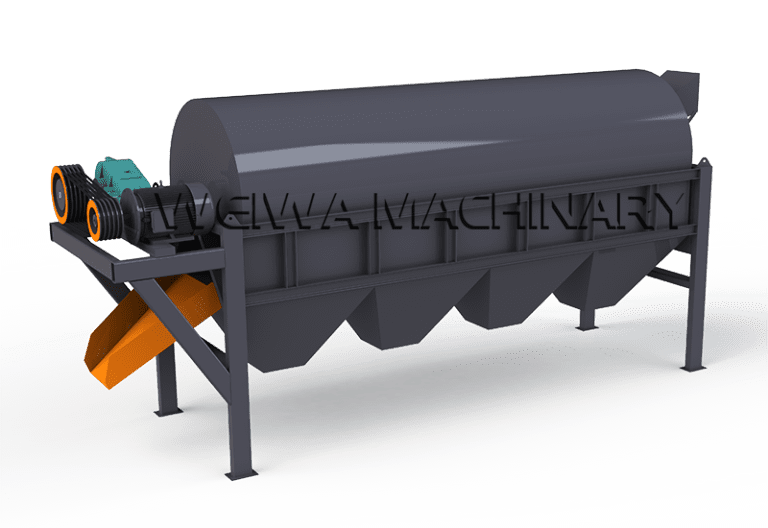
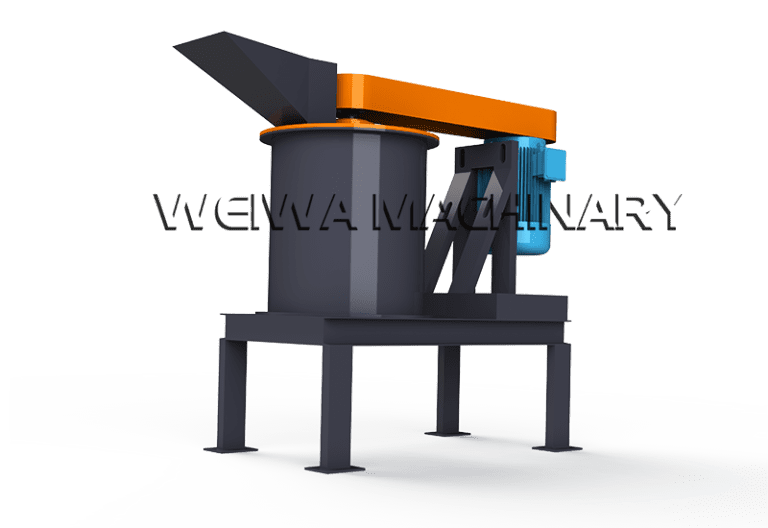
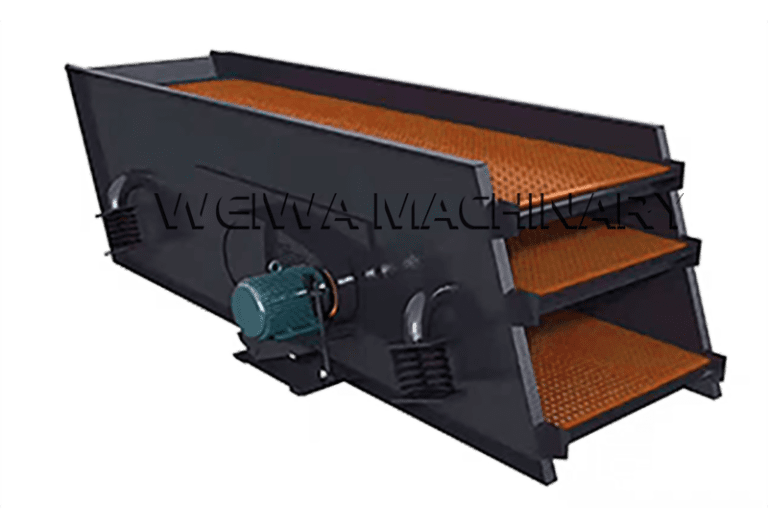
A single charcoal ball press machine cannot deliver optimal results without upstream and downstream support. The first stage is crushing and sieving. Oversized charcoal lumps are reduced by a hammer crusher or jaw crusher and passed through vibrating screens to ensure uniform fineness. Inconsistent particle size leads to poor binder absorption and weak balls from the ball charcoal briquettes machine. The second stage is mixing and conditioning. A twin-shaft mixer blends charcoal powder with water and binders such as starch paste, molasses, or clay slurry. Even distribution of moisture and binder is crucial before the material enters the charcoal briquette machine.
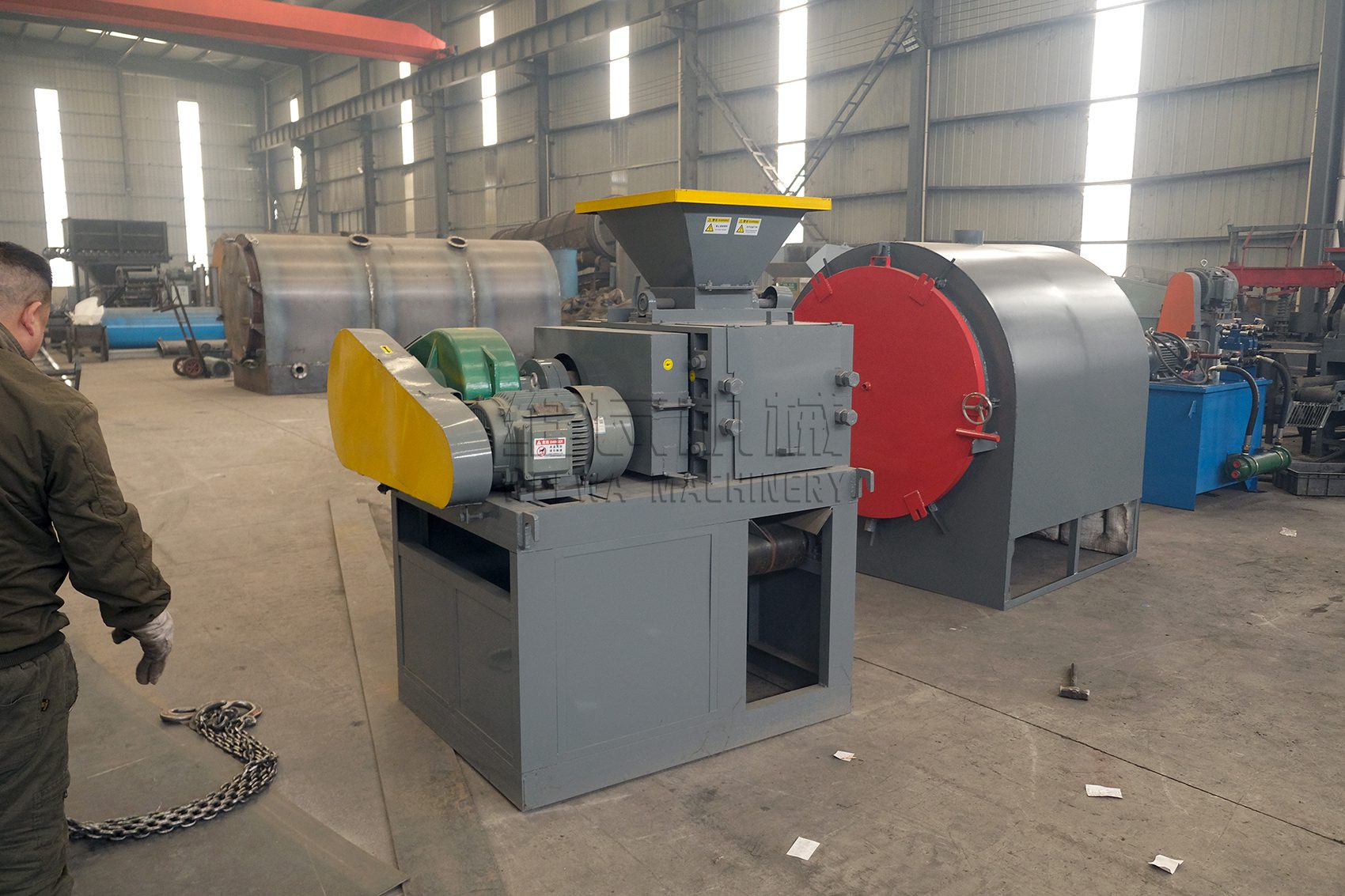
The third stage is the briquetting process itself, where the charcoal ball press machine shapes the material into spheres, ovals, pillows, or custom geometries. Roller material is typically alloy steel treated by carburizing and quenching to resist abrasion. For clients interested in making charcoal balls in Peru, we often recommend replaceable roller sleeves so that mold changes can be done quickly when switching product sizes. The fourth stage is drying. Mesh belt dryers provide controlled hot air circulation and are suitable for medium to large lines, while rotary dryers handle higher throughput. The fifth stage involves cooling and screening to separate deformed or incomplete balls, followed by weighing and packaging into polyethylene bags, cartons, or jumbo bags depending on the sales channel.
Throughout the line, conveyor systems link each unit and maintain continuous flow. Dust collectors are installed at transfer points to meet environmental expectations, which is increasingly important for factories making charcoal balls in Peru near urban or semi-urban areas. Automation panels allow operators to monitor motor currents, dryer temperatures, and press pressure from a central cabinet. When configured correctly, a charcoal briquette machine line from Weiwa Machinery can run with minimal manual intervention beyond routine maintenance, improving safety and consistency for Peruvian investors entering the briquette industry.
Why Peruvian Clients Choose Weiwa Machinery Ball Charcoal Briquettes Machine?
Beyond equipment performance, successful making charcoal balls in Peru depends on engineering support and after-sales reliability. Weiwa Machinery has more than thirty years of experience in manufacturing briquette and carbonization equipment. Our professional after-sales team provides 24/7 consultation, remote commissioning guidance, and on-site technician dispatch when necessary. For the Peru trial project, we supplied detailed manuals in English and Spanish glossaries for key components, electrical diagrams tailored to local voltage, and preventive maintenance schedules aligned with expected wear rates of the charcoal ball press machine.
Customization is another reason Peruvian clients work with us. Not every factory has the same raw material characteristics or floor plan. We review photos and measurements of the customer’s site, discuss daily capacity goals, and propose customized charcoal briquette machine configurations with matched crushers, mixers, and dryers. Design drawings include utility requirements such as power load, water for binder preparation, and foundation bolts. This planning phase reduces installation delays and helps Peruvian buyers secure local permits more efficiently. Whether the goal is BBQ charcoal balls for supermarkets or industrial briquettes for metallurgy, our ball charcoal briquettes machine can be adapted with different roller patterns and hydraulic settings.
We also understand logistics challenges. Shipping a complete charcoal ball press machine line to Callao or other Peruvian ports requires robust packaging and clear documentation. Weiwa Machinery coordinates part shipments, consolidates fragile items, and prepares spare parts kits to accompany the main containers. Our sales engineers maintain communication with freight forwarders to ensure customs paperwork reflects accurate HS codes and equipment descriptions, minimizing clearance risks. For many clients making charcoal balls in Peru, this end-to-end service is as valuable as the machinery itself because it shortens the time from order to commercial production.
Market Outlook for Charcoal Briquette Machine in Peru and South America
The outlook for making charcoal balls in Peru is supported by multiple macro trends. First, urbanization and income growth increase demand for clean, odor-controlled cooking fuel in Peruvian households. Second, the food service sector including restaurants and street vendors consumes large volumes of BBQ charcoal, creating steady B2B demand. Third, industrial applications such as foundries and brick kilns explore briquetted biomass as a substitute for expensive fossil fuels. A reliable charcoal ball press machine enables local producers to convert abundant biomass waste into standardized fuel, aligning with Peru’s sustainability goals and corporate ESG commitments.
Regionally, success in Peru often inspires adoption in neighboring countries. Investors from Chile and Colombia have visited operational sites using Weiwa charcoal briquette machine lines and expressed interest in similar setups. The port connectivity of Peru and existing trade agreements facilitate cross-border distribution of finished briquettes. As quality standards improve, Peruvian brands can differentiate through private label packaging, consistent calorific value, and low ash content—all achievable with a well-tuned ball charcoal briquettes machine and disciplined process control.
Technology-wise, we expect gradual shifts toward binderless briquetting in select Peruvian projects where raw material lignin content is sufficient and drying is precisely controlled. This reduces operating costs and simplifies the recipe for making charcoal balls in Peru. However, binder-based processes will remain dominant for mixed feedstocks. Our charcoal ball press machine is engineered to handle both scenarios, with adjustable pressure and customizable feeding systems. Continuous R&D at Weiwa Machinery focuses on roller material longevity, energy-efficient drives, and smarter automation—features that matter to Peruvian owners aiming for multi-shift operations and lower maintenance overhead.
Practical Considerations Before Investing in a Charcoal Ball Press Machine
For entrepreneurs evaluating making charcoal balls in Peru, several practical aspects deserve attention before purchasing a charcoal briquette machine. Raw material sampling is the first step. Different charcoal sources vary in fixed carbon content, volatility, and ash level, which influence press settings and binder ratio. Sending samples to the manufacturer for bench testing helps confirm whether a specific ball charcoal briquettes machine model can achieve target ball strength and appearance. Site assessment is equally important. Ceiling height, floor flatness, and proximity to raw material storage affect layout options for the crusher, mixer, charcoal ball press machine, and dryer.
Energy cost analysis should include electricity tariffs and drying fuel options. In some Peruvian regions, excess wood waste can fire a rotary dryer, reducing external energy dependence. In others, gas or electric mesh belt dryers may be preferable. Choosing the right dryer impacts the economics of making charcoal balls in Peru because drying often accounts for a significant portion of operating expense. Our engineers discuss these trade-offs during the planning stage and simulate production cost scenarios with the client. Financing and ROI timelines are also part of the conversation, especially for first-time investors comparing a charcoal briquette machine line against alternative agro-processing equipment.
Training is the final pillar. Even the best charcoal ball press machine requires skilled operators to monitor moisture, adjust binder dosage, and respond to minor faults. Weiwa Machinery provides operation training materials and remote sessions covering start-up procedures, safety checks, roller replacement, and basic troubleshooting. Peruvian clients are encouraged to assign dedicated personnel who will manage the ball charcoal briquettes machine long term, ensuring continuity as the business scales. With proper training, many of our overseas users achieve stable output within days of commissioning and optimize parameters further over the first month of making charcoal balls.
Embedded Video of Ball Charcoal Briquettes Machine Trial Run
The following video records the full trial run of our ball charcoal briquettes machine ahead of shipment to Peru. It shows the feeding system, roller engagement, ball ejection, and hydraulic pressure stability. Watching the charcoal ball press machine in action provides a clearer understanding of why equipment quality matters when making charcoal balls in Peru at commercial scale. The footage also highlights our factory workshop environment, inspection routines, and packaging standards at Weiwa Machinery. https://www.youtube.com/embed/placeholder_peru_trial_video
Readers are advised to observe the uniformity of the discharged balls, the synchronization of the rollers, and the minimal vibration of the charcoal briquette machine during continuous running. These details translate into lower maintenance costs and higher daily output once the line operates in Peru. If you are considering making charcoal balls in Peru, such visual verification is an essential part of supplier evaluation.
Continuous Innovation in Charcoal Briquette Machine Technology at Weiwa Machinery
Weiwa Machinery continues to refine the design of the ball charcoal briquettes machine to meet evolving global standards. Recent improvements include better sealing structures around the roller shafts to reduce powder leakage, modular base frames for easier container transport to markets like Peru, and PLC upgrades that log production data for traceability. The charcoal ball press machine now supports variable frequency drives on the feeder to fine-tune material intake according to batch density changes—a common scenario when making charcoal balls from mixed biomass sources.
Our R&D team also studies wear patterns on roller sleeves used by clients making charcoal balls in Peru and other regions, then adjusts heat treatment processes to extend service life. In parallel, we test new binder formulations compatible with local agricultural residues, aiming to reduce chemical usage without compromising ball integrity. Every iteration of the charcoal briquette machine benefits from field feedback collected by our after-sales network across more than 120 countries. This closed loop between factory, laboratory, and customer site ensures that Weiwa equipment remains practical, durable, and competitive for entrepreneurs entering or expanding in the briquette industry.
As sustainability becomes a global priority, the role of the ball charcoal briquettes machine in waste-to-energy value chains will grow. Peru, with its diverse agriculture and growing industrial base, stands to gain from adopting efficient charcoal ball press machine lines that transform underutilized biomass into marketable fuel. Weiwa Machinery is committed to supporting this transition through reliable machines, transparent technical guidance, and long-term partnership from the first inquiry to years of operation.
About Weiwa Machinery
Weiwa Machinery has over thirty years of working experience in the manufacturing of briquette and carbonization equipment. With a professional after-sales team, we provide customized services and design drawings to plan your site layout and production flow. Whether you need a single charcoal ball press machine or a complete charcoal briquette machine production line for making charcoal balls in Peru or other markets, our engineers are ready to assist. We have served more than 2,000,000 customers worldwide and exported to over 120 countries and regions. Contact us today to get a quotation and technical proposal tailored to your raw materials and capacity goals.
Contact Us
Email: [email protected]
Phone: +86 18439853888
Website: https://crushmixplant.com/briquette-machines/briquette-making-machine.html