
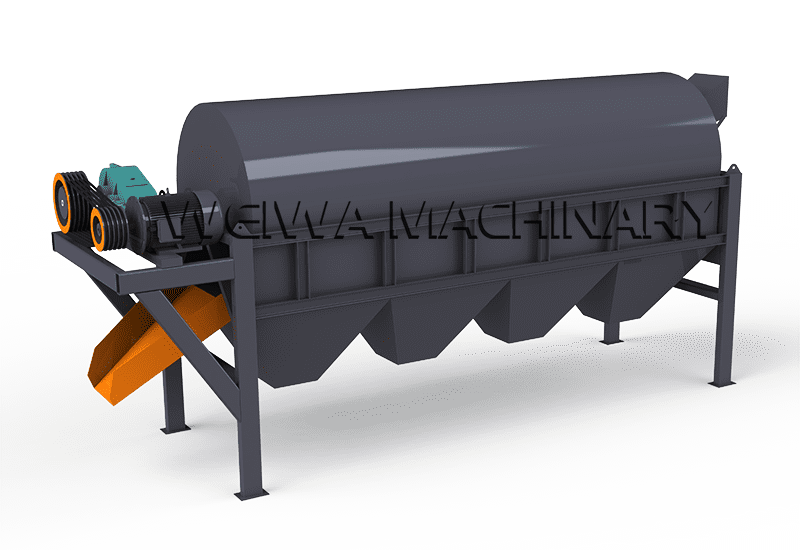

In modern industrial operations, efficient material classification and separation are essential for optimizing production, reducing waste, and ensuring product quality. One of the most reliable and widely used solutions for this purpose is the rotary screen, also commonly referred to as a roller screen or drum screen. At Weiwa Machinery, with over 30 years of engineering and manufacturing expertise, we have been at the forefront of designing and producing high-performance rotary screens for a broad range of industries.
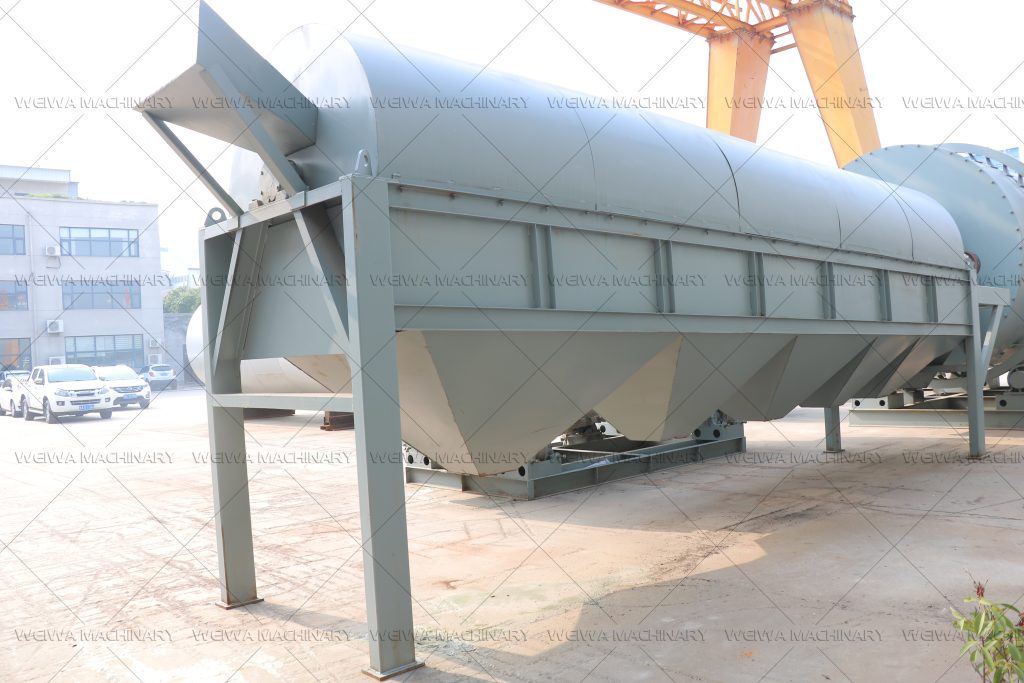
What is a Rotary Screen?
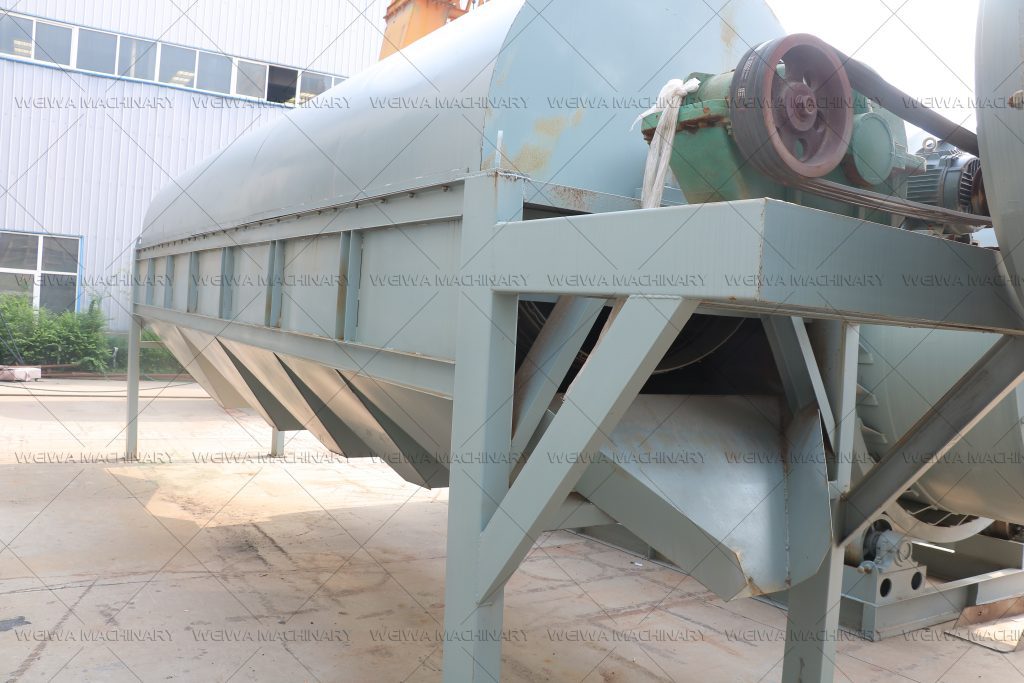
A rotary screen, or drum screen, is a mechanical screening device that uses a rotating cylindrical drum to separate materials based on size. The drum is slightly inclined and rotates around a horizontal axis. As material is fed into the higher end of the drum, it moves slowly along the interior surface due to gravity and the rotation. Smaller particles pass through perforations or mesh in the drum’s wall, while larger particles are conveyed to the discharge end.
Unlike vibrating screens that rely on intense vibration for separation, rotary screens operate with a gentler tumbling motion, making them suitable for delicate or abrasive materials. The term rotary screen is often used interchangeably with roller screen, though both refer to the same core screening mechanism.
At Weiwa Machinery, we specialize in custom-engineered rotary screens built for durability, efficiency, and high throughput. Our equipment is trusted by global clients for its robust construction and precise screening capabilities.
How Does a Rotary Screen Work?
The operational principle of a rotary screen is straightforward yet highly effective. Here’s how it functions:
1. Material Input
Bulk material is introduced into the rotary screen through an inlet located at the higher end of the inclined drum. The feed rate can be controlled to maintain optimal screening performance.
2. Drum Rotation
The drum rotates around its horizontal axis, driven by an electric motor or gearbox system. The rotation speed is typically low to moderate, ensuring a smooth tumbling motion that separates materials without causing damage.
3. Size Separation
As the material moves through the rotating drum, smaller particles pass through the perforations in the drum’s wall. These openings are precisely engineered based on the desired separation size. The remaining larger particles continue to move along the drum and are discharged at the lower end.
4. Discharge
- Oversized Material: Larger particles that do not pass through the screen openings are discharged through an outlet at the end of the drum.
- Undersized Material: Smaller particles that pass through the perforations are collected in a chute or conveyor located beneath the drum.
This efficient separation process makes rotary screens ideal for applications requiring accurate particle size classification.
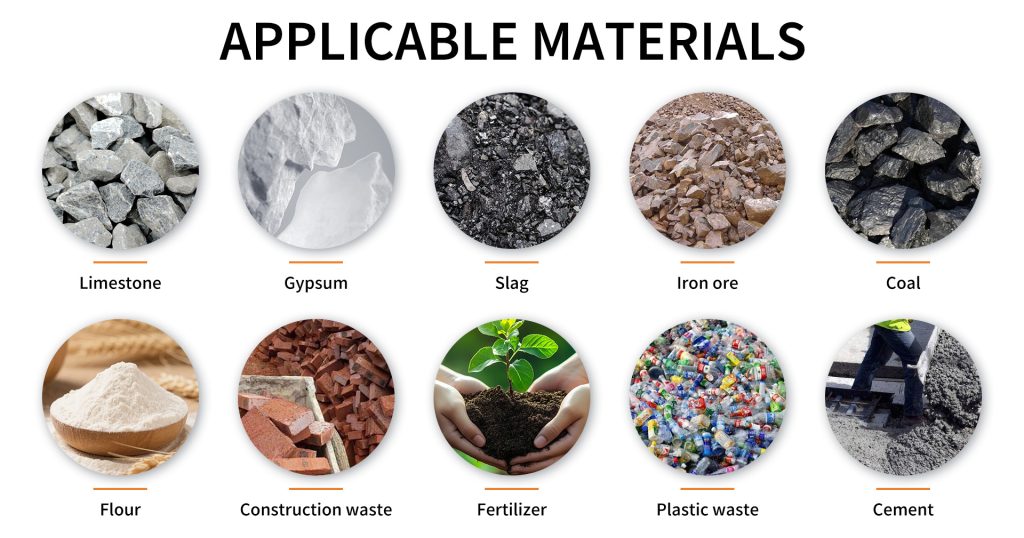
Suitable Raw Materials for Rotary Screens
Rotary screens are highly adaptable and can process a wide variety of raw materials across multiple industries. Thanks to their gentle tumbling action, customizable screen apertures, and robust construction, they are suitable for both fragile and abrasive materials. Below are the common types of raw materials that rotary screens are well-suited to handle:
Technical Parameters of Rotary Screen
Understanding the technical specifications of a rotary screen is essential when selecting the right equipment for your application. Below are the key technical parameters typically associated with rotary screens manufactured by Weiwa Machinery:
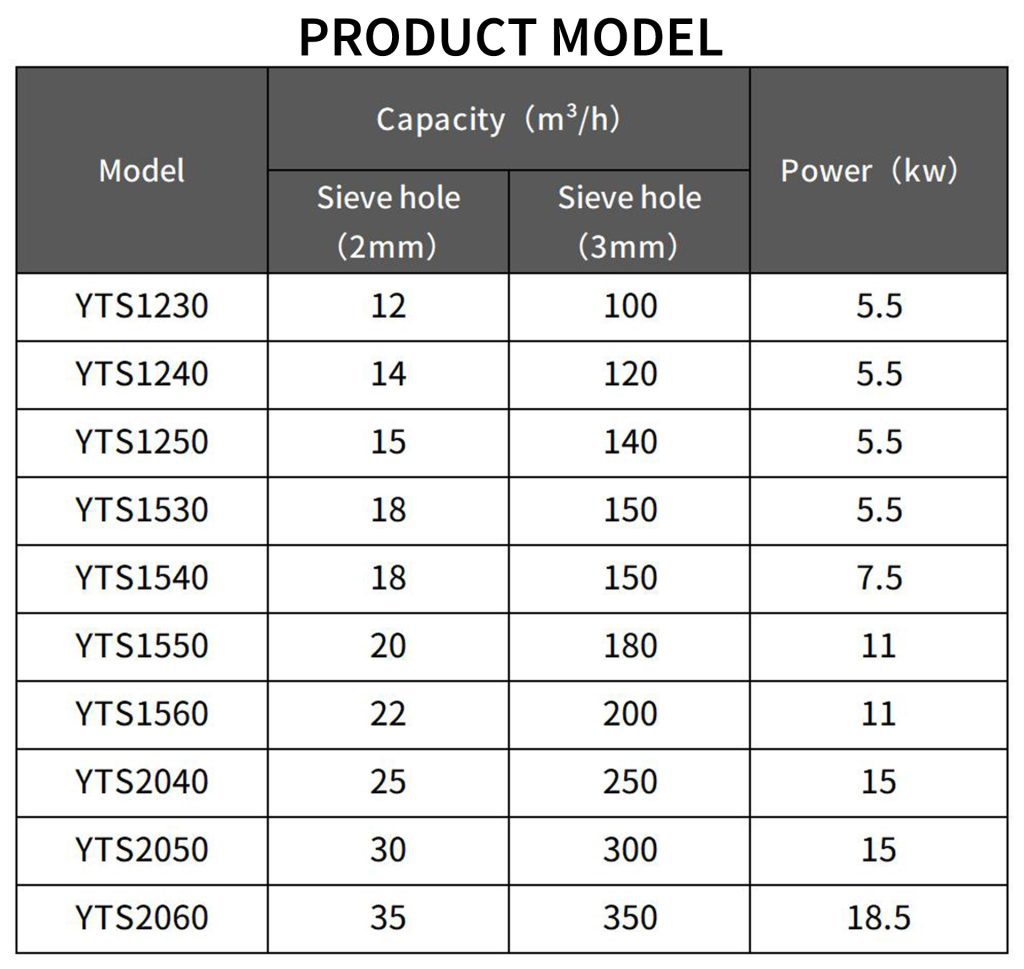
These technical parameters highlight the flexibility and adaptability of rotary screens, allowing them to be customized for a wide range of industrial applications. At Weiwa Machinery, we work closely with clients to engineer rotary screens that meet their exact specifications.
Applications of Rotary Screens
Rotary screens are highly versatile and are used across numerous industries for different material processing needs:
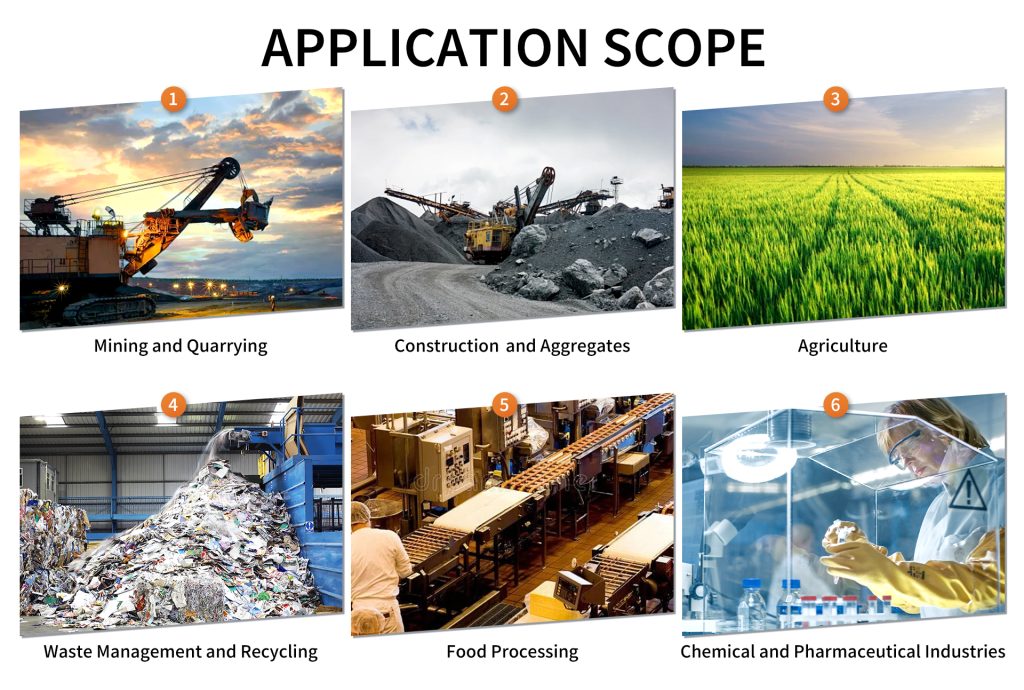
1. Mining and Quarrying
Used for screening ores, coal, aggregates, and minerals. They effectively separate fine particles from coarse materials.
2. Construction and Aggregates
Ideal for classifying sand, gravel, crushed stone, and recycled materials.
3. Agriculture
Used for sorting grains, seeds, and fertilizers. The gentle screening process protects delicate agricultural products.
4. Waste Management and Recycling
Rotary screens separate organic waste, plastics, metals, and construction debris based on size.
5. Food Processing
Employed for screening flour, sugar, spices, and other food ingredients. Stainless steel models ensure hygiene and compliance with food safety standards.
6. Chemical and Pharmaceutical Industries
Used for classifying powders, chemicals, and pharmaceutical ingredients with high precision.
Advantages of Rotary Screens
Rotary screens offer several benefits that make them a preferred choice for material separation:
1. Gentle Handling
The slow rotation minimizes material degradation, making it suitable for fragile or abrasive products.
2. Low Noise and Vibration
Compared to vibrating screens, rotary screens produce significantly less noise and vibration, contributing to a better working environment.
3. High Screening Efficiency
Precise perforation sizes and controlled tumbling motion ensure accurate separation of materials by size.
4. Low Maintenance
With fewer moving parts and a simple design, rotary screens require minimal maintenance and have a long service life.
5. Versatility
Capable of handling a wide range of materials, from fine powders to large chunks, and adaptable to various industries.
Factors to Consider When Choosing a Rotary Screen
When selecting a rotary screen for your operation, consider the following factors:
1. Material Properties
Include particle size, density, moisture content, and abrasiveness. These influence drum material, perforation type, and inclination angle.
2. Screening Objectives
Determine the desired separation size and throughput capacity.
3. Operating Environment
Consider factors such as exposure to moisture, chemicals, or extreme temperatures.
4. Maintenance and Accessibility
Choose a design that allows easy access to internal components for cleaning and maintenance.
5. Supplier Expertise
Work with an experienced manufacturer like Weiwa Machinery to ensure you get a reliable, custom-engineered solution.
Why Choose Weiwa Machinery for Your Rotary Screen Needs?
With over 30 years of industry experience, Weiwa Machinery has established itself as a leading provider of high-quality rotary screens and material processing equipment. Our commitment to innovation, durability, and customer satisfaction sets us apart in the global market.
What We Offer:
- Custom-Engineered Solutions: Tailored rotary screens designed to meet your specific material and production requirements.
- High-Quality Materials: Robust construction using carbon steel, stainless steel, and wear-resistant components.
- Global Service Network: Reliable after-sales support, installation guidance, and maintenance services.
- Proven Track Record: Trusted by clients in mining, construction, agriculture, and beyond.
Conclusion
Rotary screens are a critical component in modern industrial material processing, offering efficient, reliable, and gentle separation of bulk materials. Their versatility, low operational impact, and high screening accuracy make them indispensable in industries ranging from mining to food processing.
At Weiwa Machinery, we bring decades of expertise to every rotary screen we manufacture. Our technical knowledge, customized solutions, and commitment to quality ensure that our clients receive equipment that enhances productivity and delivers long-term value.
If you’re looking for a dependable rotary screen manufacturer with proven expertise, look no further than Weiwa Machinery. Contact us today to discuss your requirements and discover how our rotary screens can optimize your operations.gh-performance roller screen, look no further than Weiwa Machinery. Contact us today to learn more about our products and how we can support your operations.