

In the world of industrial drying solutions, rotary dryers stand out as one of the most versatile and widely used pieces of equipment. Whether you’re in the mining, chemical, agricultural, or construction industry, rotary dryers play a critical role in removing moisture from bulk solids efficiently and reliably. At Weiwa Machinery, with over 30 years of experience in manufacturing and supplying industrial machinery, we understand the importance of delivering high-performance drying solutions tailored to your specific needs.
What Is a Rotary Dryer?
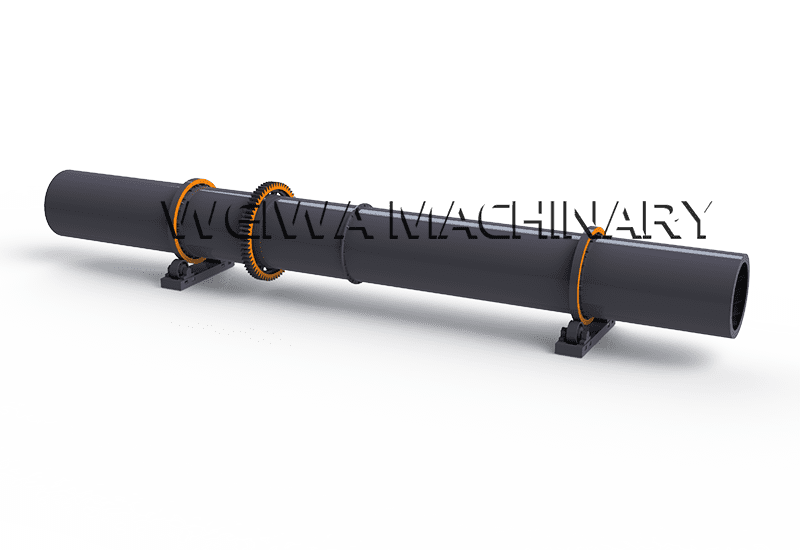
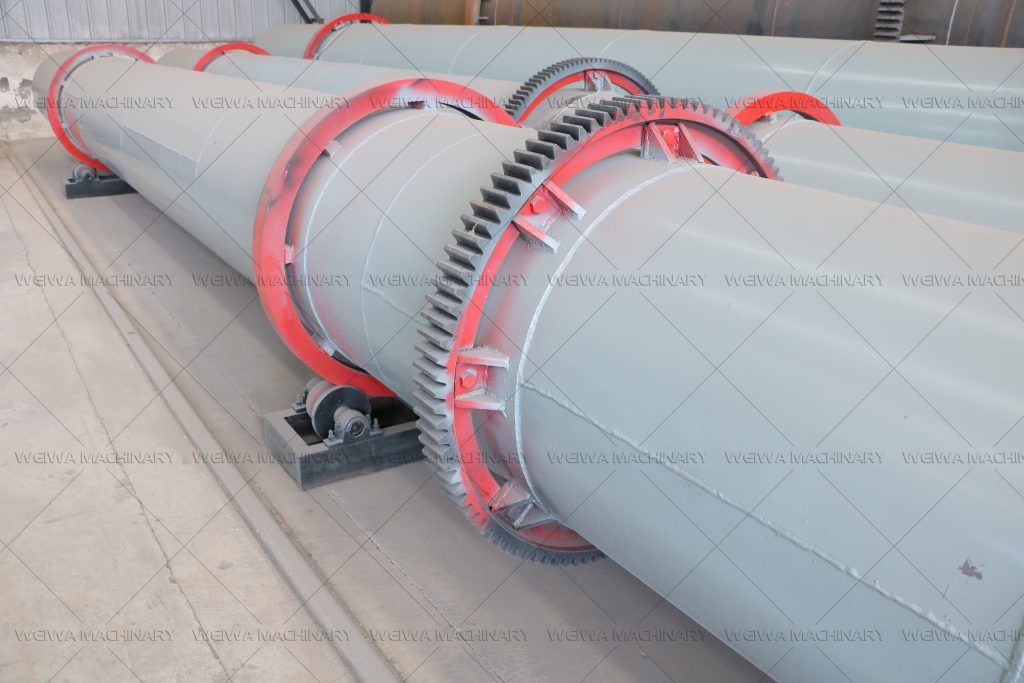
A rotary dryer is a type of industrial dryer that is used to reduce or minimize the liquid moisture content of a material by bringing it into direct contact with a heated gas. It is called a “rotary” dryer because the main drying chamber is a rotating cylindrical tube that slopes slightly to facilitate the continuous flow of material through the system.
The material to be dried is fed into one end of the rotating drum, and as the drum turns, gravity moves the material along the length of the cylinder. Meanwhile, hot air, gases, or combustion fumes are introduced into the drum either in a parallel or counter-current flow pattern relative to the material. This heat transfer process removes moisture effectively, resulting in a dried product ready for further processing or packaging.
At Weiwa Machinery, we specialize in designing and manufacturing rotary dryers that not only meet but exceed industry standards in terms of efficiency, durability, and adaptability.
How Does a Rotary Dryer Work?
Understanding the working principle of a rotary dryer is essential to appreciate its value in industrial applications. The operation of a rotary dryer involves several key components and processes:
The Rotating Drum
The heart of the rotary dryer is its large, rotating cylindrical drum. This drum is mounted at a slight angle to the horizontal plane, which allows gravity to pull the material through the drum as it rotates. The rotation itself serves to lift and shower the material through the hot air stream, ensuring uniform exposure to the drying medium.
Hot Air Generation
Hot air or gases are generated in a burner or furnace system and are directed into the drum. Depending on the application, these gases can be combustion exhaust gases, clean hot air, or even recycled process gases. The temperature and flow rate of the drying medium are carefully controlled to match the moisture content and thermal sensitivity of the material being dried.
Material Feeding and Discharge
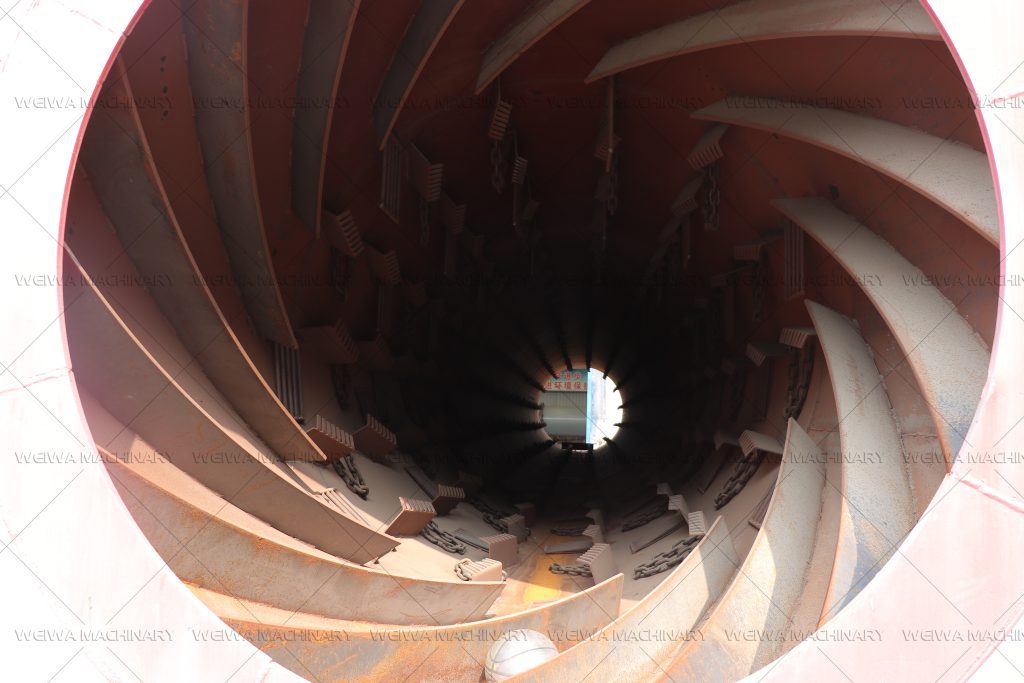
The wet material is introduced into the drum through a feed chute or hopper. As the drum rotates, the material is tumbled and lifted by internal flights or lifters, exposing it to the hot air. By the time the material reaches the discharge end, it has lost most or all of its moisture and is then collected for further use.
Heat Transfer Mechanism
The drying process relies primarily on convection heat transfer. The hot air transfers thermal energy to the wet material, causing the moisture to evaporate. The efficiency of this heat exchange depends on factors such as the contact time between the material and the air, the temperature differential, and the surface area exposed.
Applications and Usage Scenarios of Rotary Dryers
One of the reasons rotary dryers are so popular is their versatility. They can be used across a wide range of industries and for drying a variety of materials. Below are some of the most common usage scenarios where rotary dryers prove invaluable:
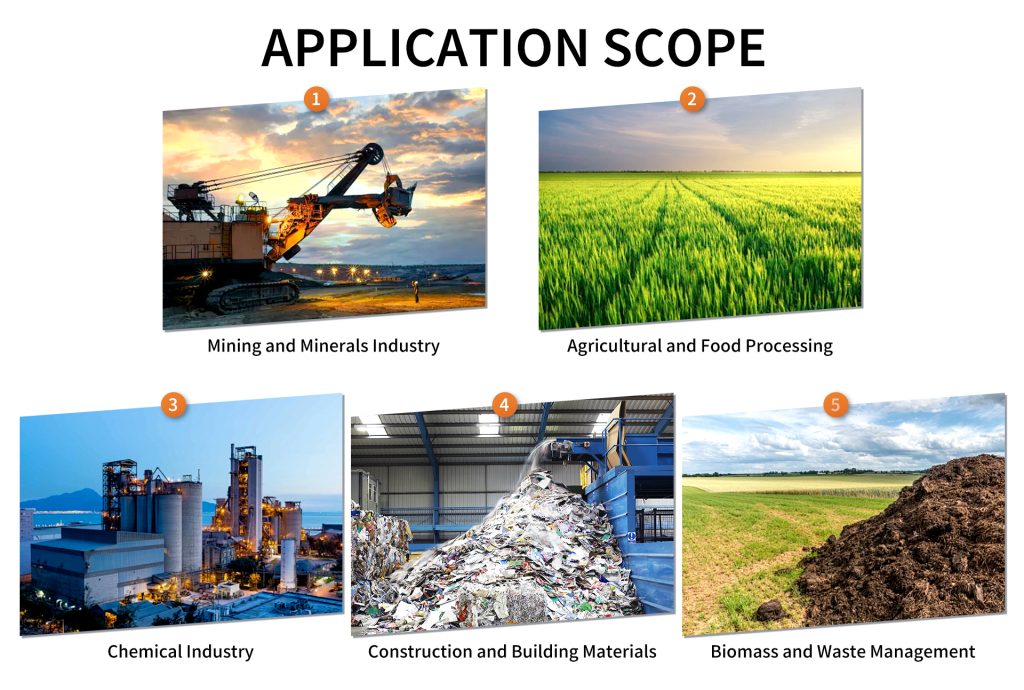
Mining and Minerals Industry
In the mining sector, rotary dryers are extensively used to dry materials such as iron ore, copper concentrate, bauxite, limestone, and coal. These materials often contain high moisture content that needs to be reduced for efficient transportation, further processing, or smelting.
Agricultural and Food Processing
Rotary dryers are widely used in the agricultural sector to dry crops such as grains, cereals, pulses, and oilseeds. They are also employed in food processing industries for drying products like fruits, vegetables, and animal feed. The ability to handle delicate materials with minimal degradation makes rotary dryers a preferred choice.
Chemical Industry
In chemical manufacturing, rotary dryers are used to process a wide range of substances, including fertilizers, salts, lime, and various powders or granules. The dryers can be customized to handle corrosive or hazardous materials safely.
Construction and Building Materials
Materials like cement, gypsum, clay, and fly ash often require drying before they can be used in construction applications. Rotary dryers are capable of handling these materials efficiently, ensuring consistent quality and performance.
Biomass and Waste Management
Rotary dryers are also used in the biomass industry to dry wood chips, sawdust, and other organic materials for use in bioenergy production. They are equally effective in waste management applications for drying sludge or municipal solid waste.
At Weiwa Machinery, we have successfully engineered rotary dryer solutions for all these industries, ensuring optimal performance under diverse operating conditions.
Key Components and Design Features of Rotary Dryers
A rotary dryer is more than just a rotating drum. It is a carefully engineered system composed of several critical components, each playing a vital role in the drying process. Below, we delve into the key components and design features that make rotary dryers so effective:
Drum and Rotating Mechanism
The drum is typically constructed from high-strength steel and lined with refractory or wear-resistant materials to withstand high temperatures and abrasive materials. The rotation is powered by a motor, gearbox, and support rollers, ensuring smooth and controlled movement.
Lifters or Flighting
Internal lifters or flights are attached to the interior of the drum. These components lift the material as the drum rotates, causing it to cascade through the hot air stream. This action increases the contact surface area between the material and the drying medium, enhancing efficiency.
Burner and Furnace System
The burner or furnace generates the hot gases required for the drying process. Depending on the fuel source—such as natural gas, coal, biomass, or oil—the burner is designed to produce a consistent and controlled flame. The furnace may be integrated or separate, depending on the system design.
Air Handling System
The air handling system includes fans, ducts, and sometimes cyclones or baghouses for dust collection. This system ensures the proper flow of hot air through the drum and manages the exhaust gases efficiently.
Feed and Discharge Systems
The feed system introduces the wet material into the drum, while the discharge system collects the dried product. These systems are designed to handle the specific characteristics of the material, ensuring a continuous and smooth operation.
Insulation and Temperature Control
Proper insulation of the drum and other components helps retain heat and improve energy efficiency. Advanced temperature control systems allow operators to monitor and adjust the drying process in real time, ensuring optimal results.
At Weiwa Machinery, we pay meticulous attention to each of these components, using high-quality materials and precision engineering to deliver rotary dryers that are reliable, efficient, and built to last.
Technical Specifications of Rotary Dryers
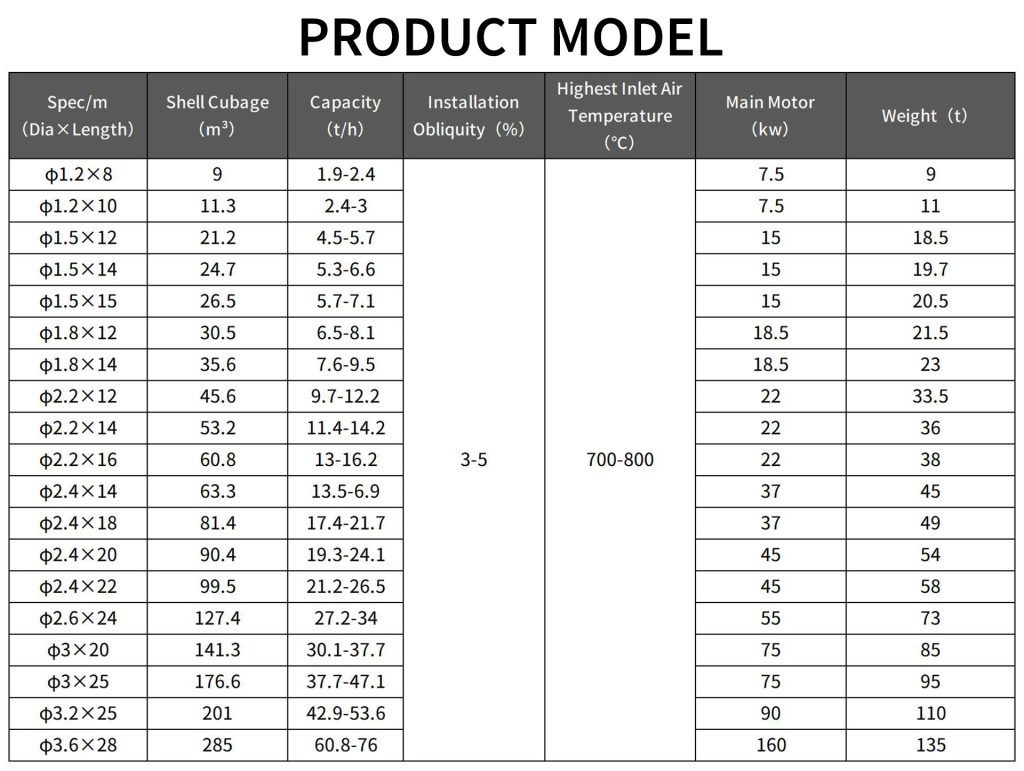
Understanding the technical specifications of rotary dryers is essential for selecting the right model that aligns with your material processing needs. While rotary dryers are highly customizable, most industrial units share a range of common technical parameters that define their performance, capacity, and suitability for various applications.
Below are the typical technical specifications you’ll find when evaluating a standard rotary dryer system:
Suitable Raw Materials for Rotary Dryers
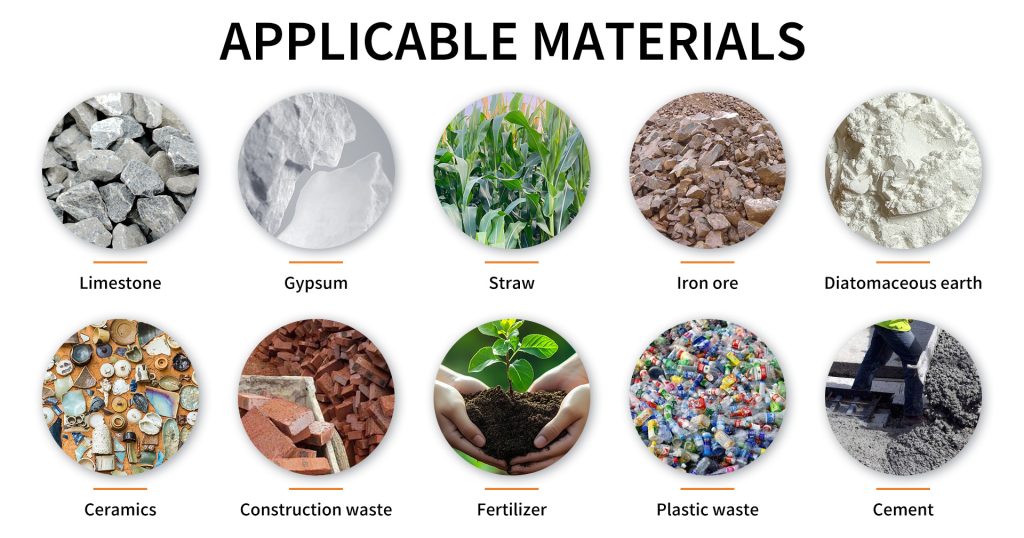
Rotary dryers are among the most versatile industrial drying systems available, capable of handling a wide variety of raw materials across multiple industries. Their adaptable design — including adjustable drum inclination, rotational speed, temperature control, and internal flighting/lifter configurations — makes them suitable for both granular and bulk solid materials, even those that are moist, sticky, heat-sensitive, or abrasive under the right setup.
Below is a comprehensive list of raw materials commonly dried using rotary dryers, grouped by industry or material type:
Advantages of Using Rotary Dryers
Rotary dryers offer a host of advantages that make them the preferred choice for many industrial drying applications:
- Versatility: Capable of handling a wide range of materials, from fine powders to large chunks.
- High Capacity: Designed for continuous operation with large throughput capacities.
- Efficiency: Effective heat transfer mechanisms ensure optimal moisture removal with minimal energy waste.
- Customizability: Can be tailored to meet specific material characteristics and process requirements.
- Durability: Built with robust materials to withstand harsh operating conditions and heavy use.
- Cost-Effectiveness: Lower operational and maintenance costs compared to many alternative drying methods.
These benefits have made rotary dryers a staple in industries where efficient moisture removal is critical to product quality and process efficiency.
Factors to Consider When Choosing a Rotary Dryer
Selecting the right rotary dryer for your application requires careful consideration of several factors:
- Material Characteristics: The physical and chemical properties of the material, such as moisture content, particle size, and thermal sensitivity, will influence the design and operation of the dryer.
- Capacity Requirements: The desired throughput and production volume will determine the size and capacity of the dryer.
- Drying Temperature: Different materials require different drying temperatures, which will affect the choice of burner and air handling system.
- Energy Source: The availability and cost of fuel sources, such as natural gas, coal, or biomass, will influence the design of the burner and furnace.
- Environmental Regulations: Compliance with emissions and dust control regulations may require additional components, such as cyclones or baghouses.
At Weiwa Machinery, our team of experts works closely with clients to understand their unique requirements and recommend the most suitable rotary dryer solution.
Why Choose Weiwa Machinery for Your Rotary Dryer Needs?
With over 30 years of experience in the manufacturing and supply of industrial machinery, Weiwa Machinery has established itself as a trusted name in the industry. Our expertise in designing and building rotary dryers is unmatched, and we take pride in delivering solutions that are tailored to the specific needs of our clients.
Here’s what sets us apart:
- Extensive Experience: Our team brings decades of knowledge and hands-on experience in industrial drying solutions.
- Custom Solutions: We understand that every application is unique, and we offer customized rotary dryer designs to match your exact requirements.
- Quality Assurance: Our dryers are built using high-quality materials and undergo rigorous testing to ensure reliability and performance.
- Global Reach: We have served clients across the globe, delivering reliable and efficient drying solutions to a wide range of industries.
- Comprehensive Support: From initial consultation to installation and after-sales service, we provide end-to-end support to ensure your complete satisfaction.
Whether you’re looking to upgrade your existing drying system or invest in a new one, Weiwa Machinery is your trusted partner for all things related to rotary dryers.
Conclusion
Rotary dryers are an essential component of many industrial processes, offering an efficient, reliable, and versatile solution for moisture removal. From mining and agriculture to chemicals and construction, these robust machines play a critical role in ensuring product quality and process efficiency.
At Weiwa Machinery, we have been at the forefront of industrial drying technology for over 30 years, and we are committed to providing our clients with the highest quality rotary dryers and unmatched service. If you’re looking for a dependable partner to meet your drying needs, look no further than Weiwa Machinery.
Contact us today to learn more about our rotary dryer solutions and how we can help you achieve your operational goals.