
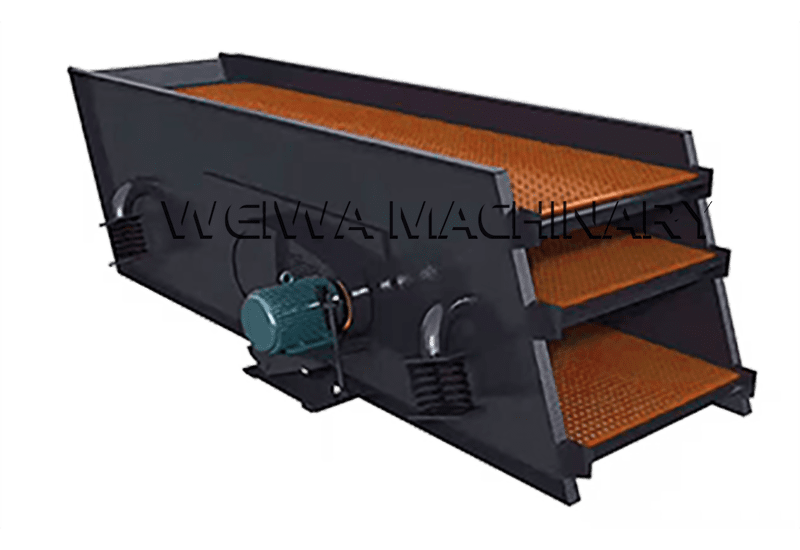

In the world of industrial processing and material handling, vibrating screens play a pivotal role in ensuring efficiency, precision, and productivity. Whether you’re involved in mining, construction, agriculture, or any sector that requires the separation and classification of materials, understanding vibrating screens is essential. At Weiwa Machinery, with over 30 years of industry experience, we’ve dedicated ourselves to providing high-quality vibrating screen solutions tailored to diverse operational needs.
What is a Vibrating Screen?
A vibrating screen is a mechanical tool designed to separate and classify materials based on size, shape, or other specific characteristics. It operates by using vibrations—typically generated by a motor or an eccentric shaft—to move materials across a screening surface. This motion helps smaller particles pass through the screen’s mesh or perforations while retaining larger ones on top.
The fundamental principle behind a vibrating screen is the conversion of rotational motion into linear or elliptical motion, which effectively stratifies and conveys the material. This process is not only efficient but also highly adaptable, making vibrating screens suitable for a wide range of industries and material types.
At Weiwa Machinery, we understand that the effectiveness of a vibrating screen hinges on its design, the type of motion it employs, and the specific requirements of the application. That’s why we offer a diverse range of vibrating screens, each engineered to deliver optimal performance in its intended setting.
Applications of Vibrating Screens
Vibrating screens are incredibly versatile and find applications across numerous industries. Their ability to handle a wide variety of materials and perform precise separations makes them a cornerstone in many processing operations. Below, we explore some of the most common usage scenarios where vibrating screens prove invaluable.
Mining and Quarrying
In the mining and quarrying industry, vibrating screens are essential for sorting and classifying ores, minerals, and aggregates. They help separate valuable minerals from waste rock, ensuring that only the desired materials proceed to the next stage of processing. Whether it’s separating coarse materials from fines or classifying particles into different size ranges, vibrating screens enhance efficiency and reduce operational costs.
Construction and Building Materials
The construction industry relies heavily on vibrating screens for processing sand, gravel, and other building materials. These screens ensure that the materials meet specific size requirements, which is crucial for producing high-quality concrete, asphalt, and other construction components. By removing oversized or undersized particles, vibrating screens contribute to the durability and consistency of construction materials.
Agriculture and Food Processing
In agriculture, vibrating screens are used to clean and classify seeds, grains, and other agricultural products. They help remove impurities, such as stones, dirt, and broken grains, ensuring that only clean and uniform products are used or sold. Similarly, in the food processing industry, vibrating screens play a vital role in sorting and grading products, maintaining hygiene standards, and improving overall product quality.
Chemical and Pharmaceutical Industries
The chemical and pharmaceutical sectors utilize vibrating screens for precise particle separation and classification. These industries often deal with fine powders and granules, requiring accurate screening to ensure product consistency and compliance with regulatory standards. Vibrating screens provide the precision and reliability needed in these sensitive applications.
Waste Management and Recycling
Vibrating screens are also instrumental in waste management and recycling operations. They help separate recyclable materials from waste streams, ensuring that valuable resources are recovered and reused. By efficiently sorting materials based on size and composition, vibrating screens contribute to sustainable waste management practices.
Key Components and Working Mechanism of Vibrating Screens
To truly appreciate the functionality of vibrating screens, it’s essential to understand their key components and how they work together to achieve efficient material separation.
Screen Deck
The screen deck is the surface on which the material is placed and screened. It is typically made of wire mesh, polyurethane, or other materials, depending on the application. The size and shape of the openings in the screen deck determine the size of particles that can pass through, allowing for precise classification.
Vibration Mechanism
The vibration mechanism is the heart of the vibrating screen, responsible for generating the motion that moves the material across the screen deck. This mechanism usually consists of an electric motor, eccentric shaft, or vibrating motor. The type of vibration—linear, circular, or elliptical—depends on the design of the screen and the specific requirements of the application.
Frame and Support Structure
The frame provides the structural integrity needed to withstand the vibrations and loads associated with the screening process. It is often made of durable materials, such as steel, and is designed to ensure stability and longevity. The support structure, which may include springs, rubber mounts, or other damping elements, helps absorb vibrations and reduce the transmission of forces to the surrounding environment.
Feeding and Discharge Systems
Efficient feeding and discharge systems are crucial for ensuring a smooth and continuous screening process. The feeding system directs the material onto the screen deck in a controlled manner, while the discharge system collects and transports the separated materials for further processing or disposal.
The working mechanism of a vibrating screen involves the synchronized operation of these components. As the vibration mechanism generates motion, the material is propelled across the screen deck, allowing smaller particles to pass through the openings while larger particles are retained. This process continues until the material is effectively classified according to the desired size criteria.
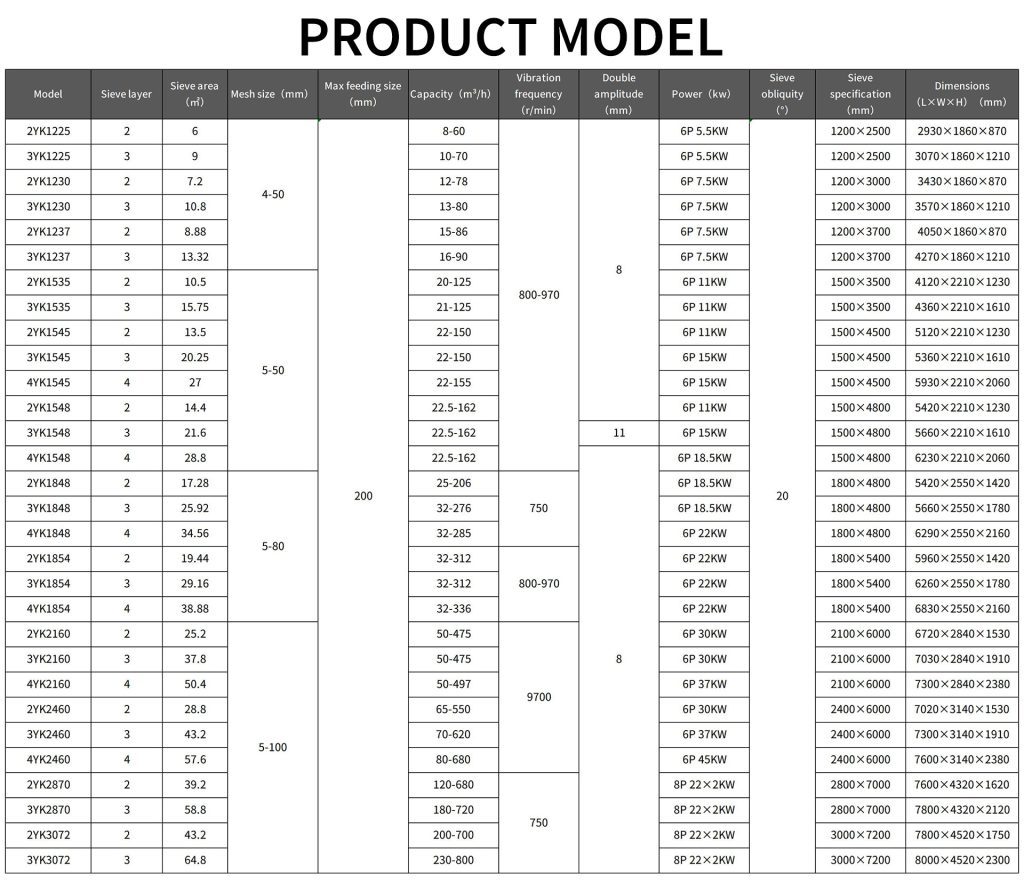
Technical Parameters of Vibrating Screens
Understanding the technical specifications of vibrating screens is crucial for selecting the right equipment for your specific application. These parameters determine the performance, capacity, and suitability of a vibrating screen for various materials and operational conditions. Below are the key technical parameters typically associated with vibrating screens:
Suitable Raw Materials for Vibrating Screens
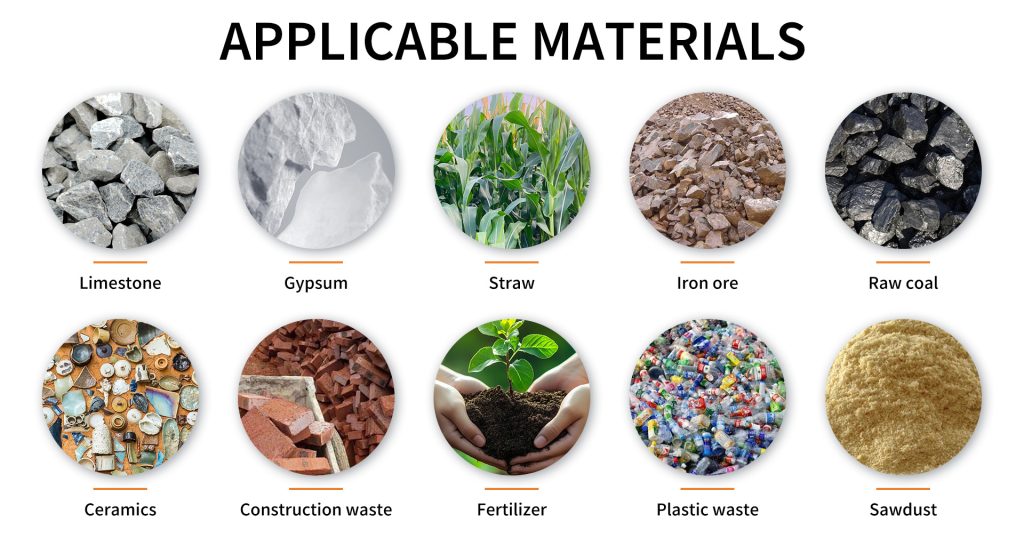
Vibrating screens are highly adaptable and can handle a wide range of raw materials across various industries. The suitability of a material for vibrating screen processing depends on factors such as particle size, density, moisture content, and abrasiveness. Below are the common types of raw materials that vibrating screens are designed to process:
Types of Vibrating Screens
Vibrating screens come in various types, each designed to meet specific operational requirements. Understanding these types can help you select the most suitable screen for your needs.
Linear Vibrating Screens
Linear vibrating screens use a linear motion to move materials in a straight line across the screen deck. They are ideal for applications that require high throughput and precise classification, such as mining, construction, and chemical processing.
Circular Vibrating Screens
Circular vibrating screens employ a circular motion to create a tumbling effect, which helps in better stratification and separation of materials. They are commonly used in industries where gentle screening is required, such as food processing and pharmaceuticals.
Elliptical Vibrating Screens
Elliptical vibrating screens combine the benefits of linear and circular motions, offering enhanced screening efficiency and versatility. They are suitable for a wide range of applications, including mining, aggregates, and recycling.
High-Frequency Vibrating Screens
High-frequency vibrating screens operate at higher frequencies and smaller amplitudes, making them ideal for fine particle separation. They are often used in industries where precise classification of fine materials is required, such as mining and chemical processing.
Factors to Consider When Choosing a Vibrating Screen
Selecting the right vibrating screen involves considering several factors to ensure optimal performance and efficiency.
Material Characteristics
The type, size, and properties of the material being screened, such as density, moisture content, and abrasiveness, play a significant role in determining the appropriate screen type and configuration.
Screening Goals
The desired outcome of the screening process, such as the required particle size distribution or the separation of specific materials, will influence the choice of screen mesh, motion type, and other parameters.
Operational Environment
The operating conditions, including temperature, humidity, and the presence of corrosive substances, can impact the durability and performance of the vibrating screen. It’s essential to choose a screen that can withstand the specific environmental challenges of your application.
Maintenance and Durability
Regular maintenance is crucial for ensuring the longevity and efficiency of a vibrating screen. Selecting a screen with easily accessible components and a robust design can simplify maintenance and reduce downtime.
Why Choose Weiwa Machinery for Your Vibrating Screen Needs?
With over 30 years of experience in the industry, Weiwa Machinery has established itself as a trusted provider of high-quality vibrating screen solutions. Our commitment to innovation, quality, and customer satisfaction has enabled us to serve a diverse range of industries, delivering tailored solutions that meet the unique needs of our clients.
At Weiwa Machinery, we understand that every application is different. That’s why we offer a comprehensive range of vibrating screens, from standard models to custom-designed solutions, ensuring that you get the right equipment for your specific requirements. Our team of experts works closely with clients to understand their challenges and provide reliable, efficient, and cost-effective screening solutions.
In addition to our extensive product range, we pride ourselves on our exceptional customer service and technical support. From initial consultation to after-sales service, we are dedicated to helping you achieve optimal performance and maximize the return on your investment.
Conclusion
Vibrating screens are indispensable tools in a wide range of industries, offering efficient and precise material separation and classification. By understanding the fundamentals of vibrating screens, their applications, and the factors that influence their performance, you can make informed decisions that enhance your operational efficiency and productivity.
At Weiwa Machinery, we are proud to be a leading provider of vibrating screen solutions, with decades of experience and a commitment to excellence. Whether you’re looking for a standard screening solution or a custom-designed system, we have the expertise and resources to meet your needs.
Explore our range of vibrating screens today and discover how Weiwa Machinery can help you achieve your operational goals. With our proven track record and dedication to quality, we are your trusted partner in industrial screening solutions.