
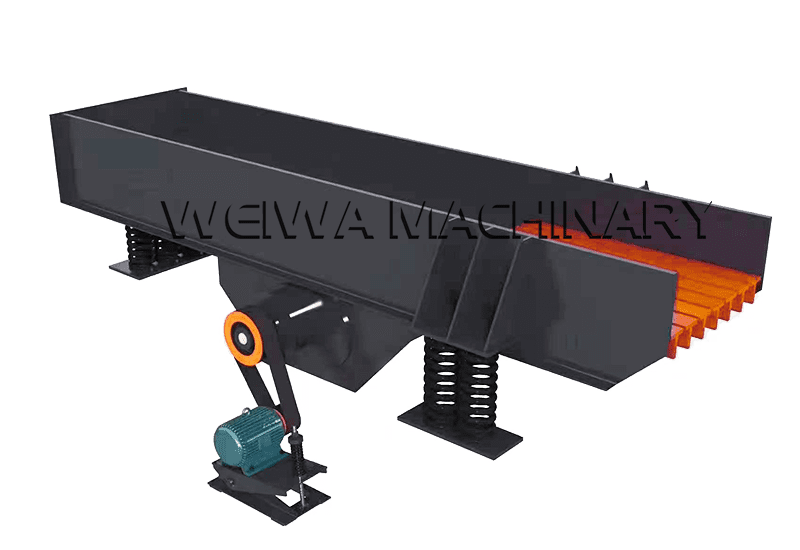

In the world of industrial automation and material handling, efficiency, precision, and reliability are paramount. One of the unsung heroes that contribute significantly to these aspects is the vibrator feeder. At Weiwa Machinery, with over thirty years of experience in manufacturing and engineering solutions, we have witnessed firsthand how vibrator feeders revolutionize production lines across various industries.
What is a Vibrator Feeder?
A vibrator feeder, also known simply as a vibratory feeder, is a mechanical device that uses vibration to move or “feed” materials from one point to another in a controlled manner. It operates on the principle of converting electrical energy into mechanical vibrations through an electromagnetic drive or motor vibrator. These vibrations create a movement that effectively conveys bulk materials along a trough, tray, or vibratory track.
At its core, a vibrator feeder consists of a feeding trough or pan, a vibration-generating mechanism (such as an electromagnetic coil or unbalanced motor), and a spring or suspension system that helps direct the vibrational force in the desired direction. The result is a smooth, continuous, and often adjustable flow of materials, which is essential for processes requiring consistent material input.
Vibrator feeders are not just about moving materials—they are about moving them efficiently, evenly, and without manual intervention. This makes them a critical component in industries where material flow consistency directly impacts productivity and quality.
Why Use a Vibrator Feeder?
The primary purpose of a vibrator feeder is to automate and regulate the feeding of bulk materials into processing machinery or production lines. But why is this so important? Let’s explore the key reasons why industries rely on vibrator feeders.
1. Consistent Material Flow
In many manufacturing processes, inconsistent material flow can lead to downtime, uneven processing, or even product defects. Vibrator feeders ensure that materials are delivered at a controlled rate, maintaining a steady flow that matches the downstream process requirements.
2. Automation and Labor Efficiency
By automating the feeding process, vibrator feeders reduce the need for manual labor. This not only cuts down on operational costs but also minimizes the risk of human error and workplace injuries.
3. Versatility in Material Handling
Vibrator feeders can handle a wide range of materials, including granules, powders, pellets, and even small parts. This versatility makes them suitable for diverse industries, from food processing to mining and pharmaceuticals.
4. Precision and Control
Modern vibrator feeders come with adjustable settings that allow operators to control the vibration intensity, feed rate, and direction. This level of precision is crucial for applications where exact material quantities are required.
5. Gentle Handling of Fragile Materials
Unlike some other material handling methods, vibrator feeders can be designed to handle fragile or delicate materials without causing damage. The controlled vibrations ensure that items are moved smoothly and safely.
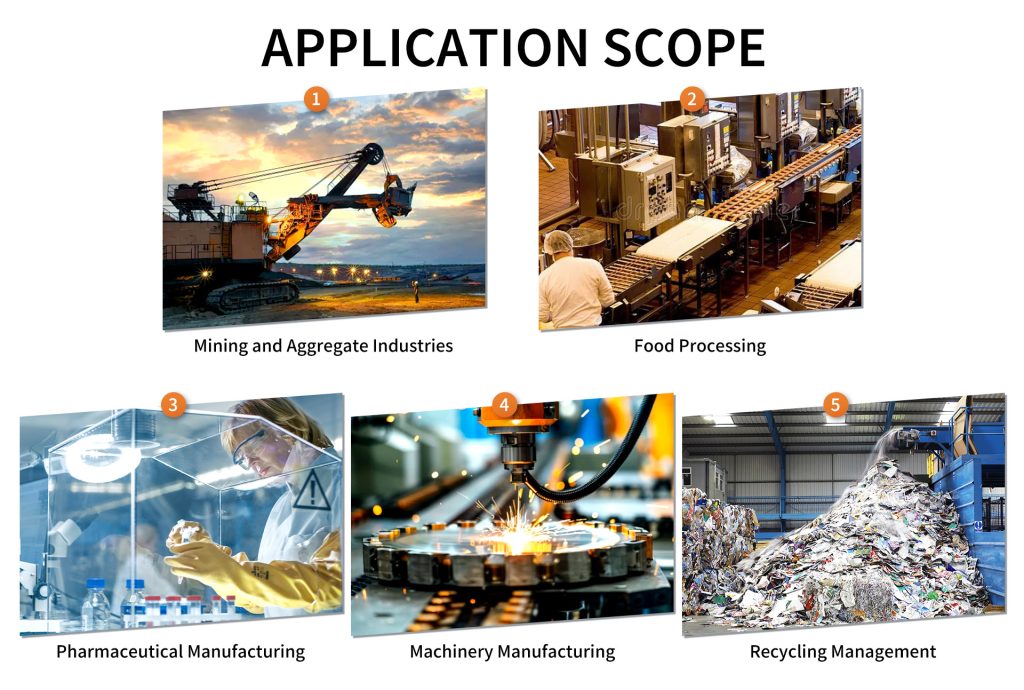
Common Applications of Vibrator Feeders
Vibrator feeders are used across a wide range of industries, thanks to their adaptability and efficiency. Below are some of the most common use cases and scenarios where vibrator feeders play a vital role.
Key Components of a Vibrator Feeder
To truly understand how a vibrator feeder works, it’s essential to break down its key components and their functions.
1. Feeding Trough or Pan
This is the part of the feeder that holds and transports the material. It is typically made of durable materials like steel or stainless steel to withstand wear and tear. The shape and size of the trough can be customized based on the application.
2. Vibration Mechanism
The vibration mechanism is the heart of the feeder. In electromagnetic vibratory feeders, an electromagnetic coil generates vibrations when powered. In motorized vibratory feeders, an unbalanced motor creates the necessary vibrations. These mechanisms are designed to produce controlled and consistent vibrations.
3. Spring or Suspension System
The springs or suspension system help absorb and direct the vibrations. They ensure that the vibrations are transferred efficiently to the feeding trough while minimizing the transmission of vibrations to the supporting structure.
4. Control Unit (for Electromagnetic Feeders)
In electromagnetic vibratory feeders, a control unit regulates the vibration frequency and amplitude. This allows operators to fine-tune the feeder’s performance based on the material and process requirements.
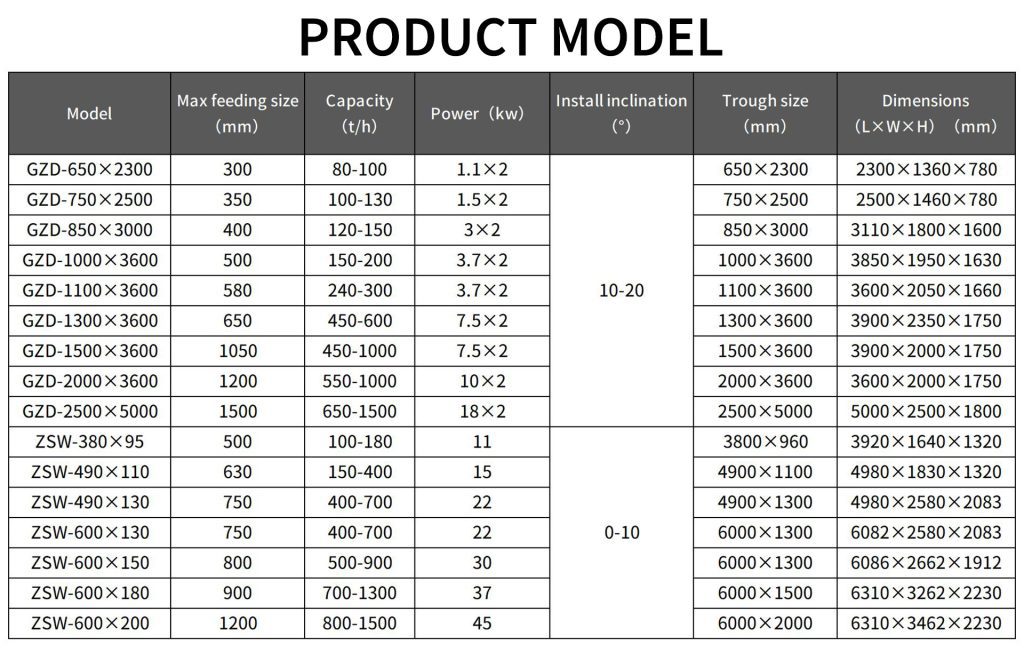
Technical Parameters of Vibrator Feeders
Understanding the technical specifications of vibrator feeders is crucial for selecting the right model for your application. Below are the key technical parameters that define the performance and capabilities of vibrator feeders:
1. Electromagnetic Vibratory Feeders
These feeders use electromagnetic coils to generate vibrations. They are known for their precise control and gentle handling of materials, making them ideal for applications like pharmaceuticals and food processing.
2. Motorized Vibratory Feeders
Motorized vibratory feeders rely on an unbalanced motor to create vibrations. They are more robust and suitable for heavy-duty applications, such as mining and construction.
3. Linear Vibratory Feeders
Linear vibratory feeders are designed to move materials in a straight line. They are often used in sorting, assembly, and packaging lines where precise material placement is required.
4. Circular Vibratory Feeders
These feeders move materials in a circular or elliptical motion. They are commonly used for screening, scalping, and feeding applications.
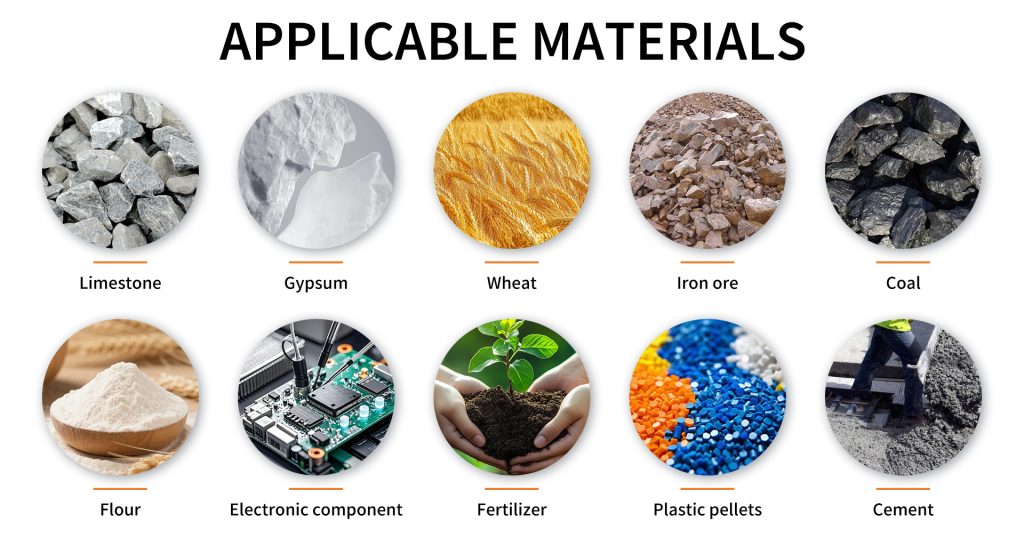
Suitable Raw Materials for Vibrator Feeders
Vibrator feeders are highly versatile and can handle a wide range of raw materials across various industries. Below are some of the common materials that are well-suited for vibration feeding:
Factors to Consider When Choosing a Vibrator Feeder
Selecting the right vibrator feeder for your application requires careful consideration of several factors.
1. Material Characteristics
The type of material—its size, density, flowability, and fragility—will determine the type of feeder and its configuration.
2. Feed Rate Requirements
The desired feed rate, or the amount of material that needs to be conveyed per hour, is a critical factor in selecting the appropriate feeder.
3. Environmental Conditions
Factors like temperature, humidity, and the presence of corrosive substances can influence the choice of materials and design.
4. Maintenance and Durability
Consider the ease of maintenance and the durability of the feeder, especially in high-demand environments.
Why Choose Weiwa Machinery?
At Weiwa Machinery, we bring over thirty years of expertise in designing and manufacturing industrial equipment, including high-quality vibrator feeders. Our commitment to innovation, reliability, and customer satisfaction has made us a trusted partner for businesses across the globe.
Our vibrator feeders are built with premium materials and engineered for long-lasting performance. Whether you need a standard model or a custom solution tailored to your unique requirements, our team of experts is here to help.
With a focus on quality, efficiency, and precision, Weiwa Machinery continues to set the standard in industrial equipment. We invite you to explore our range of vibrator feeders and discover how we can support your production goals.
Conclusion
Vibrator feeders are more than just material handling devices—they are essential tools that enhance efficiency, precision, and automation in a wide range of industries. By understanding how they work, their applications, and the factors that influence their performance, you can make informed decisions that drive your operations forward.
At Weiwa Machinery, we are proud to be at the forefront of this technology, offering reliable and innovative solutions to meet the evolving needs of our customers. With decades of experience and a dedication to excellence, we are your trusted partner in industrial automation.
Contact us today to learn more about our vibrator feeders and how we can help optimize your production processes.