Introduction
At Weiwa Machinery, we have been dedicated to providing advanced crushing and grinding equipment for global markets. Over the years, our Ball Mill for Indonesia has become a trusted solution among local mining and cement producers. In this blog, we will explore how ball mill technology works, why it is vital for various industries in Indonesia, and share real-world trial results that demonstrate its performance and reliability.
Our commitment goes beyond just selling machinery; we aim to educate clients about their equipment, help them maximize efficiency, and support sustainable development in Indonesia’s industrial sectors.
The Role of Ball Mill in Industrial Processes
What Is a Ball Mill?
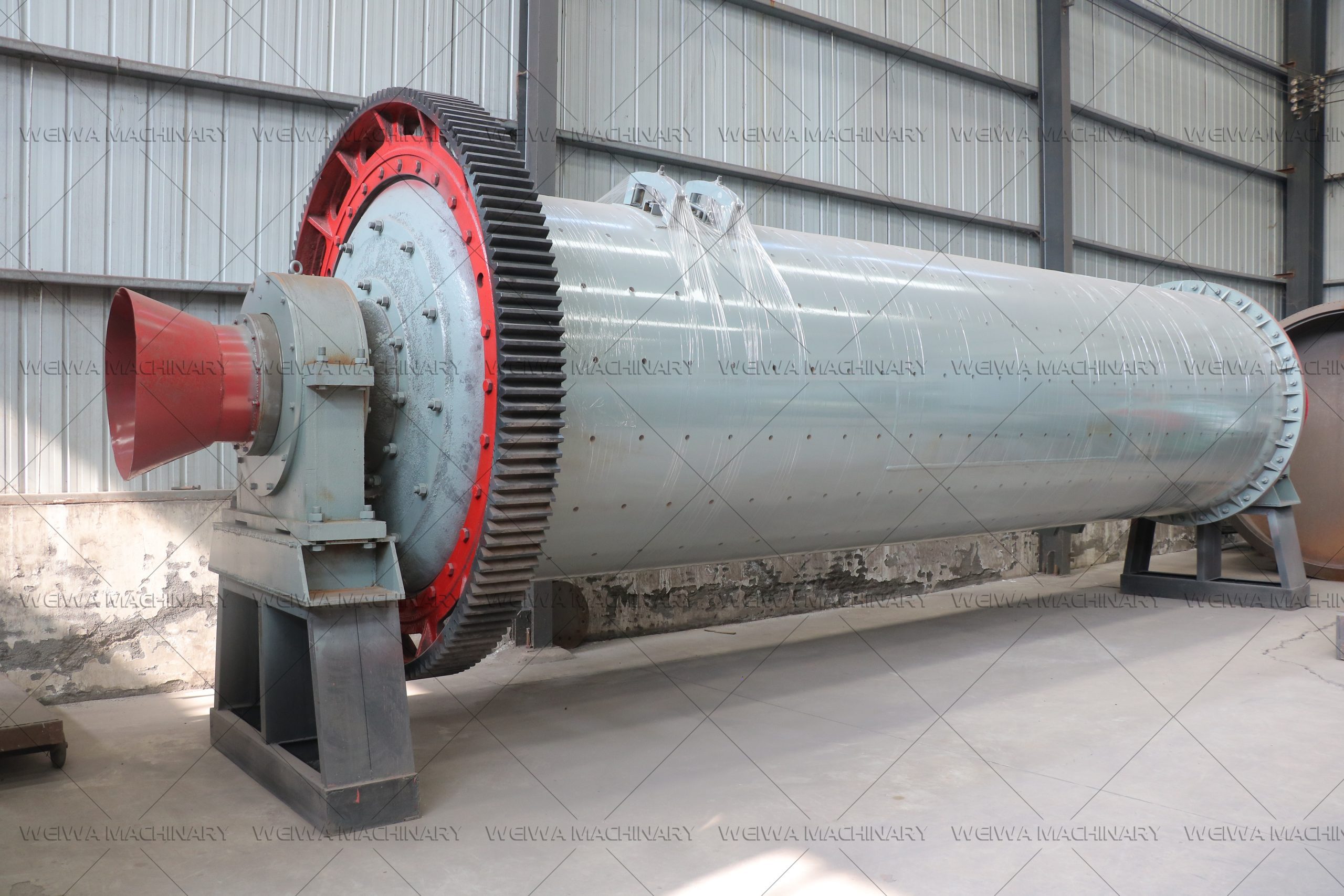
A Ball Mill is a type of grinder used to grind or blend materials into extremely fine powder. It consists of a rotating cylinder partially filled with grinding media—usually steel balls. As the cylinder rotates, the motion causes the balls to cascade and impact the material, breaking it down into smaller particles.
In Indonesia, where mineral resources such as coal, nickel, gold, and copper are abundant, ball mills are essential for processing raw ores into usable concentrates or powders. They also play a crucial role in cement production, ceramics manufacturing, and chemical industries.
Key Features of Modern Ball Mills
Modern Ball Mill for Indonesia models incorporate several features to improve efficiency and reduce maintenance:
- High Grinding Efficiency: Optimized rotation speed and ball size selection ensure effective comminution.
- Durable Construction: Made from wear-resistant materials to withstand harsh conditions.
- Energy Saving Design: Reduces power consumption while maintaining output quality.
- Automated Control Systems: Enable precise control over grinding parameters.
These advancements allow Indonesian manufacturers to increase productivity without compromising on product quality.
Applications of Ball Mill in Indonesia
Mining Industry
Indonesia is one of the largest exporters of nickel and coal in the world. Before these minerals can be exported or processed further, they must be crushed and ground to specific particle sizes. A Ball Mill in Indonesia is commonly used after primary crushing stages to achieve fine grinding required for flotation processes or pelletizing.
For example, in nickel laterite processing, ball mills help liberate valuable metals from gangue materials, improving recovery rates significantly.
Cement Production
Cement plants across Indonesia rely heavily on ball mills to grind clinker and other additives into fine powder. This step determines the final strength and durability of the cement product. By using high-quality ball mills, cement producers can maintain consistent fineness and reduce energy costs.
Ceramics and Chemicals
Beyond heavy industries, smaller-scale applications include ceramic manufacturing and chemical processing. Here, ball mills produce ultra-fine powders necessary for producing high-quality tiles, sanitary ware, pigments, and specialty chemicals.
Technical Considerations When Choosing a Ball Mill for Indonesia
Selecting the right Ball Mill for Indonesia involves understanding several factors:
Material Characteristics
The hardness, moisture content, and abrasiveness of the feed material influence the choice of grinding media and liner materials. For hard ores like basalt or granite common in Indonesian mines, manganese steel liners provide excellent longevity.
Capacity Requirements
Indonesian clients often need customized solutions based on plant throughput. Whether it’s a small laboratory-scale unit or a large industrial model capable of processing hundreds of tons per hour, Weiwa Machinery offers flexible designs tailored to specific needs.
Environmental Conditions
Tropical climates with high humidity levels require special attention to corrosion resistance. Our equipment includes protective coatings and drainage systems to prevent water ingress during operation.
Case Study: Trial Results from Indonesian Client
To showcase the capabilities of our Ball Mill in Indonesia, we conducted a comprehensive trial at a client’s facility located near Surabaya. The objective was to evaluate grinding efficiency, power consumption, and product fineness under actual working conditions.
Equipment Setup
- Model: WM-BM2400 (2400mm diameter × 3000mm length)
- Motor Power: 380 kW
- Grinding Media: High-chrome alloy steel balls
- Feed Material: Nickel ore with 15% moisture content
Trial Procedure
- Initial testing involved feeding the ore at varying rates to determine optimal throughput.
- Samples were taken before and after grinding to measure particle size distribution.
- Energy consumption was monitored throughout the process.
Results
- Throughput: Achieved 42 tons/hour at 75% filling rate.
- Fineness: Final product had 90% passing through 200 mesh screen.
- Power Consumption: Reduced by 12% compared to previous equipment due to improved design.
- Wear Rate: Liner replacement interval extended by 20%, lowering maintenance costs.
The client reported satisfaction with both performance metrics and operational ease. These results highlight why many Indonesian companies choose Weiwa Machinery for their grinding needs.
Comparative Analysis with Other Grinding Equipment
While there are alternative methods such as vertical roller mills and hammer mills, ball mills remain popular in Indonesia due to their versatility and cost-effectiveness.
Advantages Over Vertical Roller Mills
- Better suited for wet grinding applications.
- Lower initial investment for medium-scale operations.
- Easier maintenance and part replacement.
Advantages Over Hammer Mills
- Produces finer and more uniform particle sizes.
- Handles harder materials with greater efficiency.
- Longer service life under continuous operation.
This makes the Ball Mill for Indonesia an ideal choice for diverse industrial requirements.
Maintenance Tips for Long-Term Performance
Proper maintenance ensures that your Ball Mill in Indonesia operates efficiently over its lifespan. Here are some best practices recommended by Weiwa Machinery engineers:
Regular Inspection
Check bearings, gears, and lubrication systems weekly. Replace worn components promptly to avoid unexpected downtime.
Liner Replacement Strategy
Monitor wear patterns and plan replacements during scheduled shutdowns. Using high-quality liners extends intervals between changes.
Grinding Media Management
Periodically assess ball size distribution and replace damaged or undersized balls. Balanced loading improves grinding efficiency.
Cleanliness
Keep the interior clean to prevent buildup of fine particles that could affect performance.
By following these guidelines, Indonesian operators can minimize operational disruptions and extend equipment life.
Sustainability Aspects of Ball Mill Usage in Indonesia
Sustainability is increasingly important in Indonesia’s industrial landscape. Our Ball Mill for Indonesia contributes to environmental goals in multiple ways:
Energy Efficiency
Advanced motor designs and optimized rotational speeds lower electricity usage per ton of processed material.
Waste Reduction
Precise grinding reduces excess fines that would otherwise require additional handling or disposal.
Resource Conservation
Longer-lasting components mean fewer replacements, reducing waste generation.
Weiwa Machinery continuously innovates to make our equipment more eco-friendly without sacrificing performance.
Future Trends in Ball Mill Technology
As technology evolves, so does the potential for improving ball mill operations in Indonesia. Emerging trends include:
Smart Monitoring Systems
Integration of IoT sensors allows real-time tracking of temperature, vibration, and load, enabling predictive maintenance.
Hybrid Grinding Technologies
Combining ball milling with other methods like stirred media mills enhances flexibility and efficiency.
Automation Integration
Fully automated plants reduce labor dependency and improve safety standards.
Weiwa Machinery stays ahead of these developments to deliver cutting-edge solutions to Indonesian clients.
Conclusion
The importance of reliable grinding equipment cannot be overstated in Indonesia’s growing industrial sector. From mining to cement production, a well-designed Ball Mill for Indonesia delivers consistent results while meeting sustainability goals. At Weiwa Machinery, we take pride in offering durable, efficient, and customizable solutions backed by extensive experience and customer support.
If you’re looking for a trusted partner to supply or upgrade your ball mill system in Indonesia, contact us today. Let us help you achieve higher productivity and profitability through superior engineering.
About Weiwa Machinery
Weiwa Machinery is a leading manufacturer specializing in crushers, ball mills, and complete crushing & mixing plants. With decades of expertise, we serve clients worldwide, including Indonesia, delivering innovative machinery designed for performance, durability, and ease of operation. Our team provides end-to-end services from consultation and customization to installation and after-sales support.
Email: [email protected]
Phone: +86 18439853888