Southeast Asia’s transition to sustainable energy has accelerated in recent years, driven by rising environmental awareness and the need to reduce reliance on fossil fuels. Among the region’s most promising biomass solutions is the Ball Charcoal Briquettes Machine, a technology that transforms agricultural waste into clean-burning fuel. For Malaysian clients seeking large-scale production capabilities, Weiwa Machinery stands at the forefront, offering customized, high-efficiency solutions tailored to local needs.
The Rising Demand for Sustainable Energy in Southeast Asia
Southeast Asia is home to over 680 million people, with rapid urbanization and industrial growth driving a surge in energy demand. However, traditional energy sources like coal and oil contribute significantly to carbon emissions and air pollution. Governments across the region are responding with ambitious sustainability goals: Indonesia aims to cut greenhouse gas emissions by 29% by 2030, while Thailand targets 30% renewable energy in its power mix by the same year.
Biomass energy, derived from organic materials such as coconut shells, palm kernel shells (PKS), rice husks, and sawdust, has emerged as a viable alternative. Unlike fossil fuels, biomass is carbon-neutral—when burned, it releases only the CO₂ absorbed during plant growth. This makes it a key player in achieving net-zero targets.
Malaysia, with its robust palm oil industry, generates millions of tons of PKS annually. Instead of being discarded, these residues can be converted into high-value charcoal briquettes using charcoal ball press machines. This not only reduces waste but also creates economic opportunities for local communities. As demand for eco-friendly fuels grows, so does the need for efficient, large-capacity production equipment—a gap Weiwa Machinery is uniquely positioned to fill.
What Is a Ball Charcoal Briquettes Machine?
At its core, a ball charcoal briquette machine is a mechanical device that compresses loose biomass or charcoal powder into dense, uniform briquettes. These briquettes are easier to store, transport, and burn than raw materials, making them ideal for household cooking, industrial heating, and even export markets.
Key Components of a Ball Briquette Machine
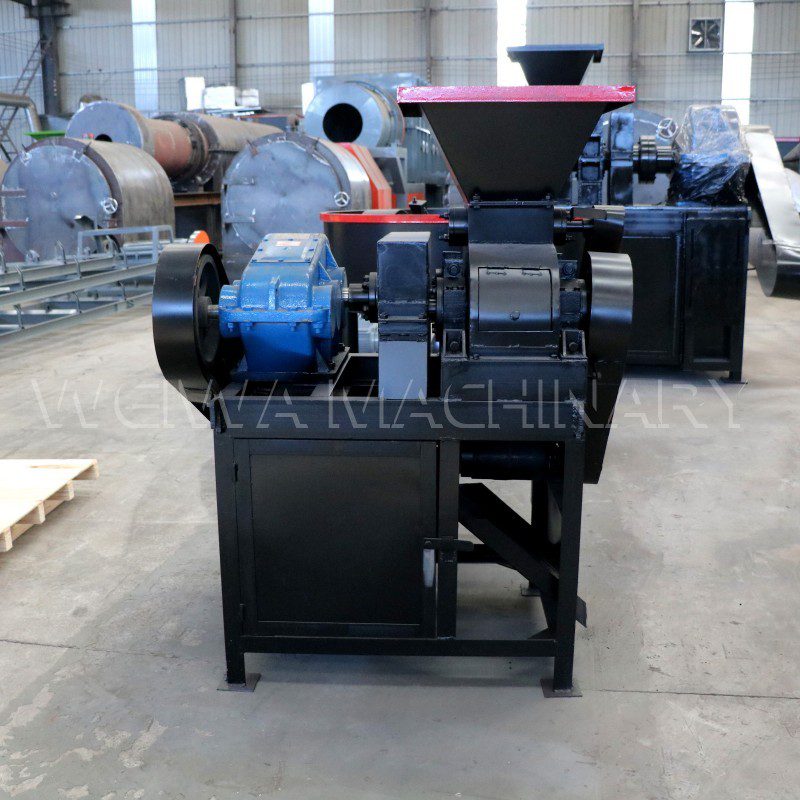
Modern ball briquette machines are engineered for durability and precision. Key components include:
- Feeding System: Ensures a steady supply of raw material to the compression chamber.
- Compression Rollers: Made from high-strength alloy steel, these rollers apply immense pressure to bind the material into solid shapes.
- Mold Plates: Determine the size and shape of the briquettes (commonly round, oval, or hexagonal).
- Hydraulic System: Regulates pressure and ensures consistent output, critical for large-scale production.
- Control Panel: Allows operators to adjust parameters like pressure, speed, and temperature for optimal performance.
How It Works: From Raw Material to Finished Briquette?
The process begins with preparing the raw material—typically dried biomass or charcoal powder mixed with a binder (e.g., starch or molasses) to enhance cohesion. The mixture is fed into the machine’s hopper, where it is compressed between two rollers. The high pressure expels air, fusing particles into a dense briquette. The finished product is then cooled and packaged for distribution.
Why Large-Capacity Ball Charcoal Briquette Machines Are Critical for Malaysia?
Malaysia’s biomass sector presents unique opportunities and challenges. With abundant PKS and other agricultural residues, the country has the potential to become a regional hub for charcoal briquette production. However, scaling up requires machinery that can handle high volumes efficiently. Here’s why large-capacity ball briquette machines are essential:
Meeting Growing Market Demand
As more households and businesses switch to eco-friendly fuels, the demand for charcoal briquettes is surging. Small-scale machines struggle to keep up, leading to bottlenecks in production. Large-capacity models, capable of producing 1–5 tons per hour, ensure consistent supply to meet market needs.
Maximizing Resource Efficiency
Malaysia’s palm oil industry generates approximately 15 million tons of PKS annually. By converting this waste into briquettes, producers can tap into a low-cost, readily available feedstock. Large machines optimize this process, reducing waste and increasing profitability.
Compliance with Environmental Regulations
Malaysian authorities are tightening regulations on waste management and emissions. Large-capacity briquette machines help companies comply by converting waste into value-added products, minimizing landfill use and lowering carbon footprints.
Building a Complete Ball Briquette Production Line
While the ball charcoal briquettes machine is the heart of the operation, a successful production line requires several supporting components. A well-designed system ensures smooth workflow, minimal downtime, and maximum efficiency.
Step 1: Raw Material Preparation
Before entering the briquette machine, raw materials must be processed to meet specific requirements:
- Drying: Moisture content should be below 15% to prevent briquette breakage. Rotary dryers or sun drying are commonly used.
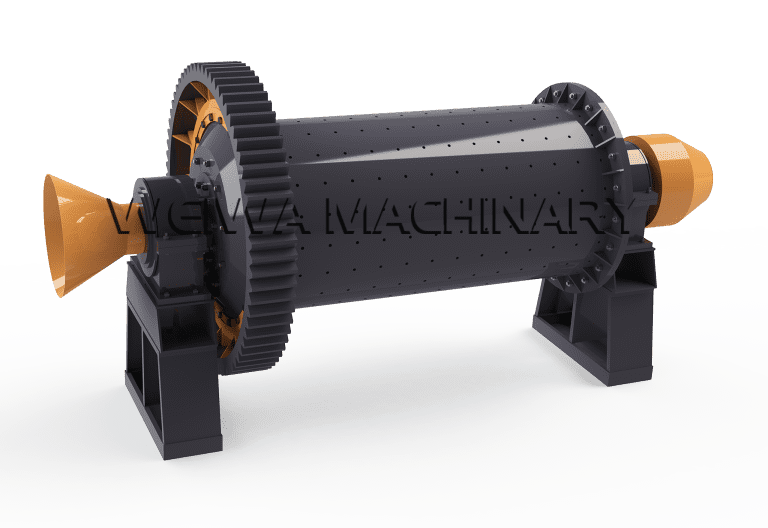
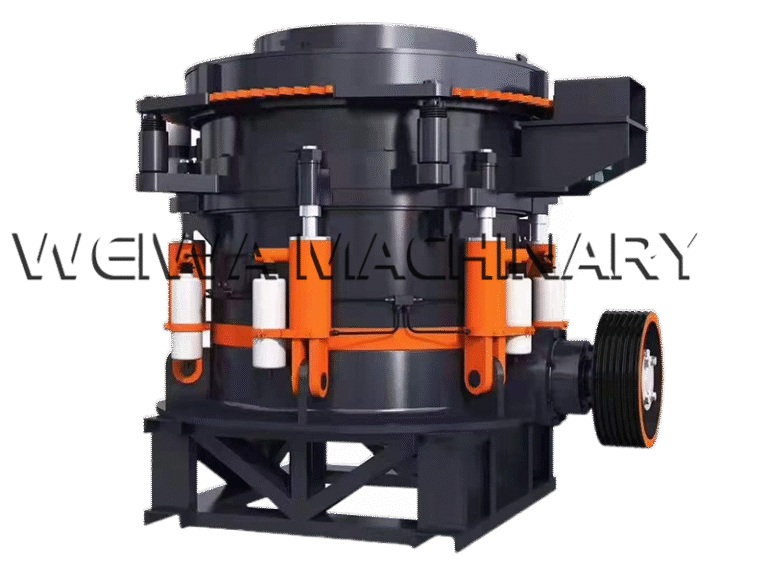
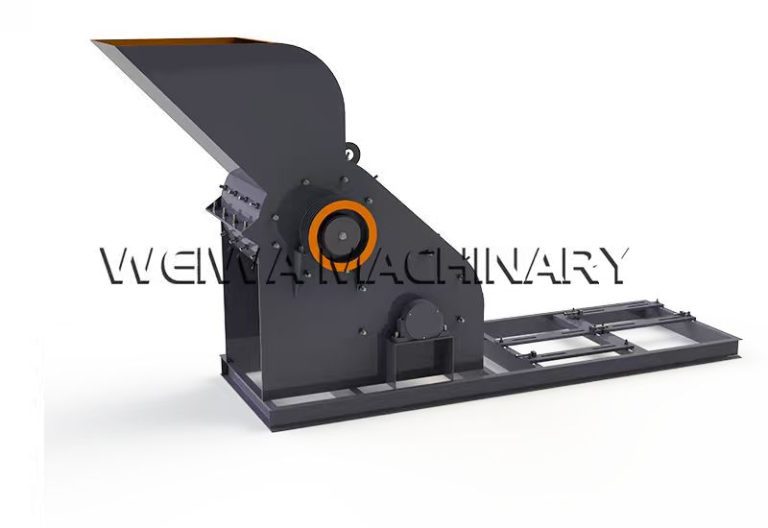
- Crushing: Large pieces of biomass (e.g., palm fronds) are reduced to powder using hammer mills or crushers.
- Mixing: The powder is blended with binders to improve adhesion. Automated mixers ensure uniform distribution.
Step 2: Briquette Formation
This is where the charcoal ball press machine takes center stage. After preparation, the mixture enters the press, which applies pressure to form dense briquettes. Advanced models feature adjustable molds to produce different sizes, catering to diverse customer preferences.
Step 3: Drying and Cooling
Freshly pressed briquettes contain residual moisture and heat. They are transferred to a rotary dryer or conveyor belt system to cool and further reduce moisture content to 5–8%, ensuring long shelf life.
Step 4: Packaging and Storage
Once cooled, briquettes are packaged using automatic bagging machines. Proper storage in dry, ventilated areas prevents degradation and maintains quality.
Why Weiwa Machinery Is Your Trusted Partner for Customized Solutions?
With over 30 years of experience in manufacturing biomass processing equipment, Weiwa Machinery has earned a reputation for reliability, innovation, and customer-centric service. Our commitment to excellence is reflected in every aspect of our business:
Tailored Designs for Local Needs
We understand that no two projects are alike. Our team works closely with clients to design customized ball charcoal briquettes machines that align with specific feedstock types, production targets, and space constraints. Whether you need a single machine or a full production line, we deliver solutions that fit your vision.
Expertise in Southeast Asian Markets
Having served clients across Southeast Asia, we have deep insights into regional challenges, from climate considerations to regulatory requirements. Our machines are built to withstand humid conditions and dusty environments, ensuring longevity and minimal maintenance.
Comprehensive Support Services
From initial consultation to after-sales support, we are with you every step of the way:
- Technical Consultation: Our engineers assess your site and provide detailed layout plans.
- Installation & Training: We offer on-site installation and train your staff to operate and maintain the equipment.
- Spare Parts Availability: A global network ensures quick access to replacement parts, minimizing downtime.
- 24/7 Customer Service: Our dedicated team is always available to address queries and resolve issues promptly.
Proven Track Record
Our portfolio includes successful projects in Malaysia, Indonesia, Vietnam, and Thailand. Clients praise our ability to deliver high-quality machinery on time and within budget, backed by exceptional service.
Shaping a Greener Future Together
The ball charcoal briquettes machine is more than just a piece of equipment—it’s a catalyst for sustainable development in Southeast Asia. By converting waste into wealth, it empowers communities, reduces environmental impact, and drives economic growth.
For Malaysian clients seeking to capitalize on this opportunity, Weiwa Machinery offers the expertise, customization, and support needed to succeed. Whether you’re a startup or an established producer, our large-capacity solutions will help you scale operations and meet the growing demand for eco-friendly fuels.
Ready to take the next step? Contact us today to discuss your project requirements and discover how our charcoal ball press machines can transform your biomass waste into a profitable, sustainable venture. Visit https://crushmixplant.com/briquette-machines/briquette-making-machine.htmlto learn more about our offerings.
Let’s build a greener future together—one briquette at a time.