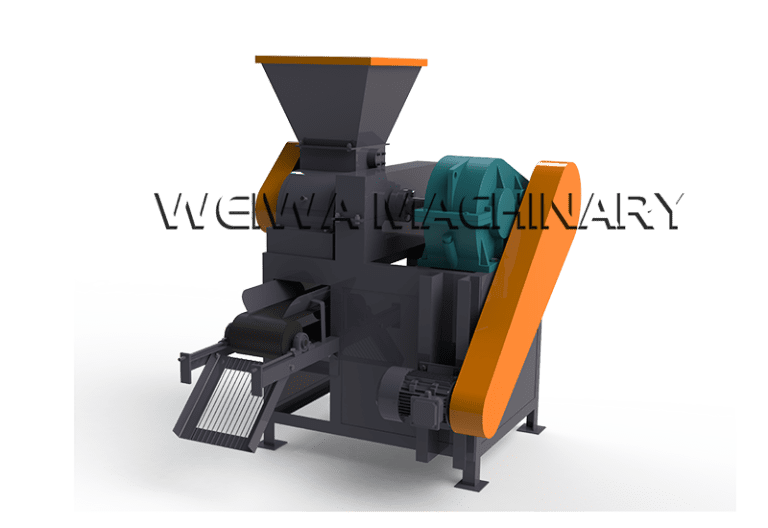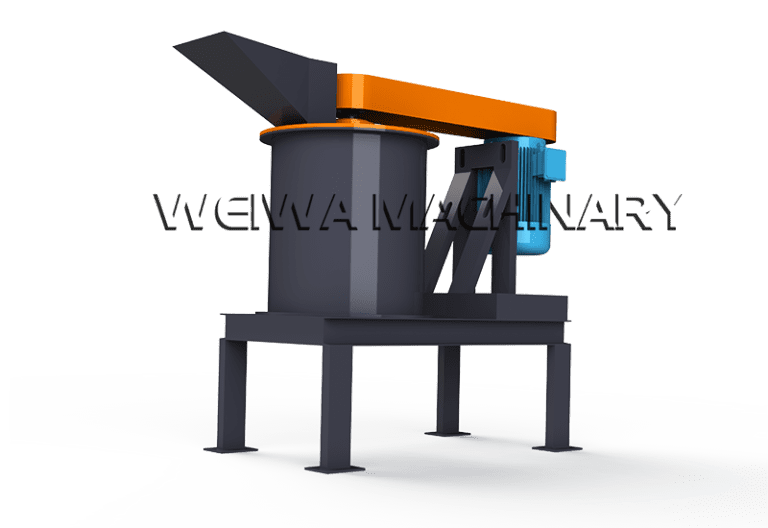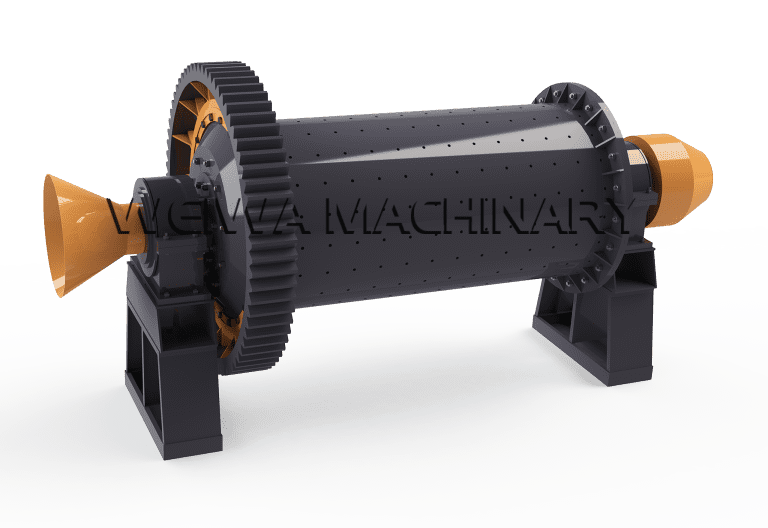
In today’s global push toward renewable energy and sustainable industrial solutions, charcoal ball press machines are gaining remarkable traction across emerging markets. At Weiwa Machinery, we believe that innovation must go hand in hand with real world validation. Recently, our team conducted an on site trial of our charcoal ball press machine for a client in Brazil, aiming to demonstrate its efficiency, reliability, and adaptability to local raw materials and production needs.
The Growing Relevance of Charcoal Ball Press Machine in Brazil
Brazil stands as one of the largest economies in Latin America, with vast agricultural and forestry resources. These resources generate significant amounts of biomass waste such as sawdust, rice husks, coconut shells, and sugarcane bagasse. Converting this waste into solid fuel through charcoal ball press machines not only reduces environmental pollution but also creates economic opportunities for rural communities.
Charcoal ball press machines compress powdered biomass or charcoal into dense, high calorific value briquettes. These briquettes serve as excellent substitutes for firewood and fossil fuels in cooking, heating, and small scale industrial processes. In Brazil, where deforestation and energy accessibility remain critical issues, adopting charcoal ball press technology aligns with national goals for cleaner energy and circular economy practices.
The market demand for reliable ball briquette machines is rising steadily. Brazilian entrepreneurs, cooperatives, and agro processing units seek equipment that can handle variable moisture levels, ensure uniform briquette density, and operate continuously with minimal downtime. Understanding these requirements, Weiwa Machinery designs its charcoal ball press machines to deliver consistent performance under diverse conditions.
Why Choose Weiwa Machinery’s Charcoal Ball Press Machine?
Our charcoal ball press machine integrates advanced mechanical engineering with user friendly features. Constructed from high strength alloy steel, it withstands abrasive raw materials while maintaining dimensional precision. The hydraulic system ensures stable pressure application, resulting in briquettes with smooth surfaces and high compressive strength.
Key advantages include:
- Adjustable pressure settings to accommodate different material types
- Low power consumption compared to traditional extrusion systems
- Quick mold change design for multi shape production
- Automated feeding and ejection mechanisms to reduce labor intensity
These attributes make our charcoal ball press machine particularly suitable for Brazil’s varied biomass profile. Whether processing hardwood charcoal fines or soft agricultural residues, the machine maintains output quality and operational stability.
Preparing for the Brazil Trial
Before shipping our charcoal ball press machine to Brazil, our engineering team analyzed local raw material samples provided by the client. Tests indicated a mix of eucalyptus charcoal powder and sugarcane bagasse with moderate moisture content. To optimize briquette formation, we calibrated the pressure parameters and recommended slight pre drying to enhance binding without excessive energy use.
Logistics posed a challenge due to the machine’s weight and dimensions. However, our experienced export department coordinated secure crating and arranged customs clearance to ensure timely delivery. Upon arrival, our technician traveled to the client’s facility to oversee installation and conduct operator training.
On Site Test Run of Charcoal Ball Press Machine for Brazil
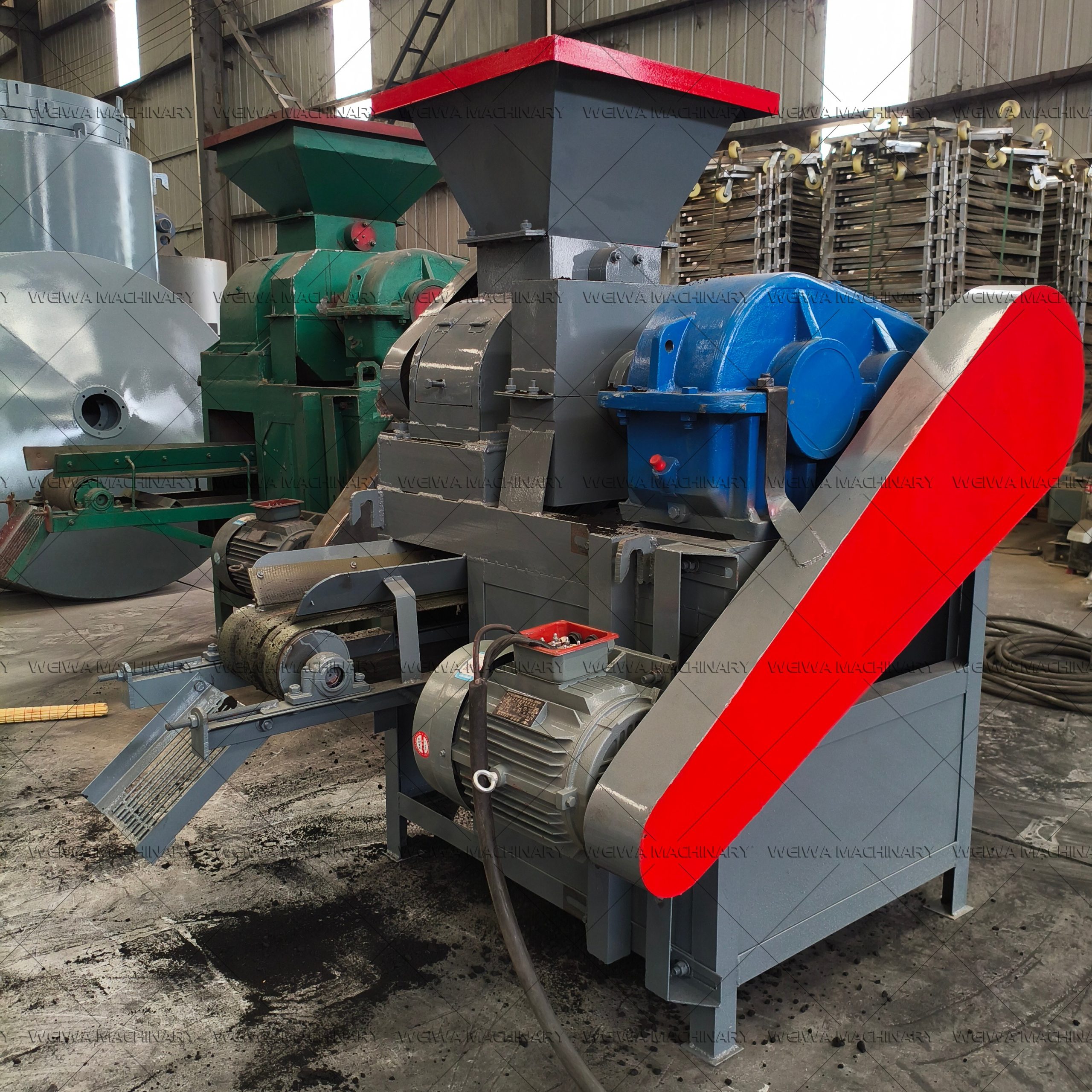
The trial spanned three days, during which we produced over 2 tons of briquettes using locally sourced materials. From the outset, the charcoal ball press machine demonstrated robust startup performance. The hydraulic unit reached working pressure within seconds, and the feeding auger distributed material evenly into the compression chamber.
Material Feeding and Preparation
Brazilian biomass often contains fine particles mixed with fibrous strands. Our machine’s twin screw feeder handled this heterogeneity effectively, preventing clogging and ensuring continuous flow. Operators noted that the feeding rate could be adjusted intuitively via the control panel, allowing fine tuning based on real time observations.
Compression and Briquette Formation
During compression, the machine applied steady force to form cylindrical briquettes measuring 50 mm in diameter. The briquettes exhibited uniform density and smooth finishes, with no visible cracks or surface defects. This consistency is vital for downstream applications such as barbecue fuel or industrial furnace feedstock.
We measured briquette durability by drop tests from 1.5 meters height. Over 95% of samples remained intact, confirming strong internal cohesion. Calorific value testing revealed energy content comparable to commercial lump charcoal, making the product viable for both household and commercial use.
Operational Efficiency and Maintenance
Throughout the trial, the charcoal ball press machine operated at 85% of its rated capacity without overheating or vibration anomalies. Power consumption averaged 11 kWh per ton of briquettes, aligning with our design benchmarks for energy efficient ball briquette machines.
Maintenance checks included lubrication of moving parts and inspection of wear plates. We observed minimal abrasion given the initial material hardness, suggesting extended service intervals in typical Brazilian operating environments.
Client Feedback and Local Adaptability
The Brazilian client expressed satisfaction with the machine’s ease of operation and briquette quality. They highlighted that the ability to process mixed biomass without extensive preprocessing reduced their production costs significantly. Moreover, the compact footprint of the charcoal ball press machine fit well within their existing workshop layout.
Local operators quickly adapted to the interface, thanks to our multilingual training materials and hands on guidance. The client plans to scale production and explore export opportunities for eco friendly briquettes within Brazil and neighboring countries.
Market Potential for Charcoal Ball Press Machine in Brazil
Brazil’s commitment to reducing greenhouse gas emissions and promoting bioenergy opens substantial prospects for charcoal ball press machines. Government incentives for renewable energy projects and increasing consumer awareness of sustainable products create a favorable ecosystem.
Small and medium enterprises can leverage ball briquette machines to add value to waste streams, creating jobs and reducing open burning of agricultural residues. In urban areas, densified charcoal briquettes offer cleaner alternatives to traditional wood fuels, improving indoor air quality.
Weiwa Machinery sees Brazil as a strategic growth market. Our after sales support, including spare parts supply and remote diagnostics, ensures long term reliability for clients investing in our charcoal ball press machine.
Technical Insights Into Briquette Quality Optimization
Achieving optimal briquette quality involves understanding material characteristics and machine settings. In Brazil, variations in humidity and particle size distribution can affect binding and combustion properties.
Moisture Control
Excess moisture weakens briquette integrity, while overly dry material reduces plasticity. Our trials indicated that maintaining moisture between 8% and 12% yields the best results. Simple solar drying or low temperature air drying can achieve this range economically.
Particle Size Uniformity
Uniform particle size enhances compaction and reduces voids within the briquette. For Brazilian raw materials, screening to remove oversized fragments before feeding improves consistency. Our machine’s design tolerates minor deviations, but preprocessing maximizes output quality.
Binder Selection
While many biomass materials self bind under pressure, adding natural binders like starch or clay in small proportions can further strengthen briquettes. In Brazil, cassava starch offers an accessible option. Our engineers can advise on binder ratios tailored to specific feedstocks.
Environmental and Economic Benefits
Deploying charcoal ball press machines contributes to multiple sustainable development goals. By converting waste into fuel, industries lower disposal costs and mitigate fire hazards associated with loose biomass piles. Communities gain access to affordable, clean cooking fuel, reducing reliance on charcoal produced through unsustainable logging.
Economically, briquette production generates income streams for farmers and processors. The portability of briquettes facilitates trade, enabling producers to reach urban markets efficiently. Our ball briquette machine empowers Brazilian businesses to participate in the green economy while enhancing energy security.
Comparative Advantage of Weiwa Machinery’s Equipment
In a competitive landscape, differentiation comes from proven performance and customer centric innovation. Compared to other charcoal ball press machines, ours offers:
- Higher pressure range for denser briquettes
- Modular components for easy maintenance
- Compliance with international safety standards
- Responsive technical support network spanning multiple continents
Our recent Brazil trial reaffirmed these strengths, with the machine exceeding client expectations in output consistency and energy efficiency.
Future Outlook and Expansion Plans
Building on the success in Brazil, Weiwa Machinery aims to deepen collaboration with local partners. We plan to establish regional service centers to provide faster response times and localized training programs. Additionally, we are developing smart monitoring systems for our charcoal ball press machines, enabling remote performance tracking and predictive maintenance.
As Brazil expands its renewable energy portfolio, we anticipate growing adoption of ball briquette machines across diverse sectors. Our commitment remains to deliver machinery that meets technical excellence and supports environmental stewardship.
Conclusion
The charcoal ball press machine holds transformative potential for Brazil’s biomass utilization and energy landscape. Our trial demonstrated that Weiwa Machinery’s equipment delivers reliable, high quality briquette production adaptable to local conditions. By turning waste into valuable fuel, Brazilian industries can drive economic growth while contributing to a cleaner planet.
We invite businesses and entrepreneurs in Brazil to explore how our charcoal ball press machine can elevate their operations. With proven technology, dedicated support, and a focus on sustainability, Weiwa Machinery is ready to partner in building a greener future.
For more details on our briquette making machine, visit https://crushmixplant.com/briquette-machines/briquette-making-machine.html.
About Weiwa Machinery
Weiwa Machinery is a leading manufacturer of industrial equipment specializing in crushing, mixing, and briquette production machinery. With decades of experience and a global presence, we provide innovative solutions tailored to customer needs. Our product range includes charcoal ball press machines, ball briquette machines, crushers, mixers, and complete production lines. Committed to quality and sustainability, we support clients worldwide in achieving efficient, eco friendly manufacturing processes.