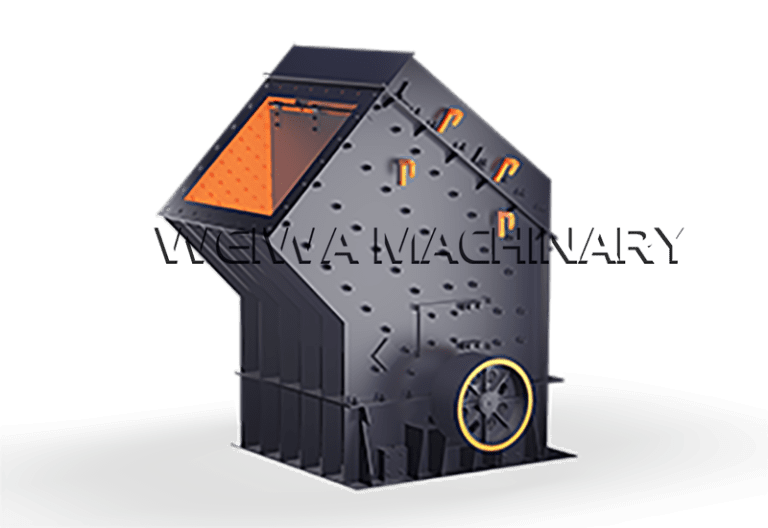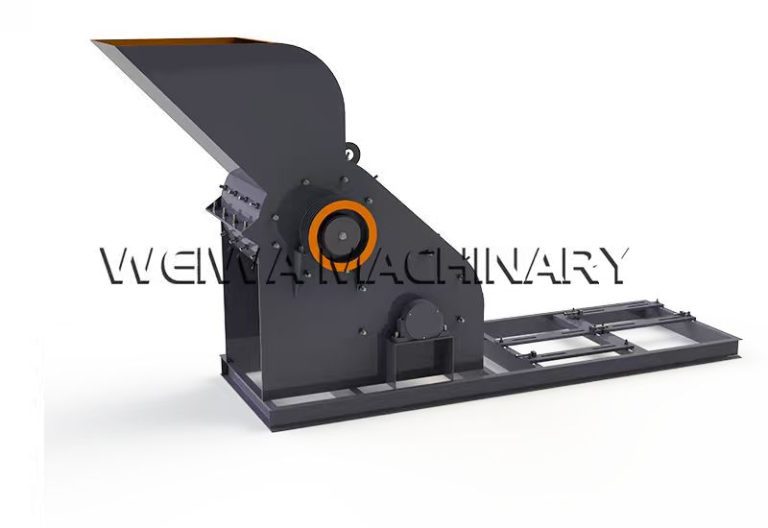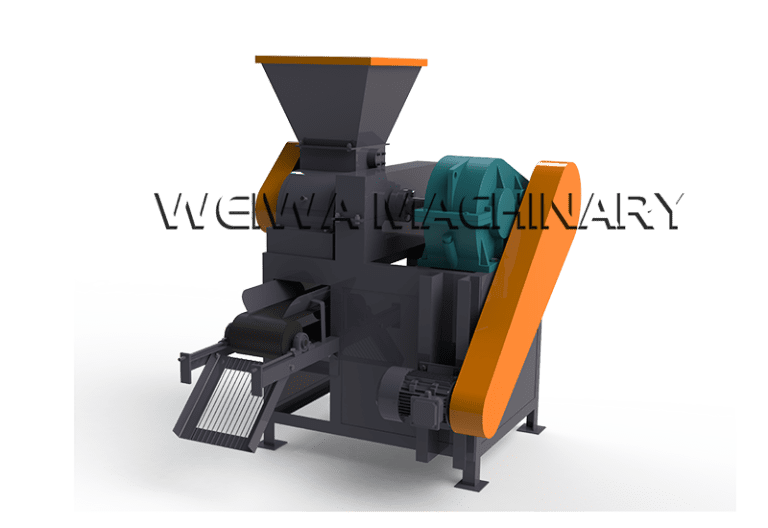
In recent years, Southeast Asia has emerged as one of the most dynamic regions for biomass energy development, driven by rising environmental awareness, government incentives for renewable fuels, and the abundance of agro-waste raw materials. At Weiwa Machinery, we recently received an exciting inquiry from a client in Malaysia who required a custom large Ball Charcoal Briquettes Machine capable of high-volume production. This project not only reflects our technical strength but also highlights the vast potential of ball briquette machines across Southeast Asia.
Understanding the Ball Charcoal Briquettes Machine
A Ball Charcoal Briquettes Machine is a type of mechanical equipment designed to compress powdered or granular carbonaceous materials into dense, solid briquettes with specific shapes—typically spheres or cylinders. These briquettes are widely used as clean-burning fuel alternatives to traditional firewood and coal, especially in households, restaurants, and industrial boilers.
The core function of a ball briquette machine lies in applying high pressure to bind loose biomass particles without the need for chemical adhesives. The natural lignin present in materials like sawdust, coconut shells, rice husks, or palm kernel shells acts as a binder when heated and compressed. This makes the process both eco-friendly and cost-efficient.
Key Components of a Charcoal Ball Press Machine
To appreciate how a charcoal ball press machine works, it helps to understand its main components:
- Feeding System: Ensures uniform distribution of raw material into the compression chamber.
- Hydraulic or Mechanical Pressure Unit: Generates the force needed to compact materials into briquettes.
- Mold Set: Determines the shape and size of the final briquette; customizable based on client needs.
- Control Panel: Allows operators to adjust pressure, speed, and other parameters for optimal output.
- Discharge Conveyor: Transports finished briquettes away from the machine for cooling or packaging.
At Weiwa Machinery, we design each ball press machine with durability and precision, using high-grade alloy steel for wear resistance and long service life. Our engineering team tailors mold dimensions and pressure settings according to the characteristics of local raw materials in markets such as Malaysia.
The Science Behind Making Charcoal Balls
Making charcoal balls involves more than just pressing powder into shape. It is a carefully controlled process that ensures density, combustion performance, and moisture resistance. The quality of the briquette depends on several factors:
- Raw Material Preparation: Materials must be carbonized (if starting from raw biomass) and then ground into fine powder with consistent particle size. For example, coconut shell charcoal is prized for its high calorific value and low ash content, making it ideal for premium briquettes.
- Moisture Control: Excess moisture prevents proper binding and leads to fragile briquettes. We recommend drying the powder to around 8–12% moisture before feeding it into the ball briquette machine.
- Pressure and Temperature: Adequate pressure ensures tight compaction, while slight heating can soften lignin for better adhesion. Our machines use hydraulic systems capable of exerting up to 300 MPa, producing briquettes with densities exceeding 1.2 g/cm³.
- Cooling and Storage: Freshly pressed briquettes are soft and need cooling to harden fully. Proper storage protects them from humidity, which could cause cracking.
By mastering these steps, Weiwa Machinery helps clients achieve stable, high-quality output from their Ball Charcoal Briquettes Machine.
A Glimpse into the Complete Briquette Production Line
While the charcoal ball press machine is the centerpiece, efficient large-scale production requires a full briquette production line. This integrated system maximizes productivity and minimizes labor costs. Let’s walk through the typical stages:
Raw Material Collection and Carbonization
Biomass waste such as palm empty fruit bunches (EFB), sawdust, corn cobs, or bamboo chips are collected and carbonized in kilns to produce charcoal. Weiwa offers custom-designed carbonizers that optimize heat recovery and reduce emissions.
Crushing and Grinding
The charcoal is crushed into smaller chunks and then ground into fine powder. Our crushers and grinders are adjustable for different input sizes and output fineness, ensuring compatibility with the press machine.
Mixing and Drying
If necessary, additives like starch or lime may be mixed in small quantities to enhance binding. A rotary dryer lowers the moisture content to the ideal range. Energy-efficient designs help cut operational expenses.
Briquetting
Here, the prepared powder enters the Ball Charcoal Briquettes Machine. Our large models for the Malaysian client can produce up to 3 tons per hour, depending on material and briquette size. The hydraulic press ensures uniform density and smooth surface finish.
Cooling and Packaging
After pressing, briquettes pass through a cooling conveyor. Automated packaging machines then bag them for retail or bulk shipment. Weiwa provides modular packaging units that integrate seamlessly with existing lines.
This end-to-end approach enables our clients to scale from pilot projects to commercial plants with minimal downtime. For the Malaysia order, we supplied not only the press machine but also layout drawings and training for local technicians.
A Booming Market for Ball Briquette Machines
The demand for Ball Charcoal Briquettes Machines in Southeast Asia is surging due to multiple drivers:
- Abundant Biomass Resources: Countries like Indonesia, Thailand, Vietnam, and Malaysia generate vast amounts of agricultural and forestry residues annually. Palm oil industries alone produce millions of tons of EFB and shell waste.
- Environmental Policies: Governments are phasing out open burning and promoting cleaner cooking fuels. In Malaysia, initiatives such as the National Biofuel Policy encourage investment in biomass energy.
- Rising Urbanization and Energy Needs: As cities expand, so does the need for affordable, reliable energy. Briquettes offer a viable substitute for LPG in rural kitchens and for coal in small industries.
- Export Opportunities: High-quality charcoal briquettes made in Southeast Asia are increasingly exported to Europe, Japan, and the Middle East, where premium smokeless fuel is valued.
For equipment suppliers, this means a growing customer base seeking robust, efficient, and easy-to-maintain ball press machines. Customization is key because raw material types and production scales vary widely. Some clients prioritize portability for mobile units, while others, like our Malaysian partner, require heavy-duty stationary presses for factory-scale output.
Weiwa Machinery has responded to this trend by expanding our Southeast Asian presence, establishing partnerships with local distributors, and offering multilingual technical support. Our Ball Charcoal Briquettes Machine for Malaysia and neighboring countries is built to handle tropical climate conditions, with corrosion-resistant coatings and enhanced cooling systems.
Custom Large Ball Press Machine for Malaysia
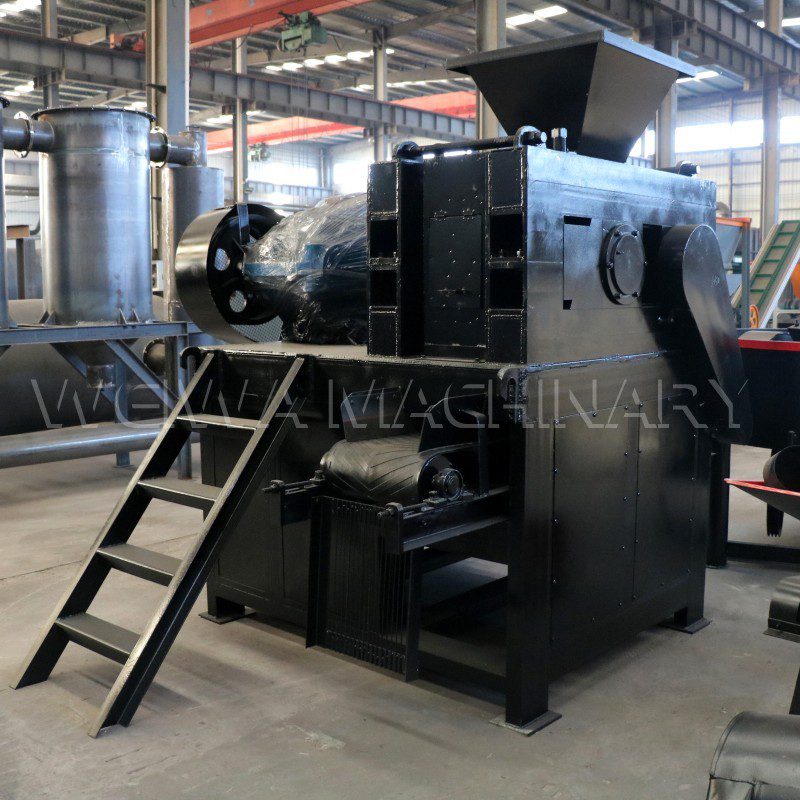
Our recent collaboration with a Malaysian biofuel producer illustrates how tailored engineering solves real-world challenges. The client operated a medium-sized plant producing 1.5 tons of charcoal powder daily but lacked a press capable of meeting rising orders. They approached Weiwa Machinery for a custom large Ball Charcoal Briquettes Machine with the following requirements:
- Capacity above 2.5 tons/hour
- Briquette diameter of 45 mm for compatibility with existing burners
- Ability to process coconut shell and palm kernel shell charcoal blends
- Remote diagnostic capability for maintenance support
Our R&D team conducted material tests to determine optimal pressure and moisture thresholds. We proposed a dual-mode hydraulic press with variable speed control, allowing the operator to switch between high-speed production and precision mode for special orders. The machine frame was reinforced to handle continuous operation in a humid environment.
Additionally, we provided a full set of design drawings for workshop layout, including material flow paths, utility connections, and safety zones. Our installation team supervised commissioning onsite, trained staff on operation and troubleshooting, and left detailed manuals and video guides.
Since startup, the client has increased output by 70%, reduced waste by 15% due to fewer rejects, and expanded into export markets. Feedback highlights the machine’s reliability and the responsiveness of our after-sales team—a testament to Weiwa’s commitment to long-term partnerships.
Why Choose Weiwa Machinery for Your Ball Briquette Machine Needs?
With over 30 years of experience in manufacturing briquetting equipment, Weiwa Machinery stands out as a trusted name in the industry. Our strengths include:
- Expertise Across Markets: From small artisanal units to industrial giants, we have supplied machines to over 50 countries, adapting designs to local raw materials and climates.
- Professional After-Sales Service: Our dedicated support team provides remote assistance, spare parts supply, and onsite repairs to minimize downtime.
- Customized Solutions: We believe no two projects are identical. Our engineers work closely with clients to develop bespoke machines, production lines, and site plans.
- Design Drawings and Site Planning: Before delivery, we create detailed layouts showing equipment placement, workflow, and infrastructure needs, helping clients visualize and optimize their plant.
Whether you are exploring making charcoal balls for local energy needs or planning a large export-oriented facility, Weiwa Machinery has the knowledge and resources to bring your vision to life. Contact us via https://crushmixplant.com/briquette-machines/briquette-making-machine.htmlto request an inquiry or consultation.
Conclusion
The journey of making charcoal balls from waste to wealth represents a powerful intersection of sustainability and industry. In Southeast Asia, where natural resources and energy demands align perfectly, the Ball Charcoal Briquettes Machine is poised to play a transformative role. Our project in Malaysia demonstrates how customization, technical excellence, and attentive service can unlock new growth for biofuel producers.
As Weiwa Machinery continues to innovate and expand, we remain committed to empowering businesses with reliable, efficient, and eco-friendly briquetting solutions. The future of biomass energy is bright—and with the right equipment, it is within reach.
Let us help you build that future. Reach out today to learn more about our Ball Charcoal Briquettes Machine for Malaysia and discover how we can support your success in Southeast Asia’s thriving market.
Email:[email protected]