As global demand for sustainable and renewable energy sources continues to grow, biomass solutions such as charcoal briquettes are gaining significant traction across emerging markets. Among these, Myanmar stands out with its abundant agricultural residues and increasing focus on eco-friendly fuel alternatives. At Weiwa Machinery, we are proud to contribute to this green shift by delivering state-of-the-art Ball Charcoal Briquettes Machines and complete charcoal ball press machine production lines tailored to meet local needs.
Recently, our team successfully completed another overseas delivery, shipping a full set of charcoal briquette machinery to Myanmar.
Understanding the Rising Demand for Charcoal Briquettes in Myanmar
Myanmar, with its rich forestry resources and extensive agricultural activities, generates large volumes of biomass waste including rice husks, sawdust, groundnut shells, and coconut shells. Traditionally, much of this biomass has been underutilized or burned openly, contributing to air pollution and economic inefficiency. However, growing environmental awareness and the rising cost of fossil fuels have sparked interest in alternative energy sources like charcoal briquettes.
The use of charcoal briquettes offers several advantages over firewood and loose charcoal. They burn longer, produce less smoke, and are easier to store and transport. For households, restaurants, and industrial users in Myanmar, switching to briquettes means both financial savings and reduced carbon footprints. This transition also opens up new business opportunities for entrepreneurs who can process raw biomass into high quality charcoal balls using efficient machinery such as a charcoal ball press machine.
The Role of Charcoal Ball Press Machines in Biomass Utilization
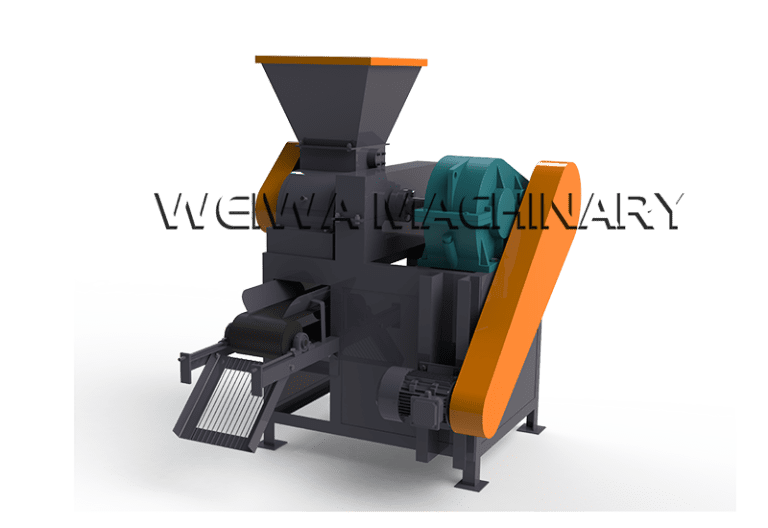
At the heart of any modern charcoal production operation lies the charcoal ball press machine. Also referred to as a charcoal briquette machine or ball charcoal briquettes machine, this equipment compresses powdered biomass into dense, solid briquettes that are uniform in shape and size. The pressing action not only densifies the material but also enhances combustion characteristics, making the final product highly suitable for various heating applications.
A typical charcoal ball press machine operates through a combination of mechanical pressure and sometimes heat, depending on the model. Raw materials are first carbonized to convert them into charcoal powder. Binders may be added to improve cohesion during pressing. The mixture is then fed into the machine where hydraulic or mechanical rams apply high pressure to form briquettes—most commonly in pillow, oval, or rod shapes.
What makes a charcoal ball press machine particularly valuable in Myanmar is its ability to handle locally available feedstock. Whether it is rice husk charcoal, sawdust, or other agro-waste, the machine transforms low-cost inputs into profitable outputs. Moreover, compact models are available for small scale producers, while industrial-grade units support large volume manufacturing, offering scalability to match diverse business plans.
Inside a Charcoal Ball Press Machine Production Line
While a single charcoal ball press machine can produce briquettes, maximizing output and ensuring consistent quality requires a well-integrated production line. A standard setup includes several stages: crushing, drying, carbonizing, mixing, pressing, and packaging. Each component plays a critical role in maintaining efficiency and product standards.
Crushing and Sieving
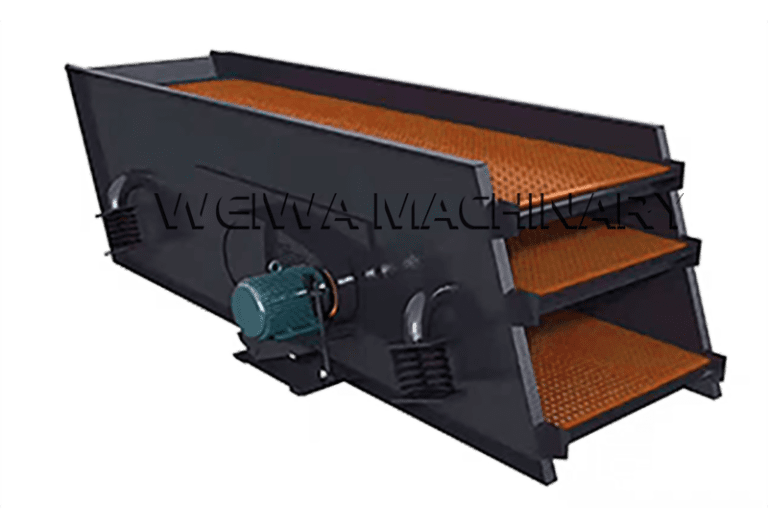
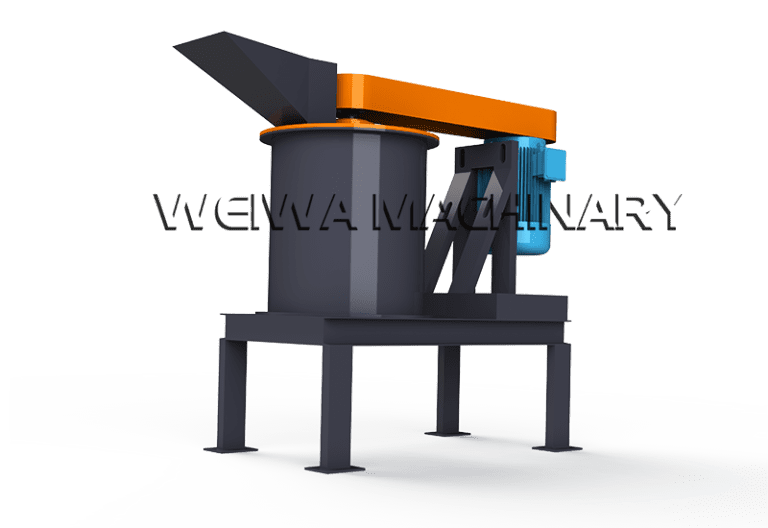
Biomass raw materials often come in irregular sizes and moisture contents. Crushers reduce large pieces into fine particles suitable for further processing. Sieves ensure uniformity, removing oversized fragments that could damage downstream equipment.
Drying System
Moisture content significantly affects briquette quality. Excessive water prevents proper binding and leads to fragile products. Rotary dryers or belt dryers lower moisture levels to the optimal range, typically below 10%, preparing the material for carbonization.
Carbonization Kiln
Carbonization converts biomass into charcoal through controlled pyrolysis. This step is essential to remove volatile compounds and enhance calorific value. Kilns used in the charcoal ball press machine production line can be batch type or continuous, depending on throughput requirements.
Mixing with Binding Agents
Although some biomass chars bind naturally, adding small quantities of starch, clay, or lignin improves durability. Mixers ensure even distribution of binders throughout the charcoal powder, which directly influences briquette strength.
Briquette Forming
Here the core equipment, the charcoal ball press machine, takes over. Depending on design, machines may use screw feeding mechanisms or hydraulic cylinders to compress the mixture into briquettes. Adjustable dies allow manufacturers to control briquette dimensions based on end-user preferences.
Cooling and Packaging
Freshly pressed briquettes retain heat and must be cooled before handling. Conveyor systems transfer them to cooling zones. Once at ambient temperature, automated bagging machines package the charcoal balls for retail or wholesale distribution.
This seamless integration of equipment ensures minimal waste, reduced labor dependency, and high productivity—key considerations for businesses operating in Myanmar’s evolving market.
Why Myanmar Is Poised for Growth in Charcoal Ball Production?
Several factors converge to make Myanmar an attractive destination for deploying charcoal briquette technology. First, the country’s agricultural economy generates vast amounts of residue that can serve as feedstock. Second, urban migration and population growth drive up energy consumption, increasing reliance on clean cooking fuels. Third, government initiatives promoting renewable energy align with international climate goals, creating a favorable policy backdrop.
For local enterprises, investing in a charcoal ball press machine enables value addition to waste streams, fostering circular economy practices. Additionally, export potential exists as neighboring countries face similar energy challenges and seek reliable suppliers of eco-friendly fuel. Entrepreneurs who adopt efficient machinery from experienced providers like Weiwa Machinery position themselves at the forefront of this transformation.
Another compelling aspect is affordability. Smallholder farmers and cooperatives can pool resources to acquire compact briquette units, enabling decentralized production models. Training programs and technical support further empower communities to sustain operations independently, enhancing socioeconomic resilience.
Overcoming Challenges in Making Charcoal Balls in Myanmar
Despite promising prospects, there are hurdles to address. Supply chain reliability for spare parts and maintenance services can impact uptime if not properly managed. Variations in feedstock quality require adaptive processing techniques to maintain consistent briquette performance. Furthermore, customer education is necessary to build trust in briquette adoption over traditional fuels.
This is where Weiwa Machinery’s expertise becomes invaluable. With over thirty years of experience designing and manufacturing briquette equipment, we understand the nuances of different operating environments. Our professional after-sales team ensures rapid response to technical issues, minimizing disruptions. We also offer customized service packages, including design drawings and site planning, to help clients optimize layout and workflow according to their specific space and capacity needs.
Our recent shipment to Myanmar included not just machinery but comprehensive installation guidance and operator training. By empowering local teams with knowledge and skills, we foster long-term success and sustainability of charcoal ball projects.
Highlighting Key Features of Weiwa Ball Charcoal Briquettes Machines
When selecting a supplier for a charcoal ball press machine, reliability, efficiency, and adaptability are paramount. Weiwa Machinery integrates advanced engineering with practical features that address real-world production demands.
Our machines employ robust construction materials capable of withstanding continuous operation in dusty and humid conditions typical of Myanmar. Precision-engineered rollers and dies guarantee uniform briquette density, reducing breakage during transport. Energy-efficient motors lower operational costs, an important consideration for cost-sensitive markets.
Automation options enable precise control over pressing parameters, ensuring repeatability and reducing human error. Safety interlocks protect operators, while quick-change die systems facilitate swift transitions between briquette formats. These attributes collectively enhance productivity and return on investment for Myanmar clients.
Moreover, our commitment to customization means we can tailor machine capacities, dimensions, and configurations to suit individual project scopes. Whether establishing a pilot plant or scaling to industrial levels, Weiwa delivers solutions aligned with business objectives.
Real World Impact of Deploying Charcoal Briquette Lines in Myanmar
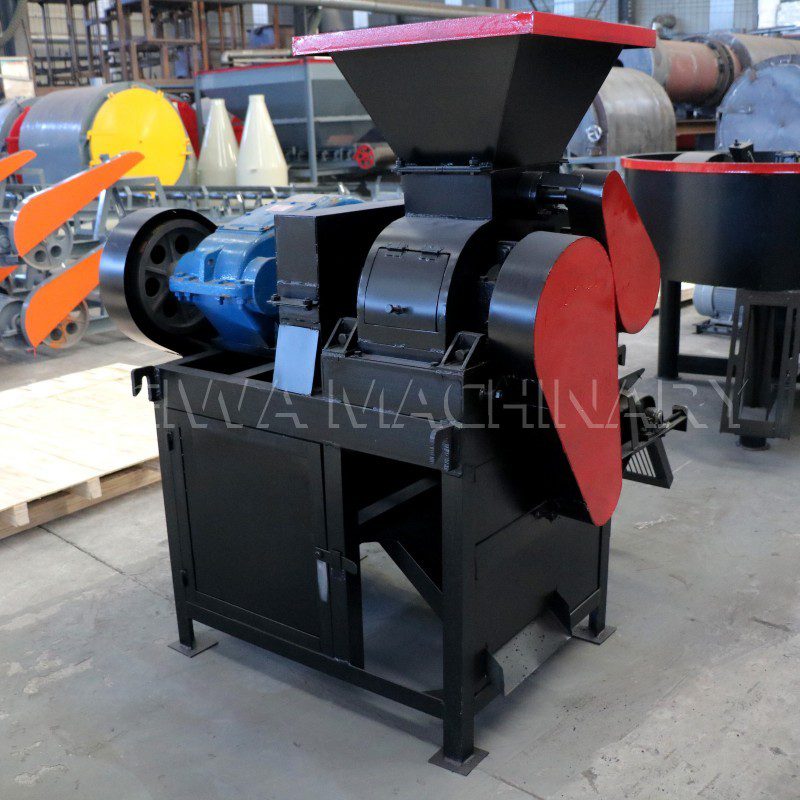
Businesses that have adopted Weiwa’s charcoal ball press machine systems report multiple benefits. One client in Mandalay replaced inefficient charcoal kilns with a full briquette production line, doubling output while cutting fuel costs by 40%. Another enterprise in Yangon diversified its product range to include branded charcoal balls sold in supermarkets, tapping into urban consumer demand for convenient and clean cooking fuel.
These cases illustrate how technology transfer supported by reliable machinery transforms biomass from waste into wealth. Communities benefit from improved air quality, job creation, and enhanced energy security. As more stakeholders recognize these advantages, the momentum for making charcoal balls in Myanmar will continue to build.
Embracing Sustainability Through Innovation
Sustainability is no longer a niche concept but a business imperative. Charcoal briquettes produced via modern charcoal ball press machines represent a convergence of environmental stewardship and economic viability. By leveraging local resources efficiently, Myanmar can reduce deforestation, mitigate greenhouse gas emissions, and stimulate rural development.
Weiwa Machinery remains dedicated to advancing this vision. Our R&D efforts focus on refining machine performance, exploring alternative binder technologies, and integrating digital monitoring to predict maintenance needs proactively. Such innovations ensure our clients stay competitive in a rapidly changing landscape.
Partner with Weiwa Machinery for Your Charcoal Briquette Journey
With over three decades of industry leadership, Weiwa Machinery has earned a reputation for excellence in manufacturing charcoal briquette machinery and complete production lines. Our portfolio includes Ball Charcoal Briquettes Machines, charcoal ball press machines, and turnkey systems designed for diverse scales of operation.
We understand that every project is unique. That’s why we provide personalized consulting, detailed design drawings, and site planning services to help you achieve smooth implementation. Our professional after-sales team is always ready to assist with installation, commissioning, training, and ongoing support, ensuring your operations run without interruption.
If you are considering entering the charcoal briquette sector or expanding your footprint in Myanmar, we invite you to contact us for inquiries and quotations. Let Weiwa Machinery be your trusted partner in building a cleaner, greener future through innovative biomass solutions.
Reach out today and discover how our expertise in making charcoal balls can unlock new opportunities for your business in Myanmar and beyond.