Introduction
Vietnam stands at a pivotal moment in its sustainable development journey, grappling with the dual pressures of rapid urbanization and escalating waste generation. As the nation strives to align with global circular economy goals, the need for advanced, adaptable waste processing technologies has never been more urgent. At Weiwa Machinery, we have witnessed firsthand how our comprehensive crushers are reshaping Vietnam’s recycling sector—transforming heterogeneous waste streams into valuable resources while addressing the limitations of conventional equipment. This blog delves into the science of comprehensive crushers, their tailored applications in Vietnam’s unique waste landscape, and compelling evidence from field trials that underscore their efficacy.
Understanding Comprehensive Crushers
To appreciate the role of comprehensive crushers in Vietnam, it is essential to first demystify their design philosophy and operational advantages. Unlike traditional crushers, which are often optimized for a single material type, comprehensive crushers embody versatility, integrating multiple crushing mechanisms into a unified system capable of handling diverse inputs with minimal adjustments.
What Defines a Comprehensive Crusher?
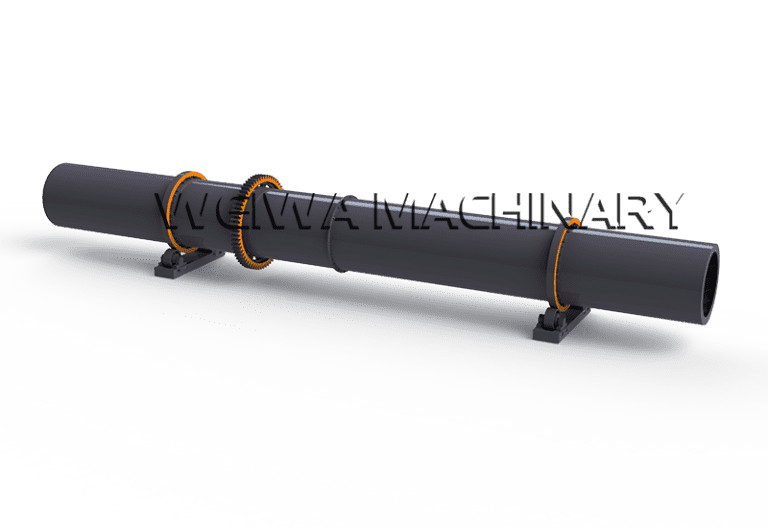
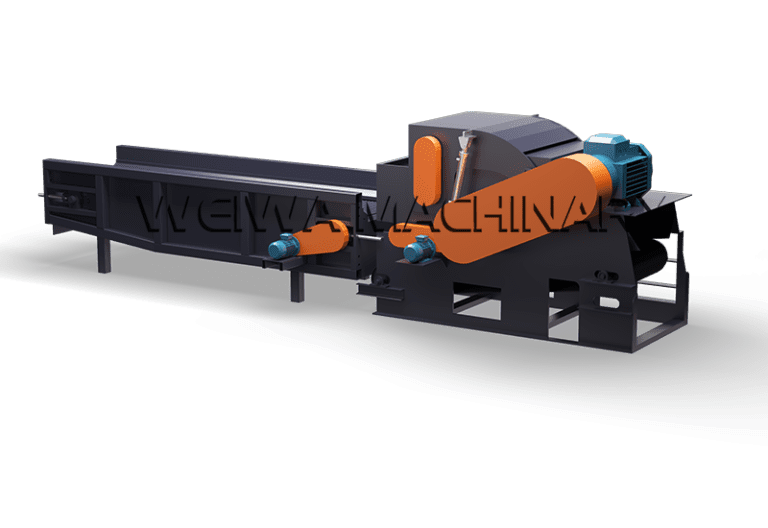
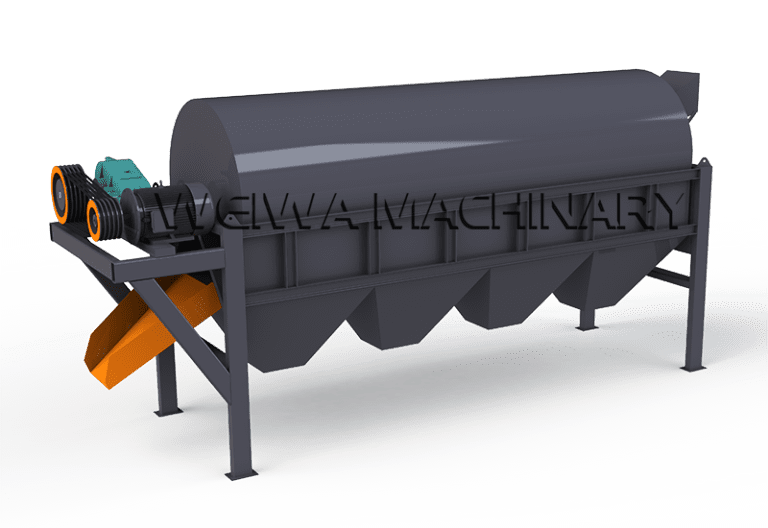
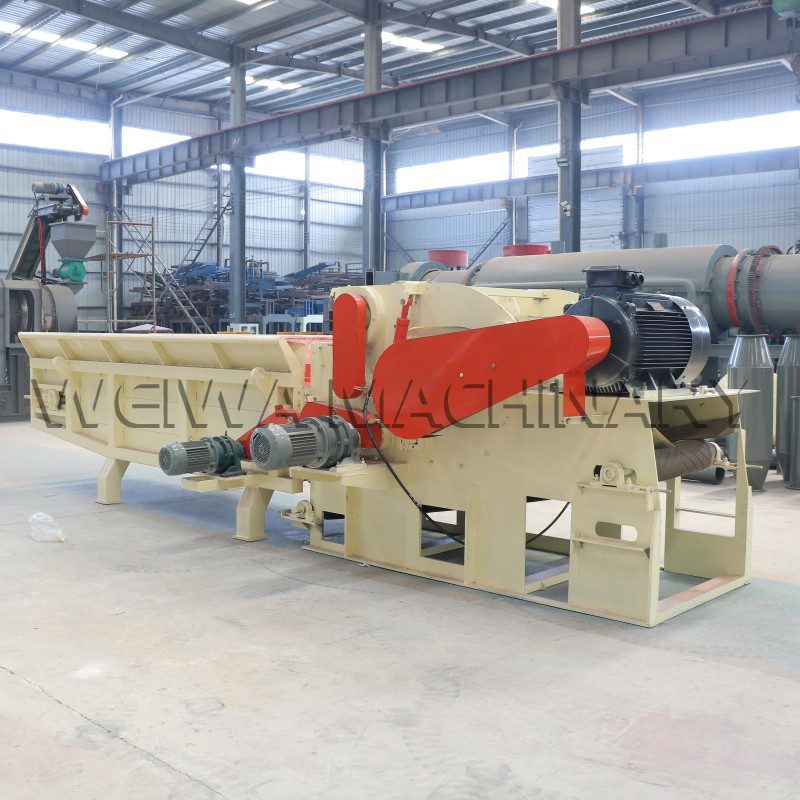
A comprehensive crusher is engineered to process a broad spectrum of materials—from brittle concrete and rigid plastics to fibrous agricultural residues and metallic scraps—through a combination of shearing, impact, and grinding actions. Its core strength lies in adaptability: interchangeable components such as blades, hammers, and screens allow operators to reconfigure the machine for specific tasks without extensive downtime. For instance, when processing construction debris, heavy-duty hammers pulverize concrete and bricks, while a finer screen ensures uniform aggregate output. When switched to plastic waste, sharp-edged blades slice through PET bottles and HDPE containers, producing flakes suitable for recycling. This multifunctionality eliminates the need for multiple specialized crushers, reducing capital expenditure and floor space requirements—a critical advantage for Vietnam’s often space-constrained facilities.
Why Vietnam’s Waste Landscape Demands Versatility?
Vietnam’s waste profile is a microcosm of its economic diversity. Urban centers like Ho Chi Minh City and Hanoi generate over 8,000 tons of municipal solid waste daily, with plastics accounting for 12–15% of this volume. Meanwhile, rural regions, particularly the Mekong Delta, produce vast quantities of agricultural residues such as rice husks, corn stalks, and sugarcane bagasse—materials traditionally burned or left to decompose, contributing to air pollution and greenhouse gas emissions. The construction sector adds another layer of complexity, generating 15 million tons of demolition waste annually, much of which ends up in landfills due to inefficient processing. Traditional crushers, designed for narrow material ranges, struggle with this heterogeneity. They require frequent part changes, suffer from reduced efficiency when faced with mixed loads, and often fail to meet Vietnam’s tightening environmental standards for dust and noise. Comprehensive crushers directly address these pain points, offering a single solution for Vietnam’s multifaceted waste challenges.
Comprehensive Crusher Applications in Vietnam
The adaptability of comprehensive crushers has unlocked transformative applications across Vietnam’s key industries. From turning construction rubble into reusable aggregates to converting agricultural waste into biomass fuel, these machines are proving indispensable in closing resource loops.
Processing Construction and Demolition Waste
Vietnam’s construction boom, driven by infrastructure projects and urban expansion, has made construction and demolition waste (CDW) a pressing concern. Historically, CDW has been landfilled or illegally dumped, squandering valuable materials like concrete, bricks, and asphalt. Comprehensive crushers change this paradigm by reducing CDW to standardized aggregates that can be reused in road base, concrete production, or landscaping. In Hanoi, a recycling facility partnered with Weiwa Machinery to deploy a comprehensive crusher capable of processing 500mm-diameter concrete chunks. Within six months, the facility reported a 40% increase in aggregate output, with the crushed material meeting Vietnamese building code specifications. This not only diverted 10,000 tons of CDW from landfills but also created a revenue stream by selling aggregates to local contractors. The machine’s ability to handle mixed CDW—including rebar fragments and ceramic tiles—further streamlined operations, eliminating the need for pre-sorting.
Managing Agricultural Residues for Bioenergy
In the Mekong Delta, agriculture is both the backbone of the economy and a major source of waste. Rice husks, coconut shells, and corn cobs, once discarded, now represent untapped potential for bioenergy. However, their bulkiness and low density pose logistical challenges. Comprehensive crushers address this by reducing residue volume by up to 70%, making transportation to biomass power plants economically viable. A client in Can Tho, operating a 2MW biomass plant, integrated a Weiwa comprehensive crusher to process 5 tons/hour of rice husks. The crushed material, with a uniform particle size of 20–50mm, burned more efficiently in the plant’s boilers, increasing energy output by 15%. Additionally, the crusher’s ability to handle wet residues—common during monsoon seasons—prevented processing delays, ensuring a steady supply of feedstock. This success story illustrates how comprehensive crushers bridge the gap between agricultural waste and renewable energy, supporting Vietnam’s goal of sourcing 15% of its energy from renewables by 2030.
Enhancing Plastic and E-Waste Recycling
With plastic consumption rising by 16% annually, Vietnam faces a mounting crisis of post-consumer plastic waste. Mixed plastics, often contaminated with food residue or non-recyclables, are difficult to process with conventional shredders. Comprehensive crushers overcome this hurdle through adjustable shear forces and wear-resistant blades that cleanly shred materials like PET bottles, HDPE pipes, and PP packaging. In Ho Chi Minh City, a recycling startup deployed a Weiwa crusher to process 3 tons/hour of mixed plastic waste. The machine’s output—uniform flakes with minimal impurities—was sold to manufacturers producing recycled plastic lumber and textiles, fetching a 25% premium over unprocessed waste. Similarly, e-waste processors have adopted comprehensive crushers to dismantle circuit boards and extract metals, with the crusher’s magnetic separator option further enhancing recovery rates. These applications highlight the machine’s role in curbing plastic pollution and promoting a circular economy for electronics.
Real-World Performance Insights
To validate the capabilities of our comprehensive crushers in Vietnam’s conditions, we conducted rigorous field trials in partnership with local waste management firms. These tests provided empirical data on efficiency, durability, and user-friendliness, offering a transparent view of the machine’s performance.
Case Study: Da Nang Industrial Park Partnership
One of the most telling trials took place at a waste management facility in Da Nang Industrial Park, a hub for manufacturing and logistics. The client, tasked with processing 300 tons/day of mixed waste—including construction debris, plastic films, and agricultural waste—faced chronic inefficiencies with their existing crushers. We deployed the Weiwa WCP-800 comprehensive crusher, designed for 800kg/hour throughput, and monitored its performance over 30 days.
The results were striking. The crusher achieved a 92% material reduction rate in a single pass, with oversized particles comprising less than 5% of the output—far superior to the client’s previous equipment, which required two passes and still yielded 15% oversized material. Energy consumption averaged 45kW/hour, 18% lower than the old system, thanks to the crusher’s variable frequency drive (VFD) motor that adjusts power based on material load. Uptime exceeded 98%, a testament to the machine’s robust construction and easy maintenance; components like blades and screens could be replaced in under an hour, minimizing downtime.
Plant Manager Mr. Tran Van Hai reflected on the impact: “Before the Weiwa crusher, we spent hours adjusting settings for different materials and dealing with breakdowns. Now, it handles everything from concrete blocks to soft plastic films seamlessly. The training provided by Weiwa’s team was invaluable—our operators feel confident managing the machine independently.” This feedback underscores the importance of combining advanced technology with user-centric support, a hallmark of Weiwa Machinery’s approach.
Why Weiwa Machinery Is the Partner of Choice for Vietnamese Clients?
Selecting a crusher supplier involves more than evaluating technical specs; it requires a partner that understands local challenges and prioritizes long-term success. At Weiwa Machinery, we have built our reputation in Vietnam by embedding ourselves in the market and tailoring our solutions to client needs.
Our localized support network is a key differentiator. We operate a service center in Hanoi staffed with Vietnamese-speaking technicians, ensuring rapid response times for maintenance and repairs—critical in a country where delays can disrupt entire operations. Additionally, our engineering team collaborates with clients to customize crusher configurations, whether that means adding a magnetic separator for e-waste or reinforcing blades for abrasive materials like glass. This bespoke approach has earned us partnerships with clients ranging from small recycling startups to multinational corporations.
Sustainability is another cornerstone of our philosophy. All Weiwa comprehensive crushers comply with EU CE standards, featuring low-emission engines and recyclable components. We also provide guidance on integrating crushers into broader waste-to-resource systems, helping clients maximize value from their outputs. For instance, we assisted a client in Hai Phong in designing a system where crushed CDW aggregates were used in local road construction, creating a closed-loop model that minimized waste and transportation costs.
Driving Vietnam’s Circular Economy with Reliable Crushing Technology
Vietnam’s transition to a circular economy hinges on its ability to transform waste from a liability into an asset. Comprehensive crushers are not merely machines; they are catalysts for this transformation, enabling businesses to unlock value from materials once deemed worthless. At Weiwa Machinery, we take pride in being part of this journey, providing the technology and support needed to build a more sustainable future.
Whether you are processing CDW in Da Nang, agricultural residues in the Mekong Delta, or plastics in Ho Chi Minh City, our comprehensive crushers offer the versatility, efficiency, and durability required to thrive in Vietnam’s dynamic market. By choosing Weiwa, you gain more than a machine—you gain a partner committed to your success.
About Weiwa Machinery
Weiwa Machinery is a global leader in manufacturing crushing and recycling equipment, with 15 years of experience serving clients in over 50 countries. Specializing in customized solutions for mining, construction, and waste management, we combine innovative engineering with a deep understanding of local markets. Our comprehensive crushers are designed to meet the highest standards of performance and sustainability, backed by a global service network and dedicated customer support.
For inquiries about our comprehensive crushers or to discuss your specific needs, contact us today:
- Email: [email protected]
- Phone: +86 18439853888
Join us in shaping a world where waste becomes worth.