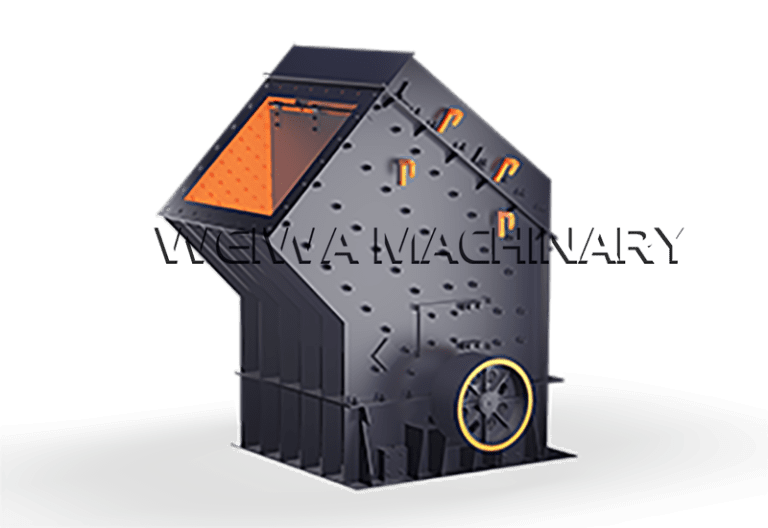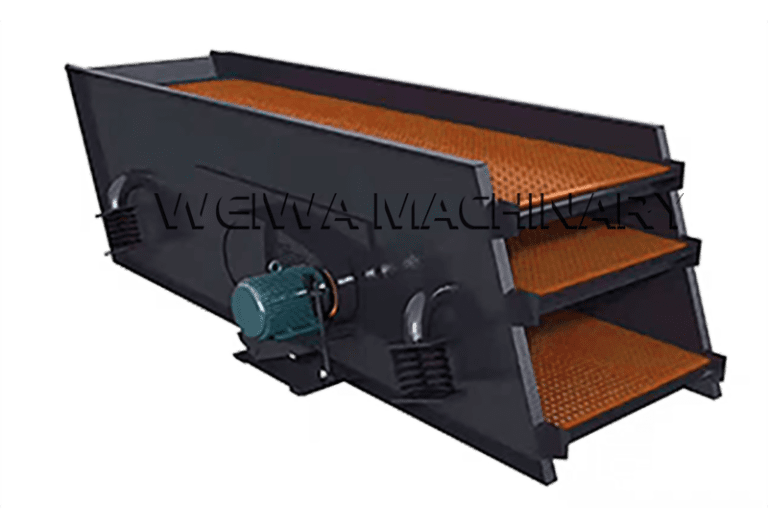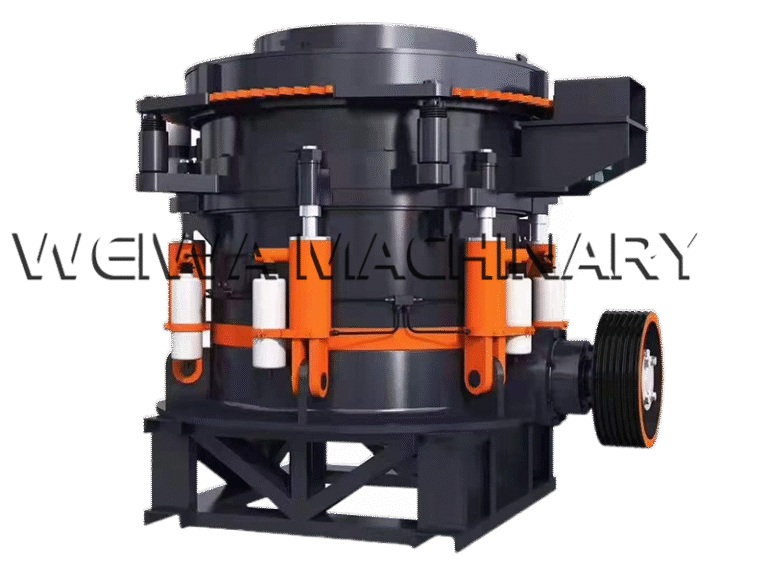
In the rugged terrain of Nepal, where infrastructure development meets challenging geological conditions, the demand for reliable, efficient, and cost-effective crushing equipment has never been greater. From the bustling construction sites of Kathmandu to the remote mining operations in the Himalayan foothills, hammer crushers have emerged as a vital solution for processing diverse materials. At Weiwa Machinery, we have spent over three decades engineering heavy-duty industrial equipment that performs under pressure, and our recent shipment of hammer crushers to Nepal is a testament to our commitment to global progress.
Understanding the Hammer Crusher
A hammer crusher, also known as a hammer mill, is an impact crusher that uses high-speed rotating hammers to crush, shred, or pulverize materials into smaller, uniform particles. Unlike jaw crushers or cone crushers, which rely on compression, hammer crushers operate through impact, shear, and collision forces. This distinction makes them especially effective for producing fine to medium-sized aggregates in a single pass.
At the heart of the machine lies the rotor, a high-strength alloy steel component that spins at high velocity. Mounted on the rotor are detachable hammers, typically crafted from hardened steel or manganese for superior wear resistance. As raw material enters the crushing chamber, the hammers strike with immense force, shattering the material against a stationary breaker plate or the crusher’s internal liners. The crushed particles continue circulating until they are small enough to pass through a perforated screen or grate at the bottom of the chamber.
This mechanism offers several advantages. First, the high reduction ratio means fewer processing stages, reducing both capital expenditure and energy consumption. Second, the adjustable screen gap allows operators to control final particle size without halting production. Third, the simple structural design minimizes downtime during maintenance—a critical factor for projects in Nepal, where spare parts logistics can be challenging.
Why Nepal’s Market Demands Specialized Crushing Solutions?
Nepal’s geography presents a unique set of challenges and opportunities for material processing. The country’s infrastructure boom, driven by road expansion, hydropower projects, and urban redevelopment, requires vast quantities of aggregates. Simultaneously, the mining sector is exploring deposits of limestone, gypsum, and phosphate, all of which benefit from efficient size reduction technologies.
However, Nepal’s raw materials often vary significantly in hardness, moisture content, and abrasiveness. In the Terai region, softer sedimentary rocks dominate, while the mid-hills and mountainous zones yield harder metamorphic stones. A hammer crusher’s versatility makes it well-suited to this variability. When configured with the correct hammer design and liner material, the same machine can process limestone for cement plants in one district and recycle construction debris in another.
Another critical factor is energy efficiency. Many Nepalese industrial sites face unstable power supplies or rely on diesel generators. Hammer crushers, with their direct-drive systems and optimized rotor dynamics, consume less energy per ton of output compared to multi-stage crushing setups. This efficiency translates into lower operating costs—a decisive advantage in a price-sensitive market.
The Journey from Weiwa’s Factory to a Nepalese Worksite
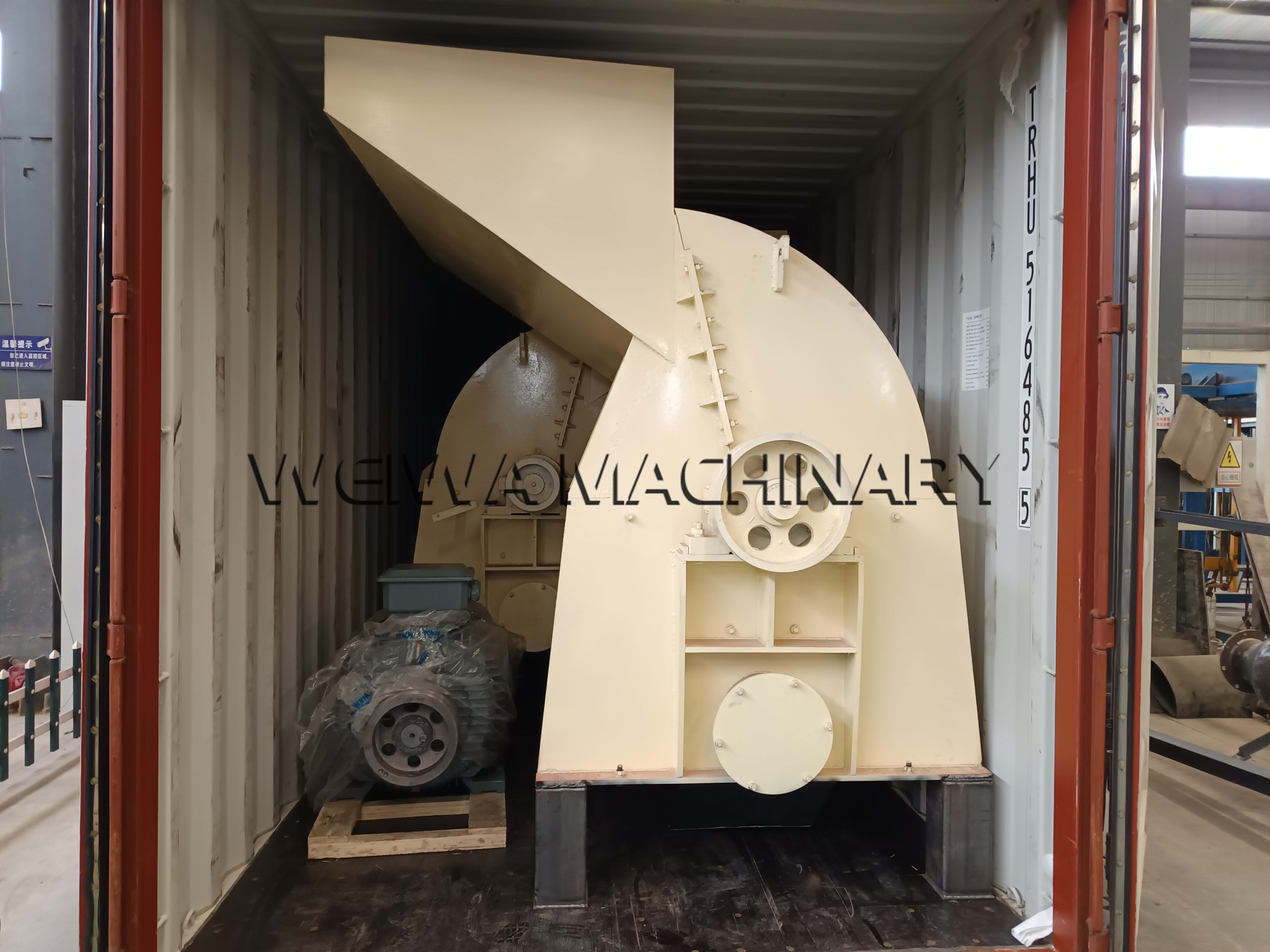
Our recent delivery of hammer crushers to Nepal began with a comprehensive consultation process. Understanding that no two projects are identical, our engineering team reviewed the client’s material samples, target output sizes, and site constraints. Based on this analysis, we recommended a model equipped with manganese hammers, reinforced liners, and a customizable screen system capable of producing aggregates ranging from 5 mm to 40 mm.
Before leaving our Dahuangye Industrial Zone facility in Gongyi City, each crusher underwent rigorous quality assurance testing. Rotors were dynamically balanced, wear parts inspected for metallurgical consistency, and hydraulic adjustment systems calibrated to ensure precise control. Once approved, the machines were carefully disassembled, corrosion-protected, and packed for international transit.
The journey to Nepal involved multiple transport modes, from flatbed trucks crossing the Sino-Nepalese border to off-road haulage reaching remote project sites. Throughout the logistics chain, our team coordinated with local partners to guarantee timely arrival and safe unloading. Upon delivery, our technicians conducted an on-site inspection to verify structural integrity before commissioning began.
On-Site Commissioning and Performance Results
Commissioning a hammer crusher in Nepal requires more than mechanical setup—it demands adaptation to local conditions. During the first phase of operation, we processed locally quarried limestone with moderate moisture content. The material was fed evenly into the crusher via a vibrating feeder, ensuring consistent impact loading on the rotor.
Initial results exceeded expectations. The hammer crusher achieved a throughput of several dozen tons per hour, producing uniformly graded aggregates suitable for road base and concrete production. Particle shape analysis revealed minimal elongation or flakiness, indicating efficient impact breakage rather than uncontrolled shattering. Screen changes were performed without major disassembly, allowing the client to switch from coarse to fine output within minutes.
Noise and dust levels were also measured. Thanks to Weiwa’s enclosed chamber design and optional dust suppression systems, the site remained compliant with environmental regulations—a growing concern in Nepal’s urban construction zones. Energy consumption data confirmed that the crusher operated within projected kilowatt-hour per ton benchmarks, validating its cost-efficiency for long-term projects.
Perhaps most importantly, the client reported minimal downtime during the first month of operation. Routine inspections focused on hammer wear patterns, liner condition, and screen integrity. With proper maintenance intervals in place, the equipment demonstrated the durability required for continuous service in demanding environments.
Selecting the Right Hammer Crusher for Nepalese Applications
Choosing the optimal hammer crusher involves more than matching capacity numbers. Material characteristics play a decisive role. For soft to medium-hard stones such as limestone, gypsum, and shale, standard manganese hammers deliver excellent performance and economical wear life. For slightly more abrasive materials, high-chromium alloy hammers extend service intervals but require careful monitoring to prevent brittle failure.
Moisture content is another consideration. While hammer crushers handle moderate moisture well, excessively wet feed—such as clay-rich soils during the monsoon season—can cause screen clogging. In such cases, adjusting rotor speed, increasing screen opening size, or pre-drying the material may be necessary. Our engineers work closely with clients to anticipate these variables before equipment leaves the factory.
Throughput requirements also influence model selection. Smaller hammer crushers suit rural road projects or agricultural applications, while larger models serve cement plants and large-scale mining operations. Regardless of scale, Weiwa Machinery emphasizes modular design, enabling future upgrades such as automated lubrication systems, remote monitoring sensors, or secondary screening units.
Maintenance Best Practices for Long-Term Reliability
A hammer crusher’s longevity depends heavily on proactive maintenance. In Nepal, where replacement parts may require cross-border shipping, minimizing unnecessary wear is essential. Our recommendations begin with daily visual inspections of hammers, liners, and screens. Any signs of uneven wear indicate potential feeding issues or misalignment that should be corrected immediately.
Lubrication schedules must be strictly followed. Bearings subjected to high rotational speeds and vibration require clean, high-viscosity grease applied at specified intervals. Contaminated lubricant is a leading cause of premature bearing failure, so storage and handling procedures are equally important.
Periodic rotor balancing ensures smooth operation and prevents structural fatigue. Even minor imbalances can amplify vibrations, leading to cracks in the crusher housing or foundation. By incorporating rotor checks into monthly maintenance routines, operators can avoid costly repairs and unplanned downtime.
Finally, operator training remains one of the most effective investments. Skilled personnel understand how to adjust screen gaps, recognize early warning signs of wear, and respond appropriately to unexpected material variations. Weiwa Machinery provides comprehensive training manuals, video tutorials, and on-site coaching to empower every client’s team.
Broader Applications Across Nepal’s Growing Industries
While our recent shipment focused on construction aggregates, hammer crushers serve numerous sectors across Nepal. In cement production, they prepare raw meals by reducing limestone and shale to fine powders. In agriculture, they process animal feed ingredients, fertilizers, and soil amendments into uniform granules. In recycling, they transform demolished concrete, asphalt, and bricks into reusable base materials, supporting the nation’s sustainability goals.
Chemical manufacturers also benefit from hammer crushers when reducing gypsum, lime, or mineral intermediates. The ability to control particle size directly influences reaction rates, blending consistency, and final product quality. Even in artisanal and small-scale mining, compact hammer mills enable efficient ore preparation before concentration or leaching processes.
This versatility explains why hammer crushers have become a preferred choice among Nepalese entrepreneurs seeking adaptable, high-return equipment. Rather than investing in multiple specialized machines, businesses can deploy a single robust unit across varied tasks, maximizing asset utilization and return on investment.
Weiwa Machinery’s Commitment to Quality and Support
For over thirty years, Weiwa Machinery has stood at the forefront of crushing technology, delivering solutions to more than 120 countries and regions worldwide. Our reputation rests not only on equipment performance but also on the relationships we build with clients. Every hammer crusher we manufacture reflects meticulous engineering, premium materials, and rigorous testing protocols designed to withstand the toughest operating conditions.
Customization lies at the core of our philosophy. Recognizing that each project presents unique challenges, we tailor rotor designs, wear part compositions, and control systems to match specific requirements. Whether supplying a single machine to a family-owned quarry or outfitting an entire production line for a multinational contractor, we apply the same dedication to precision and reliability.
Our support extends far beyond delivery. Clients gain access to 24/7 customer service, comprehensive operation manuals, and on-site technician support when needed. Spare parts shipments are expedited to minimize downtime, and our global service network ensures expert assistance is never far away. Environmental responsibility guides our design choices, with energy-efficient motors, dust suppression options, and noise-reduction features integrated into modern models.
As Nepal continues its infrastructure transformation, Weiwa Machinery remains committed to empowering progress through advanced crushing solutions. We invite businesses across the region to explore how our hammer crushers can elevate productivity, improve product quality, and reduce operational costs. Together, we can build a stronger, more resilient foundation for Nepal’s future.
About Weiwa Machinery
Weiwa Machinery is a global leader in heavy-duty industrial crushing equipment, serving the mineral processing, construction, recycling, agriculture, and cement industries. Headquartered in Gongyi City, Henan Province, China, we combine three decades of engineering expertise with cutting-edge manufacturing capabilities to deliver reliable, high-performance solutions. Our products have been exported to over 120 countries, earning the trust of more than two million customers worldwide. From initial consultation to after-sales support, Weiwa Machinery stands beside its partners every step of the way.
Contact Us
Email: [email protected]
Phone: +86 18439853888