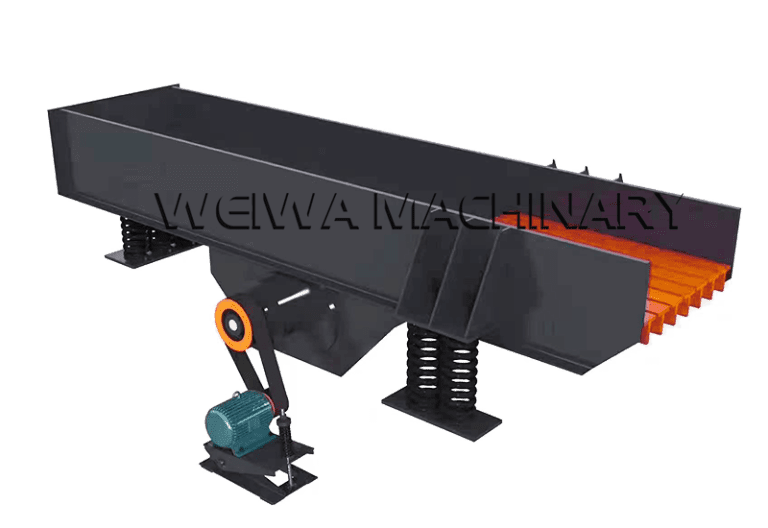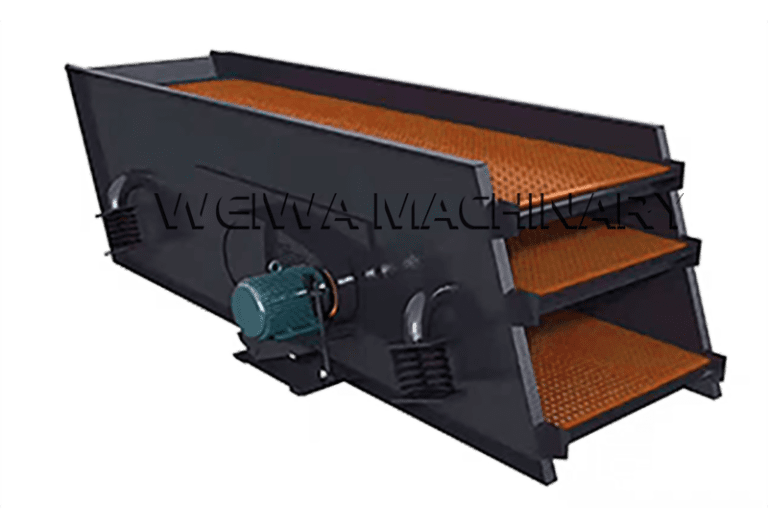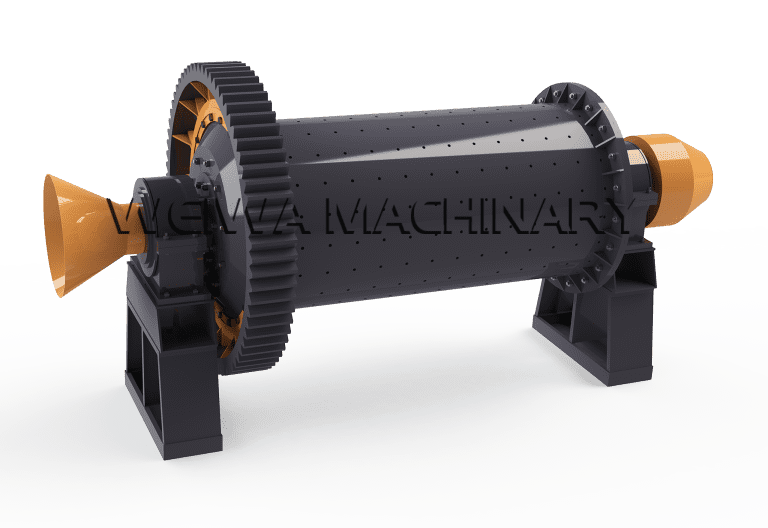
In Libya’s evolving industrial and construction landscape, the demand for efficient, durable, and cost-effective crushing equipment has never been higher. From Benghazi’s urban reconstruction to infrastructure expansion in Tripoli and Misrata, contractors face challenges ranging from variable material hardness to inconsistent feed sizes. Over the past decade, Weiwa Machinery has worked closely with Libyan clients to deliver Two-Stage Crusher systems that address these exact challenges—combining high throughput, stable particle size, and low operating costs.
Understanding the Two-Stage Crusher
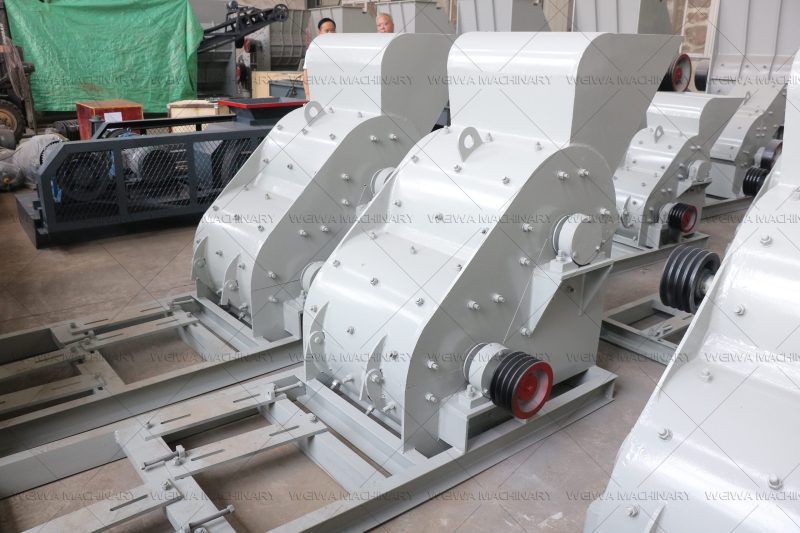
A Two-Stage Crusher is a specialized piece of crushing equipment designed to perform material reduction in two sequential phases within a single integrated system. Unlike traditional setups that rely on separate primary and secondary crushers, this design consolidates both stages into one streamlined process.
How the Two-Stage Crushing Process Works
The operation begins with the feeding system, which delivers raw material evenly into the first crushing chamber. In this stage, large feed sizes—often exceeding 400mm—are broken down into intermediate fragments. Heavy-duty hammers, rollers, or jaw plates exert high impact force to fracture hard rocks, ores, or construction debris.
Once pre-crushed, material moves directly into the second chamber. Here, finer crushing elements refine the output to a uniform particle size, typically between 0–50mm depending on project requirements. This staged approach ensures that energy is applied precisely where needed, reducing unnecessary wear and improving overall efficiency.
Why Two Stages Are Better Than One
Single-stage crushers often struggle with mixed-feed scenarios common in Libya, where blasted rock may arrive alongside recycled concrete or asphalt. A Two-Stage Crusher adapts more effectively to these variations. By splitting the workload, each chamber operates within its optimal speed and torque range, resulting in smoother production and less downtime caused by clogging or overload.
The Libyan Market Context
Libya’s construction and mining sectors present unique conditions. Decades of infrastructure backlog, coupled with ongoing reconstruction, have created strong demand for aggregates, road base materials, and recycled construction waste processing.
Material Characteristics in Libya
Many Libyan quarries produce limestone, dolomite, and medium-hard sandstone. In coastal cities, demolition waste often contains reinforced concrete, bricks, and asphalt. These materials differ significantly in abrasiveness, moisture content, and fragmentation behavior. A Two-Stage Crusher handles this diversity without requiring frequent configuration changes.
Infrastructure and Energy Considerations
Power supply stability varies across regions. Weiwa’s Two-Stage Crusher for Libya can be configured with electric motors for grid-connected sites or diesel-electric hybrid drives for remote locations. This flexibility ensures continuous operation even under challenging site conditions.
Field Trial Results in Libya
To validate performance, Weiwa Machinery conducted extended field trials with a Benghazi-based contractor specializing in road base production. The trial ran continuously for 30 days, processing a blend of limestone and recycled concrete.
Throughput and Particle Uniformity
During the trial, the Two-Stage Crusher maintained an average throughput of 180 tons per hour. More importantly, particle size distribution remained within tight tolerances, with over 90% of output meeting the specified 0–40mm grading curve. This consistency allowed the client to reduce re-screening costs and improve asphalt plant efficiency.
Wear Resistance and Maintenance Intervals
Libyan operators frequently cite wear parts replacement as a major cost driver. Thanks to optimized chamber design and high-strength alloy components, the tested unit showed only moderate wear after processing over 50,000 tons of material. Scheduled maintenance was limited to routine inspections and lubrication, confirming the machine’s suitability for high-volume Libyan operations.
Energy Efficiency Observations
Energy monitoring revealed that the two-stage design consumed approximately 18% less power per ton compared to the contractor’s previous single-stage setup. Lower energy demand not only reduced operating expenses but also decreased heat generation within the drive system, contributing to longer service life.
Application Scenarios for Two-Stage Crushers in Libya
Road and Highway Construction
Libya’s road network rehabilitation requires vast quantities of well-graded aggregates. Two-Stage Crushers deliver consistent output size critical for sub-base and base layers, directly influencing pavement durability and lifecycle costs.
Urban Demolition and Recycling
In Tripoli and Misrata, demolition waste recycling has become an environmental and economic priority. A Two-Stage Crusher efficiently processes mixed debris into reusable aggregates, diverting material away from landfills and lowering procurement costs for new projects.
Quarrying and Aggregate Supply
Quarry operators benefit from the machine’s ability to handle varying feed sizes without pre-screening. This simplifies plant layout, reduces conveyor requirements, and accelerates project ramp-up.
Cement and Concrete Production
Steady kiln feed and concrete batching depend on uniform raw material sizing. The second crushing stage ensures precise control over output gradation, improving combustion efficiency and product quality in cement plants.
Engineering and Customization for Libyan Conditions
Weiwa Machinery approaches each Libyan project with a consultative mindset. Before delivery, engineers review material samples, site layout drawings, and production targets. Based on this data, Two-Stage Crusher configurations are adjusted to match local realities.
Chamber Design Optimization
For abrasive limestone, liners and hammers are upgraded to high-chromium alloys. For sticky or moist materials, anti-clogging chamber geometries are implemented to prevent material buildup.
Drive System Selection
Depending on regional power availability, clients may choose fixed-speed electric drives, variable-frequency drives for energy savings, or diesel-hydraulic systems for off-grid sites.
Dust Suppression and Environmental Compliance
Libyan environmental regulations increasingly emphasize dust control. Weiwa integrates spray systems, enclosed conveyors, and negative-pressure dust extraction to minimize airborne particles during crushing.
Operator Training and Local Support
Technical performance alone does not guarantee success. Weiwa provides comprehensive operator training covering safe startup procedures, daily inspection routines, and emergency shutdown protocols. In Libya, on-site technicians also receive hands-on instruction for wear parts replacement and basic troubleshooting.
Spare parts availability remains a critical concern in North Africa. To mitigate downtime, Weiwa maintains strategic stockpoints for commonly replaced components and offers expedited shipping options to Libyan ports. Remote technical support via video consultation further accelerates problem resolution.
Long-Term Value for Libyan Investors
Investing in a Two-Stage Crusher is not merely a procurement decision—it is a long-term commitment to operational efficiency. The combination of lower energy consumption, reduced maintenance frequency, and versatile application coverage translates into measurable return on investment.
Contractors who previously relied on multiple machines report simplified logistics, fewer personnel requirements, and easier compliance with project specifications. As Libya continues to rebuild and expand its infrastructure, the ability to deliver consistent, high-quality aggregates becomes a competitive advantage.
About Weiwa Machinery
Weiwa Machinery is a global leader in industrial crushing and material processing solutions, serving customers in more than 120 countries. With over thirty years of engineering expertise, we design and manufacture Two-Stage Crushers, rotary dryers, ball mills, and complete aggregate production lines tailored to regional needs.
Our commitment to quality, innovation, and after-sales service has made us the preferred partner for mining, construction, recycling, and cement industries worldwide. In Libya, we continue to support national development by delivering reliable equipment, responsive technical assistance, and sustainable crushing technologies.
If you are evaluating a Two-Stage Crusher for Libya or seeking to optimize existing operations, contact Weiwa Machinery today.
Email: [email protected]
Phone: +86 18439853888
We look forward to powering your next project with proven crushing performance.