The early morning sun reflected off the corrugated steel containers stacked at Weiwa Machinery’s Dahuangye Industrial Zone facility in Gongyi City, Henan Province, as another major export order was prepared for dispatch. This shipment—destined for Baghdad, Iraq—was no ordinary delivery. Inside those containers rested several units of Weiwa’s flagship jaw crushers, engineered specifically to meet the rugged demands of Iraq’s mining, construction, and aggregate production sectors.
For Weiwa Machinery, the shipment represented more than just logistics. It marked another milestone in the company’s deepening commitment to supporting Iraq’s industrial reconstruction and infrastructure expansion. Over the past decade, Iraq has emerged as one of the Middle East’s most promising markets for heavy machinery, driven by post-conflict rebuilding, oil-driven economic recovery, and rapid urban development.
Understanding the Role of Jaw Crushers in Iraq’s Industrial Landscape
A jaw crusher is a mechanical device designed to crush materials through compression, mimicking the motion of a human jaw. It remains the most widely used piece of primary crushing equipment in industries ranging from mining to construction and metallurgy. In Iraq, where natural resources and construction aggregates form the backbone of economic growth, jaw crushers play an indispensable role.
The country’s geology offers both opportunities and challenges. From the limestone quarries of Kirkuk to the basalt deposits near Mosul, Iraq’s raw materials vary greatly in hardness, moisture content, and particle size. A reliable jaw crusher must therefore be versatile enough to handle these variations without compromising efficiency or product quality.
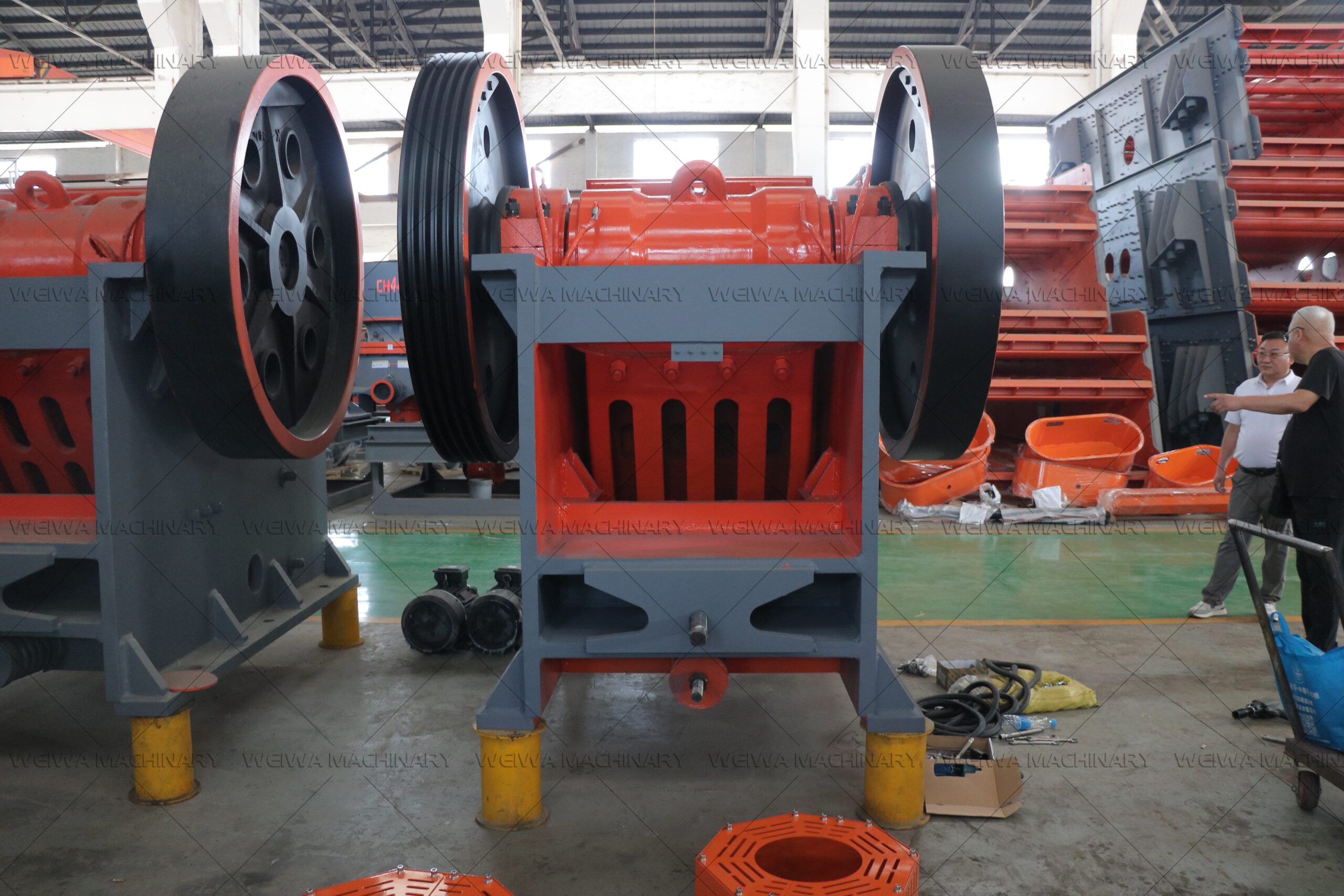
Weiwa’s jaw crushers are built with deep-cavity crushing chambers, high-strength frames, and wear-resistant manganese steel jaws. These features allow them to process everything from soft gypsum to hard granite with consistent output size and minimal downtime. For Iraqi operators, this translates into fewer interruptions, lower maintenance costs, and higher overall productivity.
Why Iraq Needs High-Quality Crushers Now More Than Ever?
Iraq’s construction sector has been expanding at an unprecedented pace. Government-led initiatives to rebuild roads, bridges, and public infrastructure have created massive demand for crushed stone, sand, and gravel. At the same time, the mining industry is ramping up production of minerals essential for both domestic use and export.
However, the local market has often struggled with inconsistent equipment quality. Many imported crushers fail prematurely due to inadequate design, poor material selection, or lack of after-sales support. Weiwa Machinery addresses these pain points by combining robust engineering with responsive customer service.
By shipping directly from China to Umm Qasr Port and coordinating inland transport to project sites, Weiwa ensures that Iraqi clients receive fully functional, ready-to-operate equipment without unnecessary delays. Each unit undergoes rigorous factory testing before leaving the workshop, ensuring that performance matches the promised specifications.
How Weiwa Jaw Crushers Work?
When raw material enters the crushing chamber through the feed opening, the movable jaw—driven by an eccentric shaft—begins its周期性往复运动。 This motion pushes the material against the fixed jaw, applying compressive force until the particles fracture and reduce in size. The cycle repeats continuously, ensuring steady throughput.
One of the key advantages of Weiwa’s design is the wedge-type discharge port adjustment system. Unlike traditional shim adjustments, this mechanism allows operators to change the output size quickly and safely, even while the machine is running. In Iraq’s fast-paced work environments, this flexibility can significantly improve operational efficiency.
The deep crushing cavity design also minimizes material blockage, a common issue in many competing models. By maximizing the available space inside the chamber, Weiwa crushers achieve higher reduction ratios and more uniform particle distribution. This uniformity is critical for downstream processes such as screening, grinding, and concrete production.
Real-World Performance in Iraqi Conditions
Before shipment, Weiwa conducted extensive trial runs using material samples provided by the Iraqi client. These tests simulated real operating conditions, including high ambient temperatures, variable feed sizes, and mixed material compositions.
The results were impressive. The jaw crusher maintained an average throughput capacity exceeding expectations, with power consumption remaining within the guaranteed range. Product size distribution was consistently uniform, meeting the strict specifications required for road base and concrete aggregate. Wear rates on the jaw plates were minimal, confirming the effectiveness of Weiwa’s heat-treated manganese steel components.
Perhaps most importantly, the trial demonstrated the machine’s ability to operate reliably in dusty, high-temperature environments—conditions typical of Iraqi quarries and construction sites. Operators reported smooth performance, easy access for maintenance, and intuitive controls, all of which contribute to lower training costs and faster deployment.
Adapting to Iraq’s Unique Operational Challenges
Operating heavy machinery in Iraq presents several unique challenges. Dust storms can infiltrate sensitive components, abrasive materials accelerate wear, and extreme summer heat places additional stress on engines and hydraulic systems. Weiwa addresses these issues through thoughtful engineering.
Sealed bearing housings protect against dust ingress, while reinforced frames absorb vibration and shock loads. Cooling systems are oversized to maintain optimal operating temperatures even during peak summer months. Lubrication points are strategically placed for easy access, reducing the time required for routine maintenance.
These adaptations are not merely theoretical. They are the result of years of feedback from Iraqi customers who rely on Weiwa equipment to keep their projects on schedule. By listening to operators on the ground, Weiwa continually refines its designs to better suit local conditions.
The Strategic Importance of Primary Crushing in Iraq’s Supply Chain
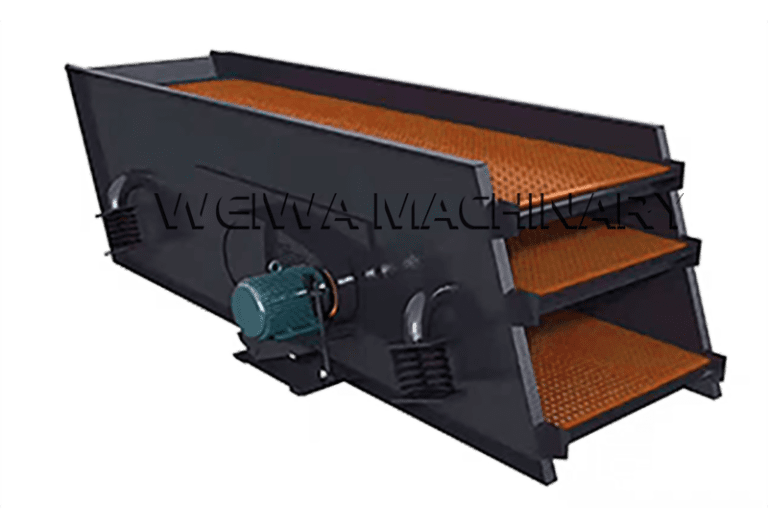
In any crushing operation, the primary crusher sets the tone for the entire production line. If the jaw crusher underperforms, downstream equipment such as cone crushers, impactors, and screens must work harder to compensate, leading to higher energy consumption and increased wear.
Weiwa’s approach focuses on optimizing the entire process flow. By delivering consistent feed size and high reduction ratios, the jaw crusher ensures that secondary and tertiary crushers operate at peak efficiency. This holistic perspective is particularly valuable in Iraq, where fuel costs, spare parts availability, and maintenance labor all influence total operating expenses.
Moreover, the versatility of Weiwa jaw crushers allows them to handle a wide range of materials, from recycled construction debris to virgin rock. This flexibility supports Iraq’s growing emphasis on sustainable construction practices, including the reuse of demolition waste for new projects.
Customer Support and After-Sales Service in Iraq
Technical excellence alone is not enough to succeed in the Iraqi market. Reliable after-sales support is equally critical. Weiwa Machinery has invested heavily in building a responsive service network capable of supporting customers across Iraq.
Spare parts shipments are coordinated through regional warehouses, ensuring rapid delivery when replacements are needed. On-site field service technicians are available to assist with installation, commissioning, and operator training. Remote troubleshooting via video call further reduces downtime by enabling quick diagnosis of potential issues.
This comprehensive support structure reassures Iraqi buyers that their investment is protected. It also strengthens long-term relationships, encouraging repeat business and positive word-of-mouth referrals within the industry.
The Future of Crushing Equipment in Iraq
As Iraq continues to rebuild and diversify its economy, demand for high-quality crushing equipment will only increase. Infrastructure projects such as the Baghdad Metro, new highway networks, and expanded industrial zones will require vast quantities of aggregates produced by reliable machinery.
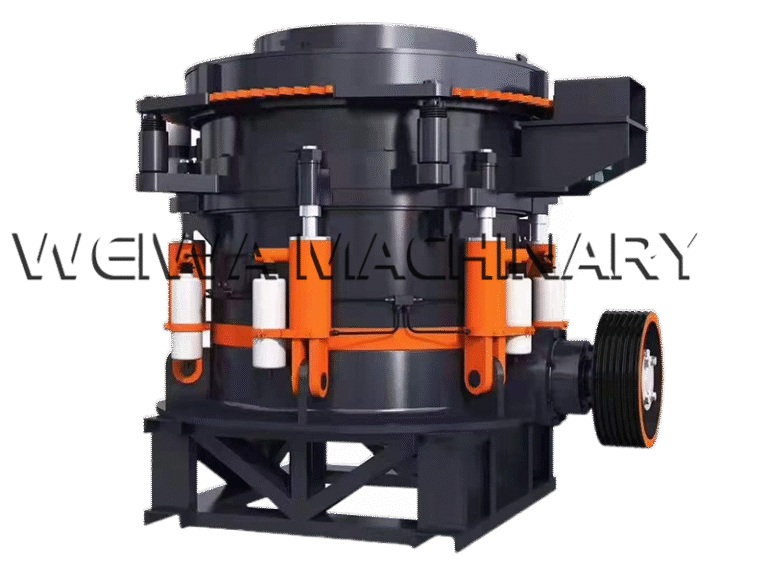
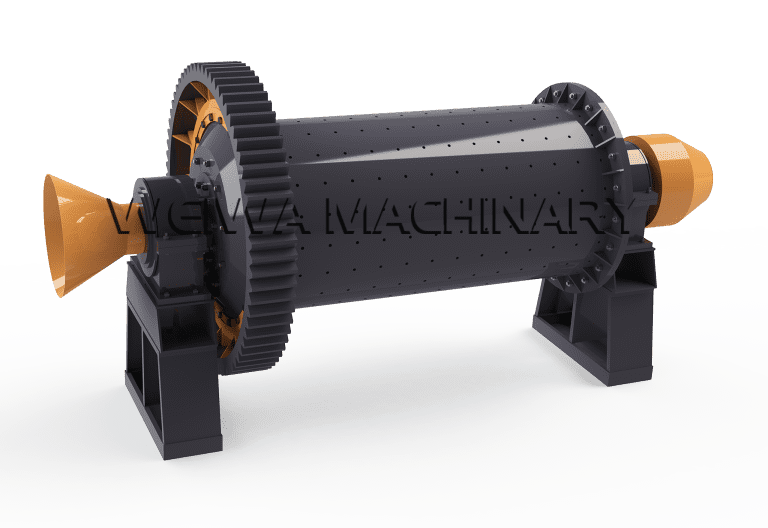
Weiwa Machinery is well-positioned to meet this demand. With a product range that includes not only jaw crushers but also cone crushers, impact crushers, ball mills, rotary dryers, and complete crushing plants, the company can deliver turnkey solutions tailored to each client’s needs.
Future developments may include smarter control systems, enhanced automation, and improved energy efficiency—all designed to help Iraqi operators reduce costs while increasing output. By staying ahead of technological trends, Weiwa aims to remain the supplier of choice for the country’s evolving industrial landscape.
About Weiwa Machinery
Weiwa Machinery is a global leader in providing full flowsheet technology and services to the mineral processing, construction, recycling, agriculture, and cement production industries. Headquartered in Gongyi City, Henan Province, China, the company exports to more than 120 countries and regions, serving over 2,000,000 satisfied customers worldwide.
Known for high-quality engineering, durable wear parts, and responsive after-sales support, Weiwa Machinery offers a comprehensive range of equipment including jaw crushers, cone crushers, impact crushers, ball mills, rotary dryers, and charcoal briquetting machines. Whether you need a single crusher or a complete production line, Weiwa delivers solutions that combine performance, reliability, and value.
For inquiries, technical specifications, or customized proposals, contact Weiwa Machinery at [email protected] or call +86 18439853888. Learn more about our jaw crushers and other products at https://crushmixplant.com/crusher-machine/jaw-crusher.html.