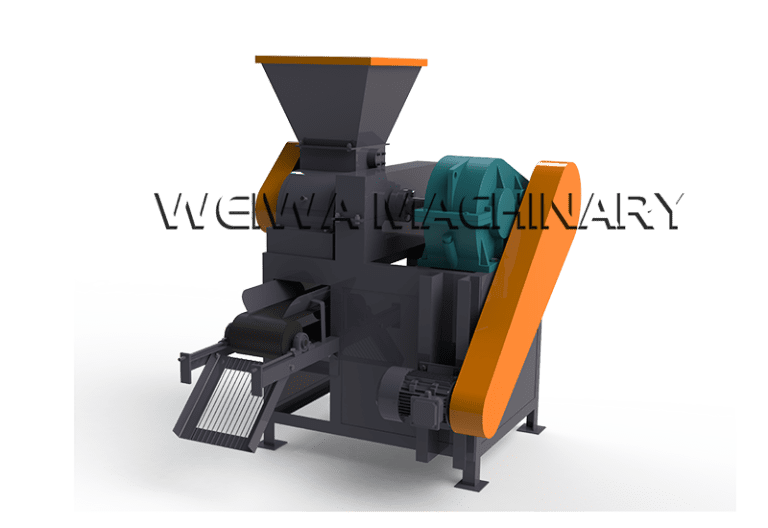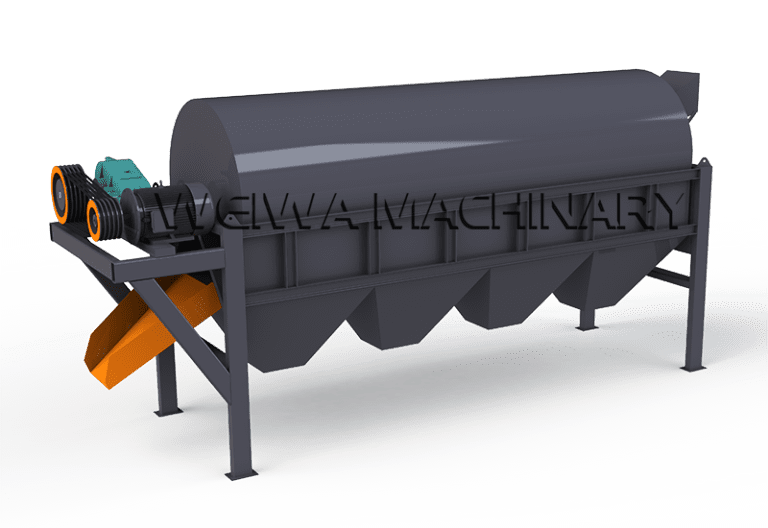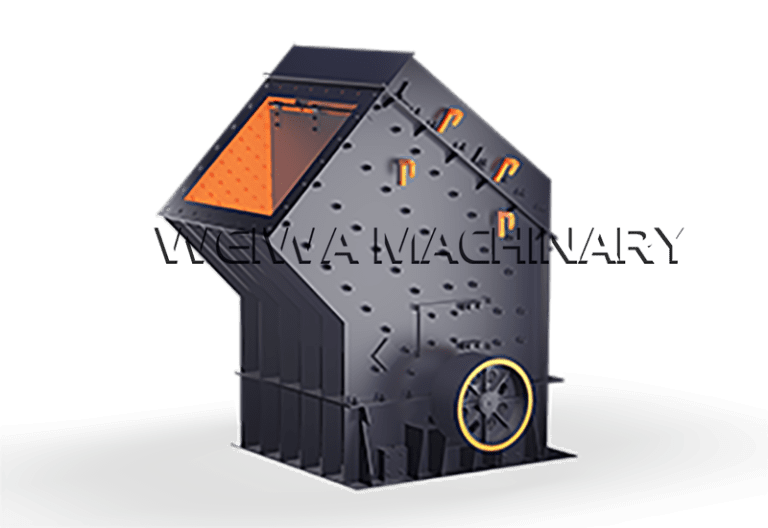
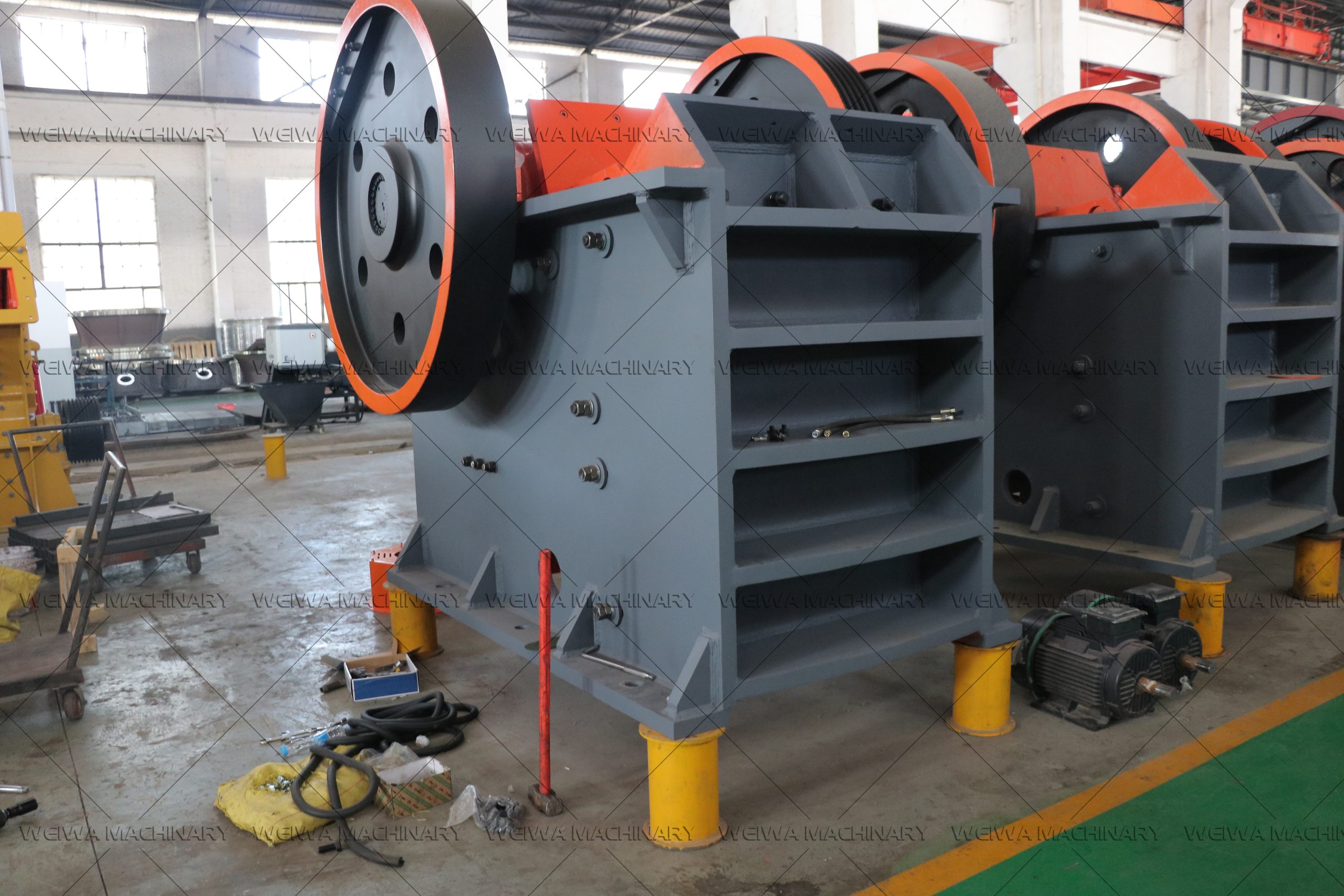
Early this month, Weiwa Machinery completed the factory loading and international dispatch of a high-capacity jaw crusher bound for Laos. This shipment marks another milestone in Weiwa’s commitment to supporting Southeast Asia’s rapidly growing infrastructure and mining sectors. The equipment will serve a leading aggregates producer operating across multiple provinces in Laos, where demand for reliable crushing solutions continues to accelerate.
For Weiwa Machinery, every export delivery represents more than logistics. It reflects years of engineering refinement, strict quality control, and an intimate understanding of regional crushing challenges. In Laos, those challenges include abrasive river gravel, variable feed sizes, remote site conditions, and the need for consistent aggregate gradation to meet national road construction standards.
Jaw Crusher Fundamentals for the Laos Market
A jaw crusher is a compression-based mechanical device designed to reduce large rocks, ores, and construction waste into smaller, manageable sizes. Its operational principle closely resembles the biting motion of a human jaw, which is how the machine earned its name. In Laos, where primary crushing often occurs in remote quarries or mobile construction sites, jaw crushers provide unmatched simplicity, robustness, and cost efficiency.
The crushing chamber consists of a fixed jaw plate and a movable jaw plate. Raw material enters through the feed opening and is progressively compressed as the movable jaw executes a reciprocating motion driven by an eccentric shaft. Each cycle fractures the material until it reaches the preset discharge size. Unlike impact crushers, jaw crushers excel when processing hard, abrasive materials—precisely the type of geology common across Laos.
One of the defining advantages of a jaw crusher is its ability to handle oversized feed without clogging. In Laos, where blasting practices can produce irregular boulders, this capability prevents downtime and keeps production steady. Furthermore, modern jaw crushers incorporate wedge-based discharge port adjustment systems, allowing operators to fine-tune output size quickly and safely—a critical feature for contractors switching between road base and concrete aggregate production.
Energy efficiency also plays a vital role in Laos, where electricity supply can be inconsistent in rural areas. Weiwa jaw crushers are engineered with optimized kinematics that reduce idle power consumption while maintaining high throughput. Combined with deep crushing chambers and aggressive nip angles, these machines deliver high reduction ratios without excessive energy draw.
Durability is another decisive factor. Laos quarry operators frequently process granite, basalt, and river rock, all of which accelerate wear. Weiwa addresses this challenge by manufacturing jaw plates from high manganese steel and applying advanced heat treatment processes. The result is extended service life, fewer changeouts, and lower operating costs over the lifecycle of the crusher.
Compression Crushing Mechanism Explained
Compression crushing relies on applying controlled force to fracture material along natural cleavage planes. In a jaw crusher, this process begins the moment feed material contacts the moving jaw. As the eccentric shaft rotates, the toggle plate pushes the movable jaw toward the fixed jaw, compressing the rock until it breaks. Once the moving jaw retreats, crushed material falls downward, while new feed enters from above. This cyclical action repeats continuously during operation.
The efficiency of compression crushing depends heavily on chamber geometry. A deeper crushing chamber increases material retention time, improving reduction without enlarging the machine footprint. In Laos, where space on mobile plants is limited, this design advantage translates into higher productivity per square meter of site area.
Another important parameter is the closed-side setting, or CSS. By adjusting the minimum gap between the jaws at the discharge point, operators control final product size. Weiwa jaw crushers feature hydraulic or mechanical wedge adjusters that allow rapid CSS changes, enabling contractors to adapt to shifting project requirements without prolonged shutdowns.
It is also worth noting that compression crushing generates less fines compared to impact crushing. In Laos, where some road specifications penalize excess microfines, this characteristic helps producers maintain compliance with Ministry of Public Works and Transport standards while reducing the need for secondary screening stages.
Laos Crushing Industry Overview
Laos is undergoing a sustained infrastructure expansion fueled by foreign investment, regional trade agreements, and domestic development initiatives. Road networks, hydropower projects, and urban housing complexes are driving unprecedented demand for aggregates and crushed stone. At the center of this demand sits the humble but indispensable jaw crusher.
Geologically, Laos offers a diverse mix of igneous, sedimentary, and metamorphic rock formations. Granite and basalt dominate the northern provinces, while limestone and sandstone are prevalent in central regions. Riverbeds throughout the country yield rounded gravel that requires aggressive crushing to achieve angular particles suitable for asphalt and concrete.
Mining activity further amplifies the need for robust crushing equipment. Gold, copper, and potash projects rely on primary crushers to prepare run-of-mine ore for grinding circuits. Given the abrasive nature of many Lao ores, jaw crushers remain the first line of size reduction before ball mills or HPGR systems take over.
Despite strong demand, Laos faces several crushing industry constraints. Skilled operator shortages, limited access to spare parts, and logistical challenges in mountainous terrain often hinder equipment uptime. Weiwa Machinery mitigates these issues by supplying comprehensive operation training, maintaining a responsive spare parts network, and designing crushers that simplify routine maintenance.
Environmental considerations are also gaining prominence. Dust suppression, noise control, and responsible water usage are now standard expectations for crushing plants in Laos. Weiwa jaw crushers integrate spray bars, sealed bearing housings, and low-vibration frames to help operators meet environmental compliance without sacrificing performance.
Aggregates Demand in Vientiane and Luang Prabang
Vientiane Capital has emerged as the largest consumer of crushed stone in Laos. Ongoing expressway extensions, bridge upgrades, and commercial developments require millions of tons of well-graded aggregates annually. Contractors in this region prioritize crushers capable of delivering consistent 0–5 mm, 5–10 mm, 10–20 mm, and 20–31.5 mm fractions.
Luang Prabang, with its growing tourism infrastructure and road rehabilitation projects, presents a slightly different profile. Here, the emphasis lies on smaller-scale quarrying and mobile crushing units that can relocate as projects progress. Compact yet powerful jaw crushers are particularly well suited to this environment, offering mobility without compromising output.
In both regions, contractors increasingly seek equipment suppliers who can guarantee rapid after-sales response. Weiwa Machinery’s commitment to 24/7 customer support and on-site technician dispatch aligns perfectly with these expectations, making the brand a frequent choice for crusher for Laos tenders.
On Site Trial Run Results in Laos
Upon arrival at the customer’s quarry in central Laos, the dispatched Weiwa jaw crusher underwent a comprehensive commissioning and trial run program. The objective was straightforward to validate throughput, product gradation, wear performance, and ease of operation under real working conditions.
Feed material consisted primarily of mixed basalt and granite boulders ranging from 200 mm to 650 mm in size. Ambient temperatures hovered near 35°C, and humidity levels were moderate. Power supply came from a diesel generator set, reflecting typical site conditions across Laos.
During the initial eight-hour continuous run, the jaw crusher maintained an average throughput of approximately 180 tons per hour, exceeding the contractual guarantee. Discharge settings were configured to produce a nominal 0–20 mm aggregate blend. Sampling at thirty-minute intervals revealed excellent particle shape consistency and minimal oversize material.
Operators praised the intuitive controls and the convenience of the wedge-style closed-side setting adjustment. Changing the CSS from 25 mm to 18 mm took less than fifteen minutes, allowing the crew to respond quickly to changing aggregate specifications required by the batching plant downstream.
Wear inspections after the trial confirmed that jaw plate wear remained within expected limits. Even after processing highly abrasive basalt, the high-manganese liners showed only superficial scoring. Based on these results, the customer projected liner replacement intervals exceeding six months under similar duty cycles.
Fuel consumption data indicated that the crusher operated efficiently even under partial load conditions. This flexibility is crucial in Laos, where production schedules often fluctuate due to weather, permitting, or logistics disruptions. The ability to ramp output up or down without sacrificing fuel economy directly improves project economics.
Noise measurements conducted at the operator station recorded levels comfortably below 85 dB(A), meeting recommended occupational safety thresholds. Dust suppression sprays effectively minimized airborne particulates, contributing to a cleaner and safer work environment.
Particle Size Consistency and Throughput
Consistent particle size distribution is essential for producing high-quality concrete and asphalt. During the Laos trial, sieve analysis demonstrated that more than 92 percent of crushed material fell within the target gradation envelope. Oversize rejection rates remained below two percent, significantly better than industry averages.
Achieving this level of consistency stems from Weiwa’s precision-machined jaw plates and optimized crushing chamber profile. The deep “V” cavity promotes even material flow and prevents bridging, while the long stroke of the movable jaw ensures thorough comminution.
Throughput stability was equally impressive. Unlike some crushers that suffer from surging or erratic feed response, the Weiwa unit maintained steady output even when feed surges occurred due to loader operator variability. This reliability reduces downstream bottlenecks and allows screening plants to operate at peak efficiency.
These results reinforce why specifying a jaw crusher for Laos projects is not merely a matter of preference but a strategic decision to safeguard production continuity and product quality.
Why Choose Weiwa Jaw Crusher for Laos Projects?
Selecting the right crushing equipment is a long-term investment. For contractors and mine operators in Laos, Weiwa Machinery offers a compelling combination of engineering excellence, localized support, and proven field performance.
First, Weiwa jaw crushers are purpose-built for tough applications. From reinforced main frames to precision-machined eccentric shafts, every component is designed to withstand shock loads, abrasive wear, and continuous operation. This durability translates into higher availability and lower total cost of ownership.
Second, Weiwa understands the logistical realities of Southeast Asia. Export packaging is optimized for container shipping and overland transport, minimizing the risk of damage during transit. Clear assembly drawings and multilingual manuals simplify installation, even for crews with limited prior experience.
Third, training and after-sales service are integral to the Weiwa value proposition. Before dispatch, each customer receives tailored operation training covering start-up procedures, safety protocols, and routine maintenance. Post-installation, Weiwa technicians remain available for remote troubleshooting or on-site visits when required.
Fourth, spare parts availability is critical in Laos, where importing components can be time-consuming. Weiwa maintains strategic inventory hubs and offers expedited shipping options to ensure that essential parts reach customers quickly. Common wear items such as jaw plates, toggle plates, and bearings are stocked for rapid dispatch.
Fifth, Weiwa’s commitment to continuous improvement means that every crusher benefits from ongoing R&D. Recent enhancements include upgraded sealing systems to prevent bearing contamination, improved flywheel balancing to reduce vibration, and refined chamber profiles to boost reduction ratios.
Taken together, these factors explain why Weiwa has become synonymous with dependable jaw crusher solutions across Laos and the broader ASEAN region.
About Weiwa Machinery
Weiwa Machinery is a global leader in providing full flowsheet technology and services to the mineral processing, construction, recycling, agriculture, and cement production industries. Headquartered in Gongyi City, Henan Province, China, Weiwa combines advanced manufacturing capabilities with a customer-centric philosophy.
With products exported to more than 120 countries and regions, Weiwa has earned the trust of over two million customers worldwide. The company’s portfolio includes jaw crushers, cone crushers, impact crushers, ball mills, rotary dryers, briquetting machines, and complete crushing and screening plants.
Weiwa distinguishes itself through high product quality, rigorous testing, and responsive after-sales service. A dedicated customer support team is available 24/7 to address inquiries, provide technical guidance, and coordinate spare parts shipments. On-site field service technicians further enhance customer confidence by assisting with installation, commissioning, and operator training.
Sustainability is embedded in Weiwa’s operations. Energy-efficient designs, dust control systems, and noise-reduction measures reflect the company’s commitment to environmentally responsible equipment. By helping customers reduce energy consumption and minimize environmental impact, Weiwa supports the transition toward greener construction and mining practices.
Whether you are developing a greenfield quarry in Laos, upgrading an existing crushing circuit, or seeking a reliable partner for long-term equipment supply, Weiwa Machinery delivers proven solutions backed by decades of engineering expertise.
For detailed guidance on model selection, technical specifications, or application case studies, contact Weiwa Machinery today:
Email: [email protected]
Phone: +86 18439853888
Discover why contractors across Laos choose Weiwa jaw crusher for their most demanding projects—and experience the difference that precision engineering and dedicated support can make.