Introduction
In the dynamic landscape of industrial waste management and resource recycling, Malaysia stands at a pivotal point. With rapid urbanization, expanding manufacturing sectors, and growing emphasis on sustainability, the demand for efficient processing equipment has never been higher. At Weiwa Machinery, we recognize these challenges and have dedicated ourselves to providing cutting-edge solutions tailored to the Malaysian market. Among our flagship products, the comprehensive crusher has emerged as a game-changer, offering unparalleled versatility and performance for diverse applications—from biomass processing to construction debris recycling.
Understanding Comprehensive Crushers
To appreciate the value of comprehensive crushers in Malaysia, it is essential to first understand their design and functionality. Unlike traditional single-purpose crushers, comprehensive crushers integrate multiple crushing mechanisms into a single unit, enabling them to process a wide range of materials efficiently.
Key Components and Working Principles
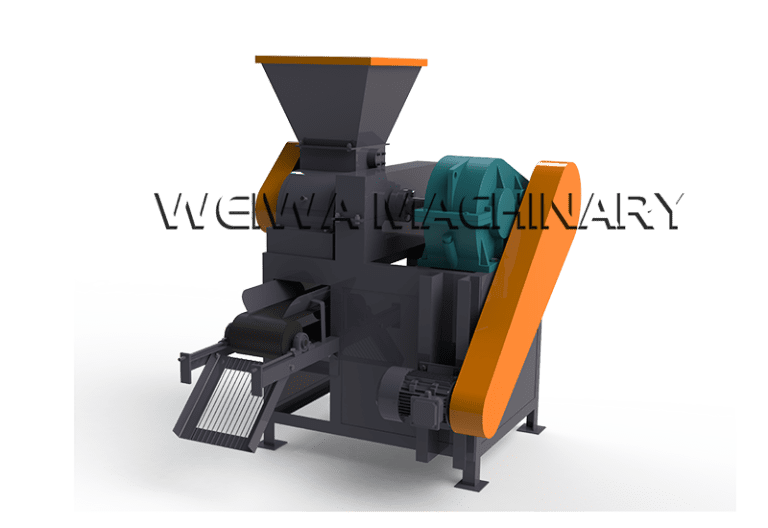
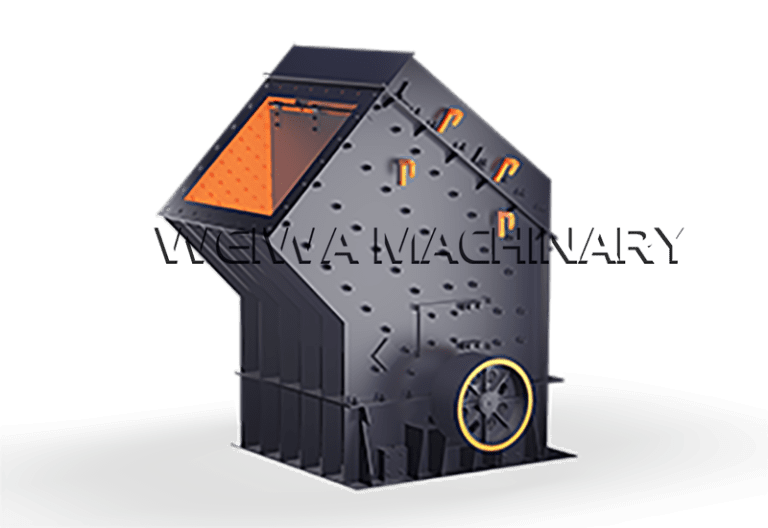
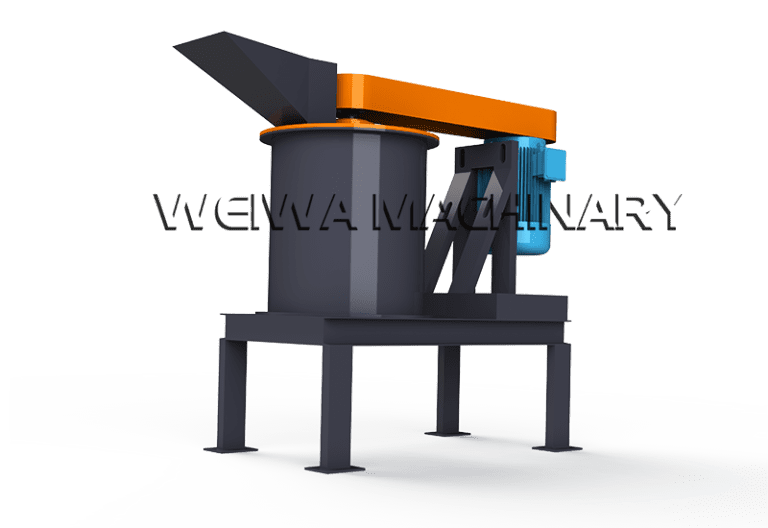
A typical comprehensive crusher comprises three core components: a feeding system, a crushing chamber, and a discharge mechanism. The feeding system ensures uniform material intake, while the crushing chamber houses rotating blades, hammers, or rollers that apply mechanical force to break down materials. Advanced models, like those offered by Weiwa Machinery, incorporate adjustable speed controls and interchangeable wear parts to adapt to varying material hardness and moisture content.
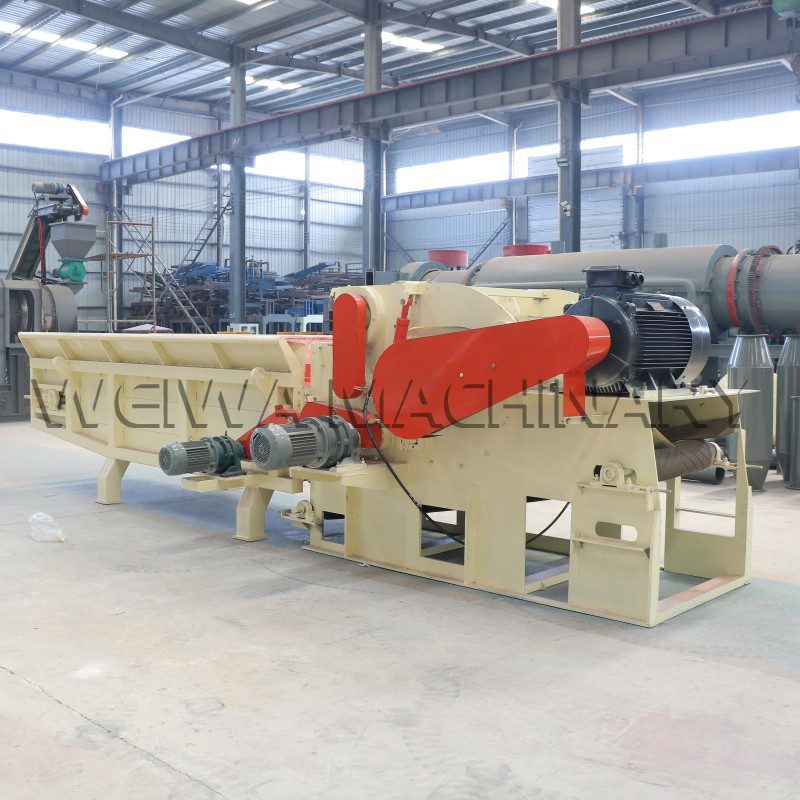
The working principle revolves around “multi-stage crushing.” Materials enter the chamber and undergo initial coarse crushing via impact forces. They then pass through secondary and tertiary stages, where shear and grinding actions refine the output into uniformly sized particles. This process minimizes energy consumption compared to using separate crushers for each stage.
Advantages Over Traditional Crushers
Traditional crushers often specialize in one material type—e.g., jaw crushers for hard rocks or hammer mills for soft biomass. While effective in niche scenarios, they lack flexibility when faced with mixed or heterogeneous waste streams. Comprehensive crushers address this limitation by combining the strengths of multiple crusher types. For instance, our Weiwa Machinery model integrates impact crushing for brittle materials (like glass) and shear crushing for fibrous substances (such as coconut shells).
Additional benefits include reduced footprint (ideal for space-constrained Malaysian facilities), lower maintenance costs (fewer moving parts than multi-unit setups), and enhanced safety features (enclosed chambers and automated shutoff systems). These attributes make comprehensive crushers a cost-effective and future-proof investment for businesses aiming to scale operations.
The Role of Comprehensive Crushers in Malaysia’s Key Industries
Malaysia’s economic growth is driven by several key sectors, each generating unique waste streams that require specialized processing. Comprehensive crushers are uniquely positioned to meet these demands, offering tailored solutions for agriculture, construction, and manufacturing.
Agriculture: Transforming Biomass into Valuable Resources
As a major agricultural producer, Malaysia generates significant amounts of crop residues—palm kernel shells, rice husks, and sugarcane bagasse. Historically, these materials were either burned (contributing to air pollution) or left to decompose (wasting potential energy). Comprehensive crushers enable farmers and agribusinesses to convert biomass into high-value products, such as animal feed, organic fertilizers, or biofuel pellets.
For example, palm kernel shells, which are dense and difficult to process, can be crushed into small particles for use in biomass power plants. Our Weiwa Machinery comprehensive crusher, tested in Johor’s palm oil plantations, achieved a throughput of 8–10 tons per hour, reducing shell size to less than 20mm—a critical specification for downstream pelletization.
Construction: Tackling Demolition Debris and Recycled Aggregates
The construction industry in Malaysia is booming, with new infrastructure projects and urban redevelopment driving demand for raw materials. However, this growth also produces vast quantities of demolition waste, including concrete, bricks, and asphalt. Comprehensive crushers play a vital role in recycling these materials into aggregates for road base, precast concrete, and other applications.
A case study from Kuala Lumpur highlights the efficiency of our crusher: a local recycling plant used the machine to process 500 tons of mixed demolition waste daily, producing 300 tons of reusable aggregate. The crusher’s ability to handle reinforced concrete (by breaking rebar into manageable pieces) eliminated the need for manual sorting, saving both time and labor costs.
Manufacturing: Streamlining Scrap Metal and Plastic Recycling
Malaysia’s manufacturing sector, particularly electronics and automotive, generates substantial scrap metal and plastic waste. Comprehensive crushers simplify the recycling process by reducing large items (e.g., car bumpers, metal frames) into smaller fragments that can be melted or remolded.
In Penang, a plastic recycling facility reported a 40% increase in processing capacity after adopting our comprehensive crusher. The machine’s variable speed settings allowed operators to adjust crushing intensity based on plastic type (HDPE vs. PET), ensuring minimal material degradation and maximum recovery rate.
Weiwa Machinery’s Comprehensive Crusher: Engineered for Malaysian Conditions
At Weiwa Machinery, we understand that no two markets are identical. Our comprehensive crusher is the result of years of research and collaboration with Malaysian clients, designed to withstand the country’s tropical climate, high humidity, and diverse material inputs.
Customized Design Features
- Corrosion-Resistant Materials: Given Malaysia’s coastal environment, all critical components (e.g., blades, housing) are made from stainless steel or coated with anti-corrosion layers.
- Dust Suppression System: To comply with Malaysia’s stringent environmental regulations, the crusher includes a built-in water spray system that reduces airborne particulates during operation.
- Modular Structure: Easy disassembly and replacement of parts ensure minimal downtime, a crucial factor for 24/7 operations common in Malaysian industries.
Performance Metrics: Proven Results in Field Tests
To validate our claims, we conducted extensive field tests across Malaysia, partnering with local businesses to evaluate the crusher’s performance under real-world conditions.
- Test Site 1: Selangor Palm Oil Mill Material: Palm kernel shells (moisture content: 12–15%) Result: Throughput of 9.2 tons/hour; final particle size: 15–25mm; energy consumption: 18 kWh/ton. Client Feedback: “The crusher’s ability to handle wet shells without clogging has transformed our waste management process.”
- Test Site 2: Kedah Construction Site Material: Mixed concrete, brick, and wood (max. input size: 500mm) Result: Output of 400 tons/day; 95% of rebar successfully separated; noise level: 75 dB (compliant with local standards). Client Feedback: “We’ve cut our landfill costs by 60% since installing the machine.”
These results underscore the crusher’s reliability and adaptability, making it a trusted choice for Malaysian enterprises.
Sustainability and Economic Benefits: A Win-Win for Malaysia
Adopting comprehensive crushers aligns with Malaysia’s national goals, including the 12th Malaysia Plan (2021–2025), which prioritizes circular economy practices and green technology adoption.
Environmental Impact
By enabling waste-to-resource conversion, comprehensive crushers reduce reliance on virgin materials and minimize landfill usage. For every ton of recycled aggregate produced, approximately 1.5 tons of CO₂ emissions are avoided compared to quarrying natural stone. Similarly, biomass recycling cuts methane emissions from decomposing organic matter.
Economic Advantages
Investment in comprehensive crushers yields long-term savings. Clients report ROI within 12–18 months due to reduced waste disposal fees, lower raw material procurement costs, and eligibility for government incentives (e.g., Green Technology Financing Scheme). Additionally, the creation of value-added products (pellets, aggregates) opens new revenue streams.
Conclusion: Partnering with Weiwa Machinery for a Sustainable Future
Malaysia’s journey toward sustainable industrialization requires innovative tools that balance efficiency, affordability, and environmental responsibility. Weiwa Machinery’s comprehensive crusher embodies this philosophy, offering a versatile solution that meets the evolving needs of Malaysian industries. Whether processing agricultural biomass, construction debris, or manufacturing scrap, our machine delivers consistent performance backed by localized support.
As we expand our presence in Malaysia, we remain committed to collaborating with clients to optimize their operations and contribute to a greener tomorrow.
About Weiwa Machinery
Weiwa Machinery is a leading manufacturer of industrial crushing and recycling equipment, headquartered in China with a global network spanning Southeast Asia, Europe, and Africa. Since our founding in 1990, we have prioritized R&D and customer-centric innovation, earning certifications such as ISO 9001 and CE. Our product portfolio includes comprehensive crushers, shredders, and pellet mills, all designed to enhance productivity and sustainability.
For inquiries about our comprehensive crusher or customized solutions for your business, contact us today:
- Email: [email protected]
- Phone: +86 18439853888
Let Weiwa Machinery be your trusted partner in transforming waste into wealth.