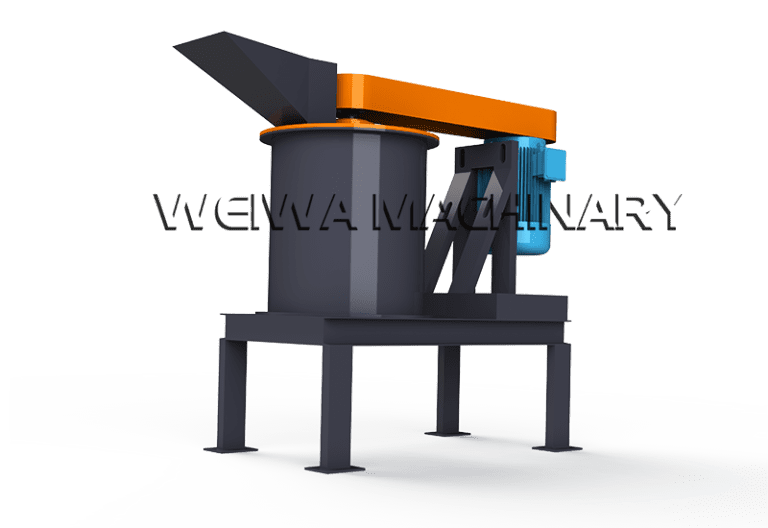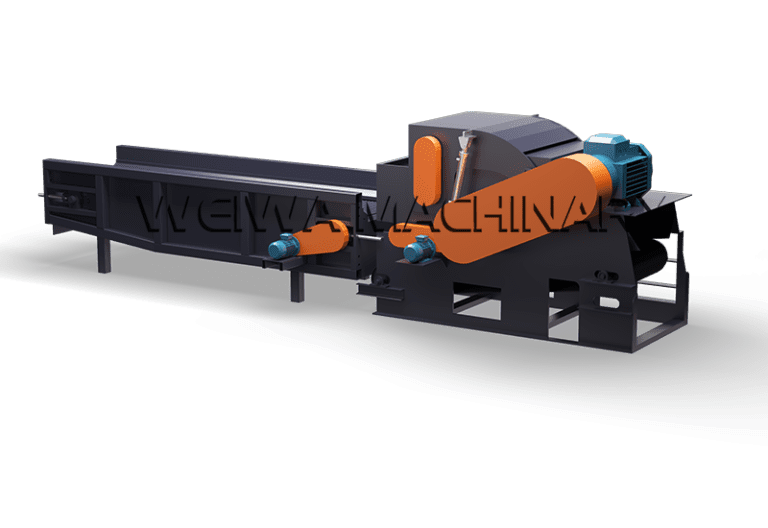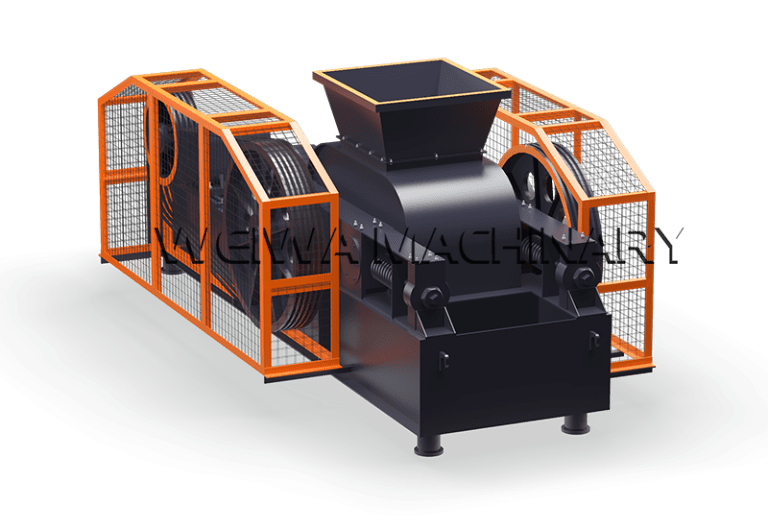
From our manufacturing workshop in Gongyi, Henan, to a busy aggregate quarry outside Manila, the recent shipment of a Weiwa Machinery Cone Crusher to the Philippines represents more than just a delivery of heavy equipment. It is the beginning of a long-term partnership with one of the fastest-growing infrastructure markets in Southeast Asia. Over the past three decades, Weiwa Machinery has supplied crushing solutions to more than 120 countries, but the Philippine market holds special significance due to its unique geological conditions, rapidly expanding road-building programs, and rising demand for high-quality cubical aggregates.
Shipment Preparation and Logistics to the Philippines
The ordered unit was a multi-cylinder hydraulic cone crusher configured for secondary crushing of andesite and river stone—two of the most common hard rocks processed by crusher in the Philippines operations. Before leaving our factory, the machine underwent a full load test on our in-house test rig simulating 80 percent of rated throughput. Vibration, oil temperature, and discharge gate adjustment were all recorded and verified within tolerance.
To ensure safe ocean freight from Qingdao Port to Manila, the cone crusher was partially disassembled into main frame, eccentric assembly, mantle and concave set, hydraulic power unit, and electrical cabinet. Each exposed machined surface received anti-rust coating, and all units were fixed on reinforced wooden skids with moisture-proof wrapping—a standard Weiwa Machinery export procedure that protects equipment even in the humid tropical shipping environment typical for deliveries to the Philippines.
Upon arrival, our technical team coordinated with the client’s local crew to supervise reassembly, lubrication filling, and no-load commissioning. Within five working days the unit was integrated into the existing Crushing Plant line that included a Jaw Crusher for primary break, vibrating feeder, and multi-deck screen. The following sections describe why a cone crusher—rather than an impact crusher—was chosen for this Philippine application.
The Philippines Aggregate and Mining Market for Cone Crushers
Infrastructure Growth Driving Demand for Quality Aggregates
The Philippine government’s continued investment in expressways, provincial roads, airports, and flood-control infrastructure has sharply increased the need for well-graded, cubical crushed stone. National and local specifications now require lower flakiness index and tighter particle-size distribution than in previous decades. Cone crushers, which utilize inter-particle laminating crushing, are uniquely capable of delivering these qualities compared with horizontal-shaft impact crushers that tend to produce more elongated particles when processing hard abrasive rock.
Typical Feed Materials in Philippine Quarries
Many quarries in Luzon, Visayas, and Mindanao extract andesite, basalt, granite, and river cobbles with high silicon content. These materials are extremely abrasive and cause rapid blow-bar wear in impact crushers. A cone crusher for the Philippines application, with its manganese mantle and concave liners designed for compression crushing, withstands this abrasion far better, extending wear-part life and lowering cost per ton.
Climate and Site Conditions
High ambient humidity, occasional heavy rainfall, and dusty site conditions require crushers with effective seals, reliable lubrication heating and cooling options, and corrosion-resistant paint systems—all of which are standard on Weiwa cone crushers destined for tropical markets such as the Philippines.
What Is a Cone Crusher and How Does It Work?
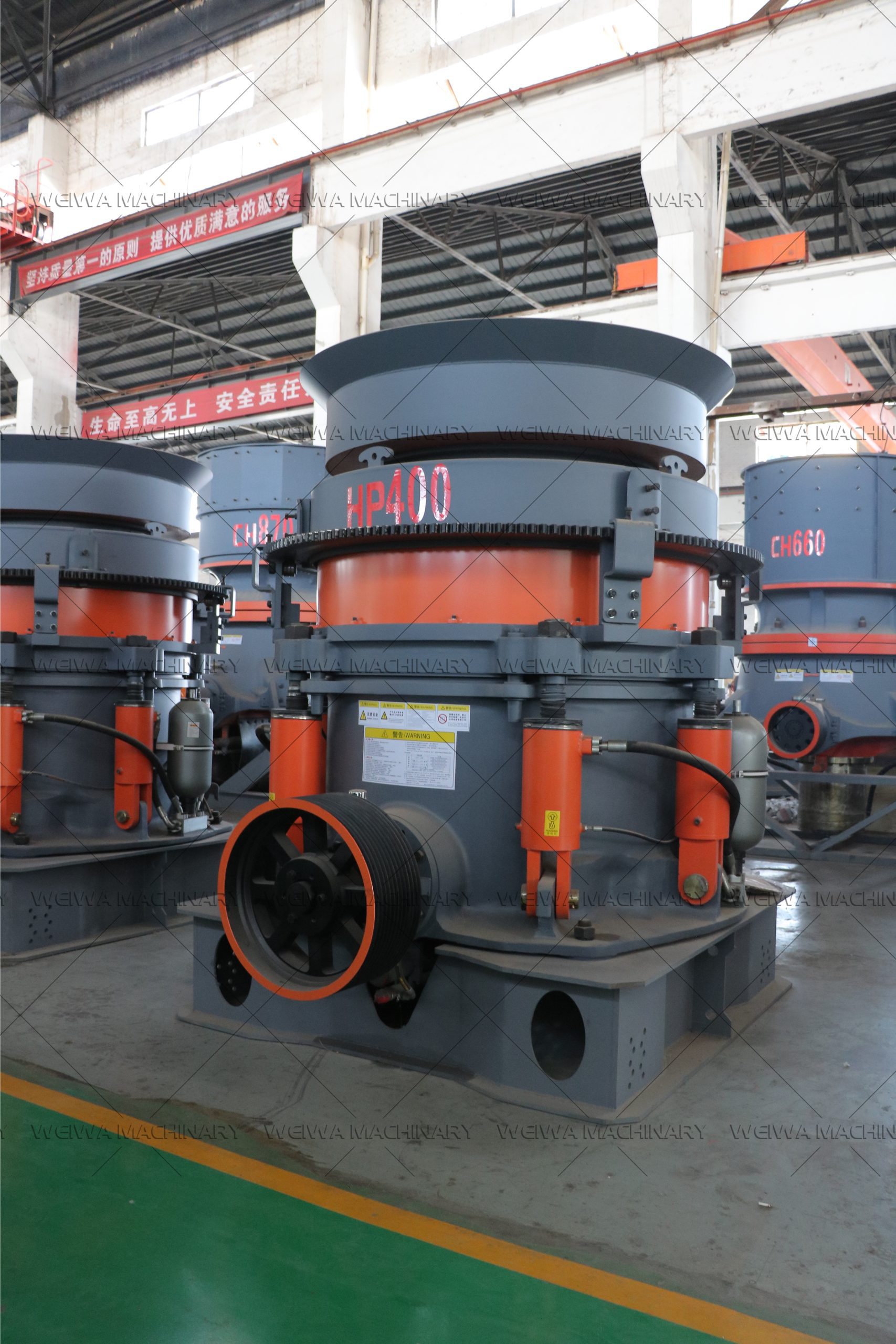
A cone crusher is a compression-type crushing machine that reduces hard ore or rock by squeezing it between a gyrating mantle mounted on the main shaft and a stationary concave bowl liner. Material is fed from the top of the crushing chamber and progressively crushed as it moves downward, exiting through the discharge opening at the bottom whose closed-side setting (CSS) determines the final product size.
Key Components of a Cone Crusher
The main frame supports the eccentric bushing and bowl assembly. Inside, the main shaft carries the mantle which gyrates due to the rotation of the eccentric sleeve driven by the countershaft and bevel gear set. The concave liners bolt into the bowl and form the outer crushing surface. A hydraulic system—on hydraulic models—adjusts CSS, compensates for liner wear, and opens the chamber to clear tramp iron. An oil lubrication station circulates cooled, filtered oil to the eccentric and socket bearings to minimize friction and carry away heat.
Laminating Crushing Advantage
Unlike impact crushing which relies on striking velocity, the cone crusher compresses rock layers against each other in the nip zone. This inter-particle comminution produces a more uniform particle shape with fewer flat or needle-like pieces, a decisive advantage for concrete and asphalt mix plants supplying Philippine infrastructure projects.
Types of Cone Crushers Offered by Weiwa Machinery
Spring Cone Crusher (Symons Type)
The classic spring-release design is robust, simple to operate, and economical for medium-hard to hard rock. Overload protection is provided by heavy springs that allow the bowl to rise when uncrushable tramp material enters. Although less automated than hydraulic types, it remains popular in cost-sensitive Philippine quarry startups.
Single-Cylinder Hydraulic Cone Crusher
A single hydraulic cylinder controls CSS adjustment and tramp release. This design is compact, easy to automate, and provides a good balance between price and performance for secondary crushing duties in the Philippines.
Multi-Cylinder Hydraulic Cone Crusher
Multiple hydraulic cylinders around the main frame give precise control of the bowl position, allowing very tight product gradation and high reduction ratios. This model is ideal when the plant specification calls for consistently fine, cubical aggregate—for example in ready-mix concrete supply for Metro Manila high-rise projects.
On-Site Trial Results in the Philippines Quarry
After installation the Weiwa multi-cylinder hydraulic cone crusher was fed with minus-200 mm andesite from the jaw crusher outlet. The target CSS was set at 32 mm to produce 0–40 mm aggregate for road base and concrete.
Throughput and Power Consumption
Over a continuous eight-hour trial the unit averaged 168 tons per hour, closely matching its rated capacity for the selected cavity profile. Motor power draw remained stable at approximately 89 percent of nameplate, indicating efficient conversion of energy into crushing work rather than heat or vibration loss.
Product Quality Analysis
Gradation tests performed on site showed 94 percent of the crushed product falling within the 0–40 mm band, with a flakiness index below 12 percent—well within Philippine Department of Public Works and Highways recommended limits for road-base material. The client noted visibly improved particle shape compared with the previously used impact crusher, which had suffered excessive blow-bar wear when processing the same andesite.
Wear Part Observation
Initial liner inspection after 480 operating hours revealed even wear distribution across the mantle and bowl, projecting an estimated mantle life of 1,800 to 2,200 hours depending on feed abrasiveness—significantly longer than the three-to-five-day blow-bar life previously experienced with an impact crusher on similar material.
Operator Feedback
The quarry supervisor highlighted the hydraulic CSS adjustment as a major time-saver when switching from coarse road-base aggregate to finer concrete aggregate. The PLC interface allowed one operator to change settings without manual shimming, reducing changeover downtime from half a shift to under thirty minutes.
How to Select the Right Cone Crusher for Your Philippines Operation?
Analyze Your Feed Material
Determine the unconfined compressive strength, abrasiveness (silica content), and maximum feed size. Andesite and basalt common in the Philippines typically require medium-coarse or coarse cavity profiles and high-manganese liners.
Define Required Final Product
If your main output is 0–20 mm concrete aggregate you may need a tertiary short-head cavity; if you produce 0–40 mm road base a standard coarse cavity in secondary position may suffice. Matching cavity type to product spec avoids over-crushing and excessive fines.
Consider Throughput and Plant Layout
Size the cone crusher so nominal capacity is 10–20 percent above your design plant throughput. This margin accommodates feed variation and prevents chronic overloading which accelerates liner wear and can cause packing in the chamber.
Evaluate After-Sales Support
Choose a manufacturer who stocks wear parts regionally or ships quickly to the Philippines, provides English-language manuals, and can dispatch technicians for commissioning and training. Weiwa Machinery meets these criteria with spare-part kits shipped alongside every export unit and remote troubleshooting assistance via video call.
Maintenance Best Practices for Cone Crushers in Tropical Climates
Daily Checks
Monitor oil temperature and pressure on the lubrication panel. Abnormal temperature rise often precedes liner looseness or contaminated oil. Listen for irregular knocking which may indicate loose mantle nut or tramp metal.
Lubrication Management
Use the oil grade specified in the manual and change it according to the recommended interval, shortened if the site is exceptionally dusty. Keep breather caps clean to prevent moisture ingress—critical in the humid Philippines environment.
Liner Change Timing
Track the closed-side setting periodically. When CSS drifts beyond acceptable product tolerance even after hydraulic compensation, schedule a liner change rather than continuing to operate with thinning liners which can crack and damage the main frame.
Tramp Metal Protection
Ensure the metal detector and magnetic separator ahead of the cone crusher are functional. Although hydraulic relief opens the chamber for most tramp pieces, frequent lifting shortens seal life and interrupts production.
Frequently Asked Questions About Cone Crushers in the Philippines
Is a cone crusher better than an impact crusher for Philippine river stone?
For hard, high-silica river cobbles and andesite, yes. Cone crushers deliver longer wear life and better particle shape. Impact crushers can be suitable for softer limestone but wear rapidly on abrasive Philippine river stone.
What capacity range do Weiwa cone crushers cover?
Our standard models range from 30 TPH up to 800 TPH, with custom configurations available for larger plants.
Do you provide installation support in the Philippines?
Yes. Weiwa Machinery provides remote guidance and, where feasible, on-site technician dispatch for commissioning, operator training, and annual maintenance reviews.
Conclusion
The successful shipment and on-site validation of our hydraulic cone crusher confirms that Weiwa Machinery’s engineering is well matched to the demanding conditions of Philippine quarries. By combining laminating crushing technology with tropical-climate protections and responsive after-sales service, our cone crusher in the Philippines program helps local producers lower operating cost per ton while meeting strict aggregate quality standards. If you are evaluating a cone crusher or a complete crusher in the Philippines crushing line, our team is ready to assist with model selection, flow-sheet design, and lifetime support.
Contact us today:
Email: [email protected]
WhatsApp / Phone: +86 18439853888
We respond within 24 hours and can provide a tailored proposal for your Philippines project.
About Weiwa Machinery
Weiwa Machinery is a professional manufacturer of crushing, screening, and conveying equipment with over 30 years of industry experience. Our product range includes Jaw Crushers, Cone Crushers, Impact Crushers, Vibrating Screens, and complete stationary or mobile crushing plants. Exported to more than 120 countries and trusted by over 2,000,000 customers worldwide, Weiwa Machinery provides customized solutions, spare parts supply, on-site installation, and operator training to ensure reliable performance throughout the equipment lifecycle. Our factory is located in Dahuangye Industrial Zone, Gongyi City, Henan Province, China.