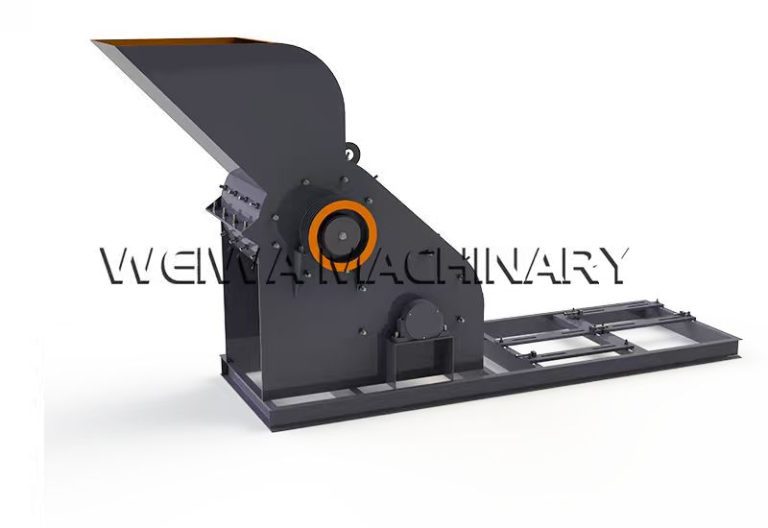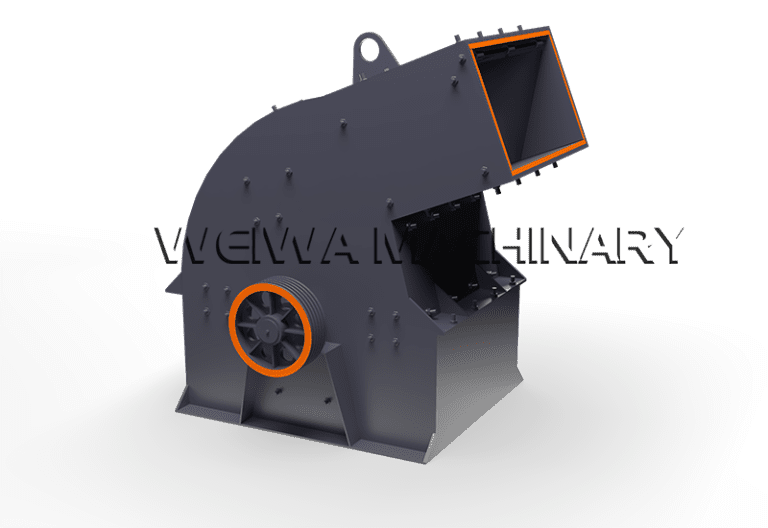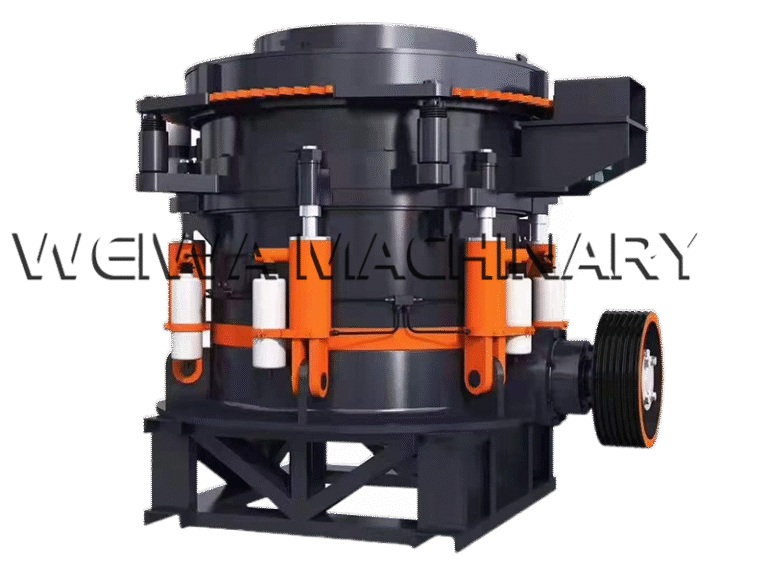
The sun rose over the bustling port of Jakarta, casting a golden glow on the massive container stacked with industrial machinery. Inside, one unit stood out—a robust jaw crusher, meticulously packed and ready to begin its journey into Indonesia’s thriving mining sector. For Weiwa Machinery, this shipment was more than just a delivery; it marked a commitment to empowering local industries with reliable crushing solutions tailored to Indonesia’s unique geological landscape. As the container doors closed, we reflected on how this machine would soon transform operations at a quarry in East Java, where efficiency and durability are non-negotiable.
Understanding Indonesia’s Demand for Reliable Crushers
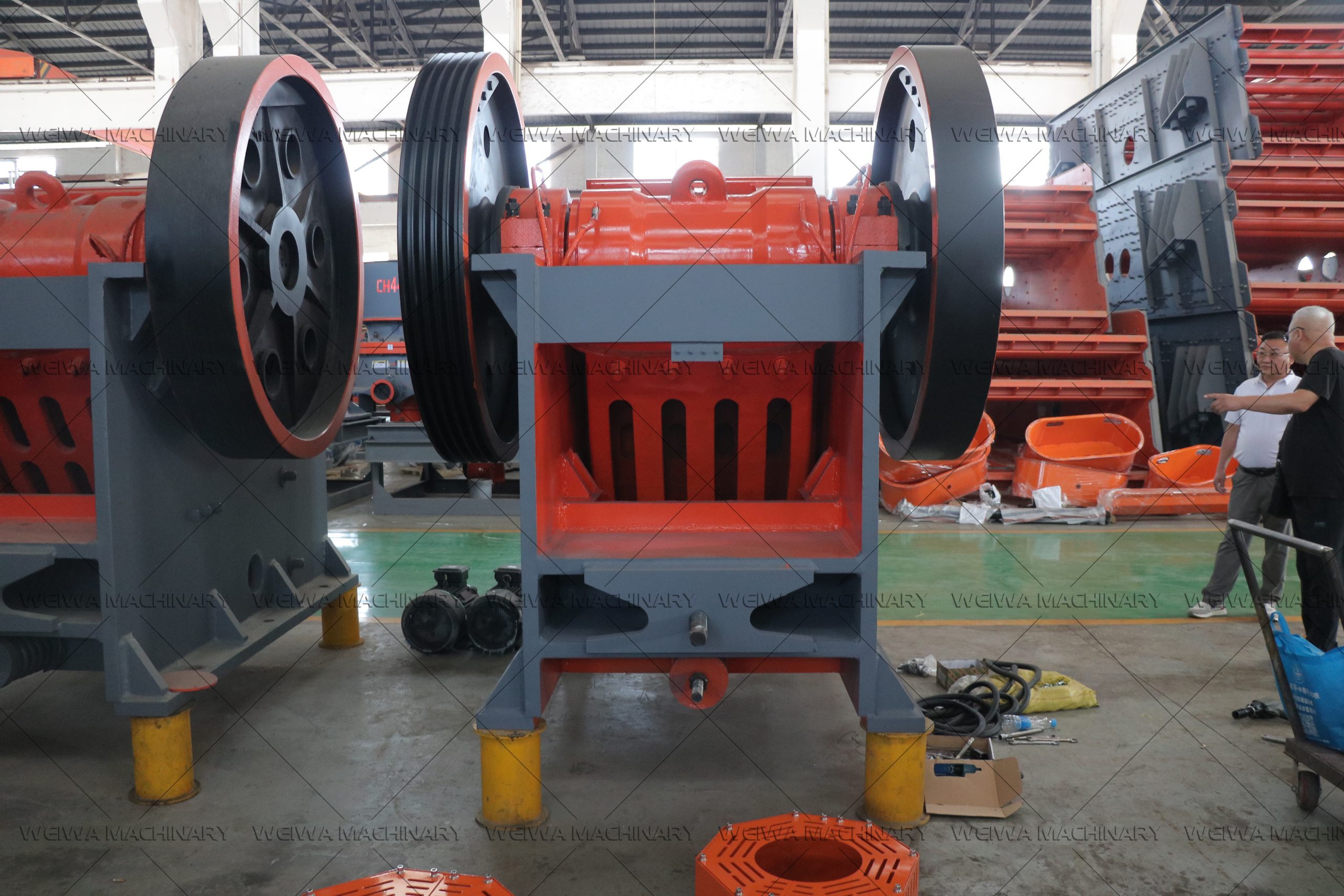
Indonesia’s mining and construction sectors are the backbone of its economy, contributing over 12% to GDP annually. With vast reserves of coal, nickel, gold, and limestone, the demand for efficient mineral processing equipment has never been higher. However, the country’s diverse terrain—from volcanic mountains to coastal plains—poses unique challenges for crushers. Traditional machines often struggle with high humidity, abrasive materials, and irregular feed sizes, leading to frequent downtime and increased operational costs.
This is where jaw crushers shine. As primary crushers, they excel at reducing large rocks (up to 1,200mm) into manageable sizes (50–300mm), making them indispensable for quarries, mines, and recycling plants. In Indonesia, where limestone is critical for cement production and nickel ore requires precise sizing for smelting, jaw crushers have become the go-to solution for maximizing throughput while minimizing energy use.
Yet, not all jaw crushers are created equal. The Indonesian market demands machines that balance power with adaptability. For example, in Sulawesi’s nickel mines, crushers must handle sticky laterite ores without clogging, while in Kalimantan’s coal fields, they need to withstand high silica content. This is why Weiwa Machinery invests heavily in R&D to design crushers with reinforced frames, adjustable discharge openings, and wear-resistant liners—features that directly address Indonesia’s operational pain points.
Why Our Jaw Crusher Stands Out in Indonesia?
When we designed the jaw crusher bound for Indonesia, we prioritized three key attributes: durability, efficiency, and ease of maintenance. Let’s break down what makes it ideal for the local market.
Durability Built for Harsh Environments
Indonesia’s tropical climate, with its high humidity and salt-laden air near coastal sites, accelerates equipment corrosion. To combat this, our crusher features a heavy-duty steel frame treated with anti-corrosion coatings. The toggle plate, a critical component prone to wear, uses alloy steel with a hardness of HRC58–62, extending its lifespan by 30% compared to standard models. During factory testing, we simulated 10,000 hours of continuous operation with abrasive basalt—equivalent to two years of typical Indonesian quarry use—and observed minimal wear on the jaw plates.
Energy-Efficient Crushing for Cost Savings
Electricity costs in Indonesia can account for up to 25% of a quarry’s operating expenses. Our jaw crusher incorporates an optimized eccentric shaft design that reduces power consumption by 15% without compromising output. The deep cavity design allows for a larger feed opening, enabling operators to process more material per hour. For a mid-sized quarry producing 500 tons/day, this translates to annual savings of $8,000–$12,000 in energy bills—a game-changer for small and medium enterprises.
User-Friendly Maintenance for Minimal Downtime
In a competitive market, every minute of downtime costs money. Our crusher simplifies maintenance with centralized lubrication points, easy-access inspection hatches, and modular components that can be replaced in under two hours. We also provide detailed manuals in Bahasa Indonesia, ensuring local technicians can perform routine checks independently. One client in Sumatra reported a 40% reduction in maintenance time after switching to our model, allowing them to meet tight delivery deadlines for construction projects.
The Journey of a Jaw Crusher
The path from our manufacturing facility in Zhengzhou to the quarry in East Java was carefully planned to ensure zero damage. Each jaw crusher undergoes a three-stage quality check: dimensional accuracy testing, load simulation, and final assembly verification. For this shipment, we added extra padding around the flywheel and motor, using shock-absorbent materials to protect against transit vibrations.
Upon arrival in Jakarta, the container was cleared by customs within 48 hours—thanks to our pre-shipment documentation support. A local logistics partner then transported the crusher via flatbed truck to the site, navigating winding mountain roads with precision. When the team unloaded the machine, the first thing they noticed was the clean paint finish—proof of our rigorous packaging standards.
Installation began immediately. Our engineers worked alongside the client’s team to align the crusher with the existing conveyor system, calibrate the discharge setting, and conduct a safety briefing. Within 72 hours, the machine was fully operational—a testament to both our engineering and the client’s preparedness.
Real-World Performance in Indonesia
The moment of truth came during the first trial run. The quarry supplied a mix of limestone and shale with a maximum feed size of 800mm. As the crusher roared to life, the jaws clamped down, reducing the rocks to uniform 150mm fragments in under 10 seconds. The operator, Mr. Budi, noted, “The vibration is much lower than our old machine. I can stand next to it without earplugs!”
Over five days of testing, the crusher processed 4,200 tons of material with an average throughput of 840 tons/day—exceeding the client’s target of 750 tons/day. Wear on the jaw plates was negligible, and the energy meter showed a consumption rate of 55kW/h, 12% below the projected 62kW/h. Most impressively, the final product met the exact specifications required by their cement plant customer: 95% passing 140mm, with minimal fines.
Mr. Budi added, “We used to spend hours adjusting the old crusher to get the right size. This one holds its setting perfectly, even when the rock type changes.” This consistency is critical in Indonesia, where fluctuating ore grades can disrupt downstream processes if not managed properly.
About Weiwa Machinery
At Weiwa Machinery, we believe that great equipment starts with understanding local needs. Founded in 1990, we have grown from a regional manufacturer to a global leader in crushing and screening technology, serving clients in over 50 countries. Our portfolio includes jaw crushers, impact crushers, cone crushers, and complete mobile crushing plants—each designed with a focus on reliability, efficiency, and sustainability.
What sets us apart is our customer-centric approach. From initial consultation to after-sales support, our team works closely with clients to tailor solutions to their specific applications. In Indonesia, we maintain a stock of spare parts in Jakarta and Surabaya, ensuring quick replacements when needed. We also offer operator training programs, conducted in Bahasa Indonesia, to help teams maximize machine uptime.
Our commitment to quality has earned us certifications like ISO 9001 and CE, but our greatest reward comes from seeing clients succeed. Whether it’s a small quarry in rural Java or a large-scale mine in Papua, we take pride in being part of Indonesia’s growth story.
As the jaw crusher continues to operate in East Java, it symbolizes more than just a piece of machinery—it represents the trust between Weiwa Machinery and the Indonesian market. We look forward to deepening these partnerships, introducing new technologies, and helping more businesses unlock their potential.
For inquiries about our crushers or to request a quote, contact us at [email protected] or call +86 18439853888. Visit our website to explore our full range of products. Together, let’s build a stronger future—one crush at a time.