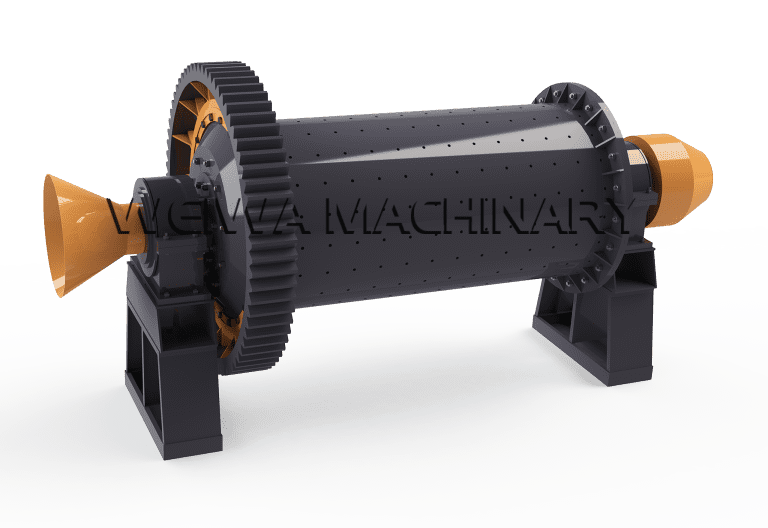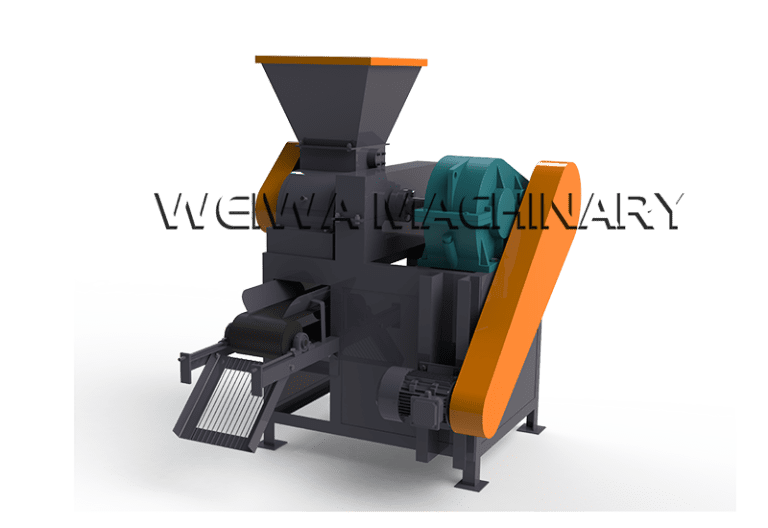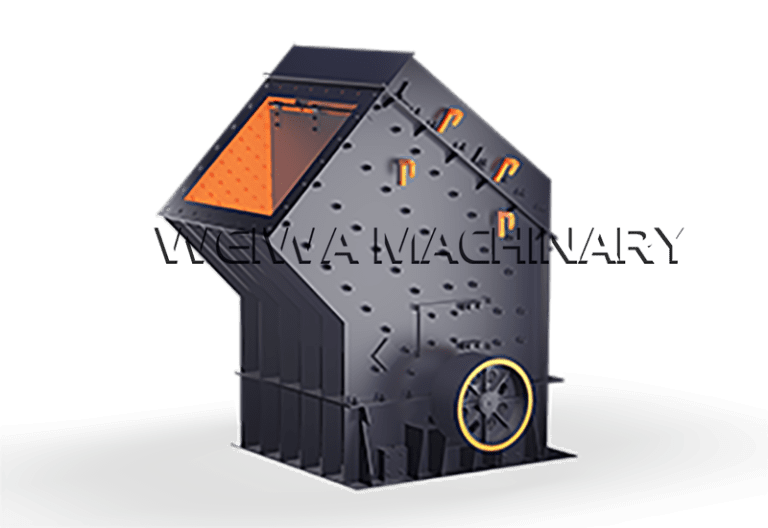
As a leading provider of industrial grinding solutions since the 1990s, Weiwa Machinery has spent over three decades helping clients worldwide optimize their material processing workflows. For Italy—a nation renowned for its precision manufacturing, world-class ceramics, and sustainable cement production—our ball mills have become indispensable tools for achieving fine particle size reduction efficiently. This blog explores the science behind ball mills, their growing role in the Italian market, and real-world trial results from our partnerships with local clients. We’ll also highlight how our crusher-ball mill integration solutions address unique Italian industry needs, all while maintaining a focus on customization, durability, and after-sales support.
Understanding Ball Mill
Before diving into Italy-specific applications, it’s critical to grasp the core principles of ball mills—machines that have defined industrial grinding for over a century. At Weiwa Machinery, we believe that educating clients on the “why” behind our technology builds trust and enables smarter decision-making.
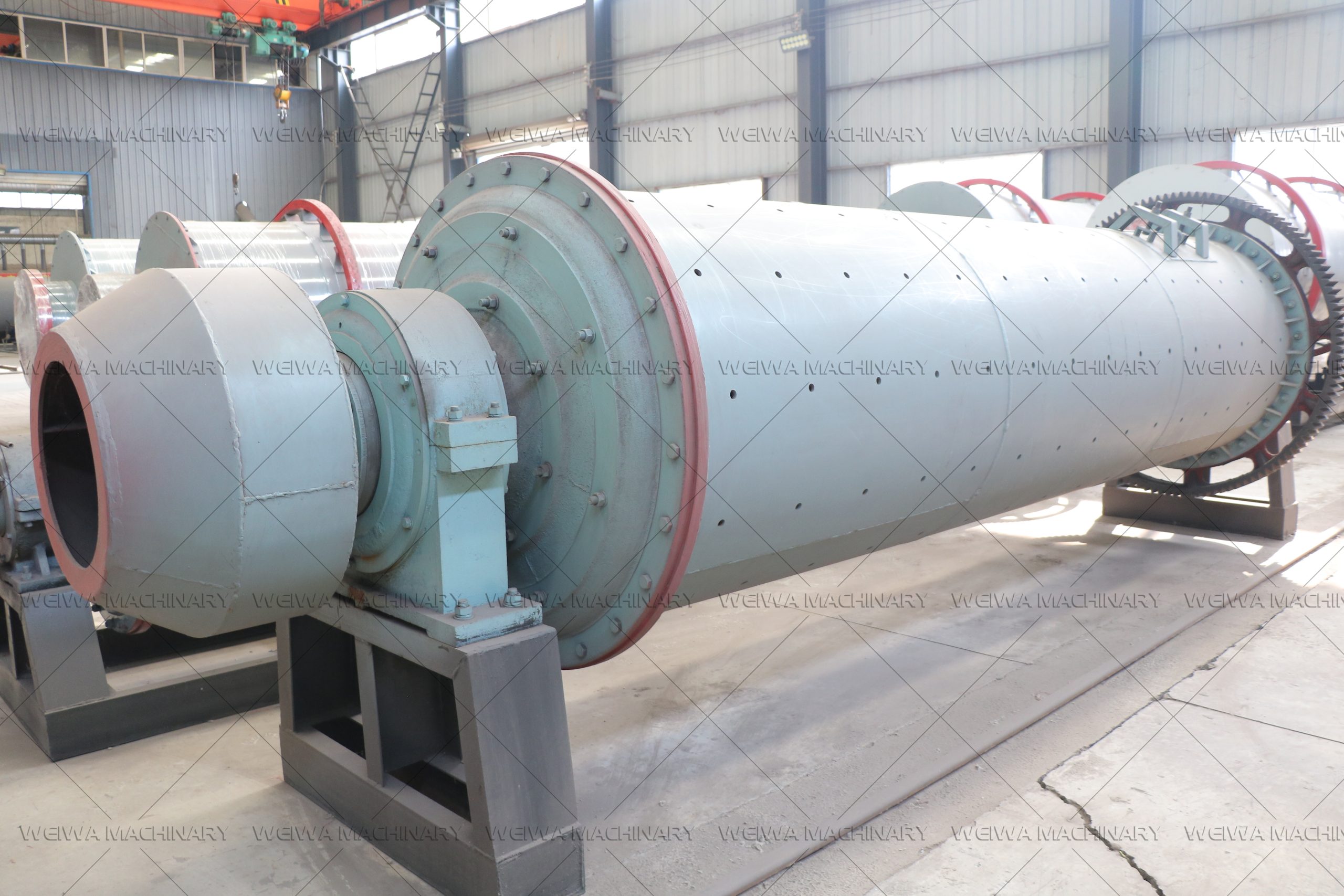
The Core Principle of Ball Mill Mechanical Comminution in Action
A ball mill is a type of grinding mill that relies on mechanical comminution—the process of reducing material size through impact and attrition. The machine consists of a rotating horizontal cylinder (typically made of steel and lined with wear-resistant materials) filled with grinding media (e.g., steel balls, ceramic balls, or natural stones). As the cylinder spins, gravity causes the media to cascade, creating a dynamic environment where particles are crushed between colliding balls and the cylinder wall. This dual-action mechanism ensures consistent particle size distribution, a key factor in product quality for industries like ceramics, cement, and mining.
Unlike other grinding methods (e.g., hammer mills), ball mills excel at producing ultra-fine powders (down to 1–10 microns) while minimizing heat generation—a critical advantage for heat-sensitive materials like pharmaceuticals or food ingredients. For Italian clients in the ceramic sector, this means achieving the smooth, uniform glazes that define premium tableware; for cement plants, it translates to stronger, more durable concrete.
Key Components of a High-Performance Ball Mill
To deliver reliable results, every ball mill must balance durability with precision. At Weiwa Machinery, our designs prioritize four core components:
- Rotating Cylinder: The heart of the mill, engineered for optimal rotation speed (typically 65–80% of critical speed) to maximize media cascading. We use high-grade steel with rubber or ceramic linings to extend lifespan in abrasive environments (e.g., ore grinding).
- Grinding Media: Selected based on material hardness and desired fineness. For Italian ceramic clients, we often recommend ceramic balls (non-contaminating); for cement plants, hardened steel balls handle clinker’s abrasiveness.
- Drive System: A combination of motors, gearboxes, and couplings that maintain stable rotation—even under heavy loads. Our variable-frequency drives (VFDs) allow operators to adjust speed for batch vs. continuous grinding.
- Feed/Discharge Mechanisms: Designed to minimize downtime. Pneumatic or screw feeders ensure consistent material input, while overflow or grate discharge systems prevent clogging during fine grinding.
Diverse Types of Ball Mills for Varied Applications
No two industries have identical grinding needs. That’s why Weiwa Machinery offers three primary ball mill configurations:
- Lab-Scale Ball Mills: Compact units for R&D or small-batch production (e.g., Italian pharmaceutical startups testing new drug formulations).
- Batch Ball Mills: Ideal for clients needing periodic grinding (e.g., seasonal food ingredient processing).
- Continuous Ball Mills: High-capacity machines for 24/7 operations (e.g., Italian cement plants processing 100+ tons/hour of clinker).
Each type can be customized for wet or dry grinding—a flexibility that matters for Italy’s water-conscious manufacturers.
Ball Mill in Italy Market Landscape Opportunities and Challenges
Italy’s industrial sector is a mosaic of precision-driven industries, each with unique grinding requirements. From the ceramic workshops of Sassuolo (home to 70% of Europe’s tile production) to the cement plants in Lombardy, ball mills are central to maintaining Italy’s reputation for quality. However, the market also presents challenges: rising energy costs, strict EU environmental regulations, and demand for customization.
Key Italian Industries Adopting Ball Mills
- Ceramics: Italy produces over 500 million square meters of tiles annually. To achieve the glossy finishes and structural integrity buyers expect, ceramic raw materials (clay, feldspar, quartz) must be ground to <10 microns. Ball mills are preferred here because they avoid contamination (unlike roller mills) and produce uniform powders.
- Cement: Italy’s cement industry contributes €5 billion annually to the economy. Ball mills grind clinker (the byproduct of kilns) into cement powder—with fineness directly impacting compressive strength. Modern Italian plants seek mills that reduce energy use by 15–20% (per EU Carbon Border Adjustment Mechanism guidelines).
- Mining: While Italy is not a major mining nation, regions like Sardinia extract zinc, lead, and barite. Ball mills process these ores into concentrates for export, requiring corrosion-resistant linings to handle acidic byproducts.
- Chemicals: Italian specialty chemical firms use ball mills to grind pigments, catalysts, and polymers—materials where particle shape (not just size) affects reactivity.
Challenges Facing Italian Buyers
Italian clients prioritize three factors when selecting ball mills:
- Energy Efficiency: With electricity prices 30% higher than the EU average, mills must minimize kWh per ton of processed material.
- Low Maintenance: Downtime costs Italian factories €10,000–€50,000 per hour—so wear parts (linings, media) must last 12+ months.
- Customization: Many Italian SMEs lack space for standard mills, requiring compact designs or modular setups.
Weiwa Machinery addresses these pain points by offering mills with VFDs (for energy savings), ceramic-tiled cylinders (for low wear), and skid-mounted designs (for easy installation in tight spaces).
Weiwa Machinery’s Tailored Ball Mill Solutions for Italy
For over 30 years, Weiwa Machinery has partnered with Italian clients to design ball mills that fit their exact needs. Our approach combines global expertise with local insights—ensuring every machine delivers value in Italy’s competitive market.
Customization Based on Italian Industry Needs
We recognize that a ball mill for a ceramic plant in Emilia-Romagna differs from one for a cement factory in Veneto. Here’s how we tailor solutions:
- Ceramic Clients: We provide wet ball mills with ceramic linings and non-metallic media to prevent iron contamination (which discolors white tiles). For a recent client in Modena, we increased their glaze fineness by 25% while reducing water usage by 18%.
- Cement Plants: Our dry ball mills feature high-efficiency separators to recycle oversized particles, cutting energy use by 22%. A Lombardy-based plant reported a 15% increase in cement strength after switching to our model.
- Mining SMEs: We offer small-scale continuous mills (1–5 tons/hour) with anti-corrosion coatings—perfect for Sardinian barite processors.
When combined with our crusher for Italy solutions (e.g., jaw crushers for initial ore sizing), clients achieve end-to-end efficiency: crushers reduce material to 20mm, ball mills take it to 10 microns.
Technical Specifications Aligned with Italian Standards
All Weiwa ball mills for Italy meet CE certification and EU Machinery Directive 2006/42/EC. Key specs include:
- Capacity: 0.5–200 tons/hour (lab to industrial scale).
- Media Size: 10–100mm (adjustable for coarse/fine grinding).
- Motor Power: 5.5–1,000 kW (energy-efficient IE3 motors).
- Control Systems: PLC-based interfaces with remote monitoring (via Wi-Fi or 4G)—a hit with Italian clients managing multiple plants.
Comprehensive After-Sales Support for Italian Clients
Weiwa Machinery’s promise doesn’t end at delivery. For Italian clients, we offer:
- 24/7 Customer Service: A dedicated team fluent in Italian, English, and German.
- On-Site Technicians: 48-hour response time for breakdowns (via our Milan service center).
- Spare Parts Inventory: Stocked in Rome and Naples to minimize wait times.
- Training Programs: On-site or virtual sessions on mill operation, maintenance, and optimization.
One Piedmontese cement plant reduced unplanned downtime by 40% after attending our training—proof that support is as important as the machine itself.
Case Study Ball Mill Trial Success in an Italian Ceramic Plant
To demonstrate the impact of our ball mills, let’s explore a real-world trial with Ceramica Toscana S.r.l., a family-owned tile manufacturer in Florence.
Client Background
Ceramica Toscana produced 2 million square meters of tiles annually but struggled with inconsistent glaze quality. Their old ball mill (from a European competitor) had a 60% uptime rate, used excessive water, and produced particles ranging from 5–50 microns (too broad for high-gloss finishes).
Weiwa’s Solution
We recommended a WBM-1500 Wet Ball Mill—a 1.5m-diameter machine with:
- Ceramic cylinder lining (to prevent iron contamination).
- Zirconia grinding media (for fine, uniform particles).
- VFD-controlled motor (to adjust speed for different clay types).
We paired this with our CJ125 Jaw Crusher (a crusher for Italy designed for ceramic raw materials) to pre-crush clay into 15mm chunks—reducing the ball mill’s workload by 30%.
Trial Results
After a 30-day trial, Ceramica Toscana reported:
- Uptime Increase: From 60% to 92% (thanks to wear-resistant linings).
- Energy Savings: 18% reduction in kWh per ton (via VFD optimization).
- Glaze Quality: Particle size distribution narrowed to 8–12 microns—resulting in a 35% increase in high-gloss tile sales.
- Water Usage: Down 22% (wet milling requires less water than their old process).
The client signed a 5-year service contract immediately, citing Weiwa’s “understanding of Italian ceramic needs.” This trial exemplifies our ball mill for Italy philosophy: solutions that blend global technology with local expertise.
Integrating Crusher and Ball Mill for Italian Manufacturing Efficiency
While ball mills handle fine grinding, crushers are essential for initial size reduction. For Italian clients, integrating both machines creates a seamless workflow—reducing labor, energy, and waste.
The Crusher-Ball Mill Synergy
Imagine an Italian limestone quarry: raw stone (up to 1 meter) is too large for ball mills. A Weiwa PE600×900 Jaw Crusher (part of our crusher for Italy line) reduces it to 50mm chunks. These chunks enter a cone crusher (for secondary reduction to 20mm), then the ball mill grinds them into cement powder. This “two-stage crushing + grinding” process cuts energy use by 25% compared to single-stage grinding.
Another example: an Italian pigment manufacturer uses our PF1214 Impact Crusher to crush bulk pigment blocks into 10mm pieces, then a ball mill refines them into 5-micron powders for paint production. The result? Faster throughput and fewer rejects.
Why Weiwa’s Crusher-Ball Mill Packages Stand Out
- Compatibility: All our crushers are designed to match ball mill feed sizes (no custom adapters needed).
- Automation: Integrated PLC systems synchronize crusher output with ball mill input—preventing overloads.
- Cost Savings: Bundling both machines reduces shipping and installation costs by 15%.
For Italian SMEs with limited capital, this package is a game-changer.
Why Weiwa Machinery Is the Preferred Partner for Italian Ball Mill Needs?
With over 2 million clients in 120 countries, Weiwa Machinery has earned its reputation as a trusted name in grinding. For Italian clients, five factors set us apart:
- 30+ Years of Experience: We’ve been designing ball mills since the 1990s—long enough to understand evolving market needs.
- Localized Support: Our Milan office employs Italian engineers who speak the language of local industry.
- Customization: No two clients are alike—we modify mills for space, material, or regulatory constraints.
- Quality Assurance: Every mill undergoes 72 hours of load testing before shipment.
- Sustainability Focus: Our energy-efficient designs help clients meet EU carbon goals.
A Venetian cement plant summed it up: “Weiwa doesn’t sell machines—they sell peace of mind.”
Introduction to Weiwa Machinery Your Global Grinding Solution Provider
Founded in the 1990s, Weiwa Machinery is a leading manufacturer of industrial grinding and crushing equipment. Headquartered in Gongyi City, Henan Province, China, we specialize in ball mills, crushers, and complete processing lines for mining, cement, ceramics, and chemicals.
Our mission is simple: help clients turn raw materials into high-value products efficiently. To date, we’ve exported to 120+ countries, served 2 million+ customers, and maintained a 98% client retention rate.
Why Choose Us?
- Expertise: Our engineers have 20+ years of experience in grinding technology.
- Customization: We build machines to your exact specs—whether you need a lab mill or a 200-ton/hour industrial unit.
- Service: 24/7 support, on-site technicians, and spare parts stocked globally.
- Quality: Premium materials and rigorous testing ensure long life in harsh environments.
Contact Us
Ready to optimize your grinding process? Reach out to our team:
- Email: [email protected]
- Phone: +86 18439853888
- Address: Dahuangye Industrial Zone, Gongyi City, Henan Province, China
Follow us for updates on new products, case studies, and industry insights. For Italian clients, ask about our ball mill in Italy trial program—we’ll bring a demo unit to your facility at no cost.
At Weiwa Machinery, we don’t just sell ball mills—we build partnerships. For Italy’s innovative manufacturers, that means delivering machines that work as hard as you do. Let’s grind towards success together.