In recent years, the global demand for sustainable energy sources has surged, and charcoal remains a vital fuel for households, industries, and small-scale enterprises across Southeast Asia. Among the technologies driving this sector forward is the ball briquette machine, a key component of modern charcoal production lines. These machines compress charcoal powder or other biomass materials into uniform briquettes that burn efficiently, produce less smoke, and are easier to transport and store.
At Weiwa Machinery, we have over thirty years of experience in manufacturing high-performance briquette making machines and complete production lines tailored to client needs. Our commitment to quality, innovation, and customer satisfaction has enabled us to expand our reach into emerging markets such as Laos, where the potential for charcoal production is significant due to abundant agricultural and forestry waste.
The Ball Briquette Machine
The ball briquette machine operates on a simple yet effective principle: it applies high pressure to powdered raw materials—such as charcoal dust, sawdust, rice husk, or coconut shells—to form dense, solid briquettes without the need for binders in many cases. This process not only reduces waste but also enhances the calorific value of the final product.
Key Components of a Ball Briquette Machine
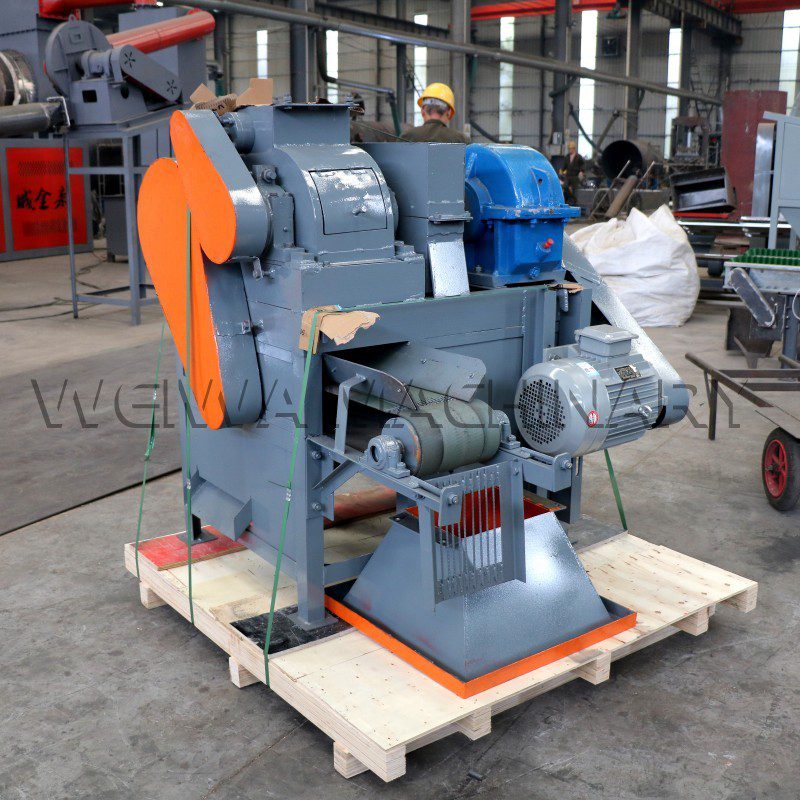
A typical ball charcoal briquette making machine includes:
- A feeding hopper for raw material input
- Rollers or pressing dies that shape the briquettes
- A power unit, often electric or diesel-driven
- Control panels for adjusting pressure and speed
- Safety mechanisms to protect operators during use
The design ensures consistent briquette size and density, which is critical for meeting market standards and improving combustion efficiency.
Why Laos Is an Ideal Market for Charcoal Production Lines?
Laos possesses vast forest resources and a growing population that relies heavily on traditional fuels like wood and charcoal. However, unsustainable harvesting practices have led to environmental concerns and deforestation. Introducing efficient charcoal making machines can help address these issues by promoting the use of agricultural residues and waste materials instead of cutting down trees.
Moreover, the government of Laos has shown interest in supporting renewable energy initiatives, creating favorable conditions for investors and manufacturers in the biomass and charcoal sectors. The combination of natural resources, economic incentives, and increasing awareness of environmental protection makes Laos a promising market for ball briquette production lines.
Weiwa Machinery’s Recent Shipment to Laos
Recently, we completed a major shipment of ball briquette machines and supporting equipment to a client in Laos. The delivery was part of a comprehensive charcoal production line project aimed at boosting local capacity for producing high-quality charcoal briquettes.
Our team worked closely with the client to customize the machinery specifications according to their raw material characteristics and production targets. Upon arrival at the site, the installation process began immediately, supported by detailed assembly manuals and remote technical guidance from our experienced engineers.
Witnessing the first batch of briquettes roll off the production line was a proud moment for both parties. The uniformity and strength of the briquettes exceeded expectations, demonstrating the reliability of Weiwa Machinery’s equipment even under challenging operational conditions.
The Process of Setting Up a Charcoal Ball Briquette Production Line in Laos
Establishing a successful charcoal ball briquette making production line involves several stages:
Site Planning and Preparation
Before installation, our engineers conduct a thorough assessment of the site to determine optimal placement of machinery, storage areas, and safety zones. We provide customized design drawings that maximize space utilization while ensuring smooth workflow between different stages of production.
Raw Material Collection and Preparation
In Laos, common raw materials include coconut shells, rice husks, sawdust, and bamboo chips. Proper drying and grinding are essential to achieve the right particle size for effective briquetting. Our clients often invest in auxiliary equipment such as rotary dryers and hammer mills to streamline this stage.
Briquetting and Drying
Once the raw materials are prepared, they are fed into the ball briquette machine, which compresses them into cylindrical or pillow-shaped briquettes. These green briquettes must then be dried to reduce moisture content, either through natural air drying or using specialized drying systems.
Quality Control and Packaging
Quality control checks ensure that each batch meets specified dimensions, density, and burning performance. Finally, the finished briquettes are packaged for distribution to local markets or export destinations.
Market Potential and Economic Benefits in Laos
The adoption of ball charcoal briquette machines in Laos offers numerous economic advantages:
- Job creation from raw material collection to machine operation and sales
- Income diversification for farmers and rural communities
- Cost savings due to higher briquette efficiency compared to firewood
- Export opportunities to neighboring countries
As awareness grows about the benefits of sustainable charcoal, we anticipate steady growth in market demand, positioning Laos as a key player in Southeast Asia’s biomass energy sector.
Technical Advantages of Weiwa Machinery’s Ball Briquette Machines
Our machines stand out in the industry for several reasons:
- Durability: Built with high-grade steel and precision engineering
- Energy Efficiency: Advanced drive systems minimize power consumption
- Ease of Maintenance: Modular components allow quick replacement
- Customization: Tailored configurations for specific raw materials
These features translate into lower operating costs and higher profitability for our clients.
Environmental Impact and Sustainability
Switching to ball briquette machines contributes significantly to environmental conservation. By utilizing waste materials that would otherwise be burned openly or left to decay, the technology reduces air pollution and greenhouse gas emissions. In Laos, promoting briquette production aligns with national goals for sustainable development and climate change mitigation.
Challenges and Solutions in Implementing Charcoal Production Lines
While the prospects are promising, there are challenges to consider:
- Initial investment requiring capital — we offer flexible financing options
- Technical expertise — we provide training programs
- Market access — we support market analysis and buyer connections
By proactively addressing these obstacles, we ensure the long-term success of every project.
Future Outlook for Charcoal Production in Laos
Looking ahead, the future of charcoal production in Laos appears bright. With increasing urbanization, rising energy prices, and growing environmental consciousness, the demand for clean-burning fuels will continue to rise. Innovations in ball briquette machine technology, such as automation and smart monitoring systems, will further enhance productivity and reduce labor requirements.
Weiwa Machinery is committed to staying at the forefront of these developments, continuously refining our products and services to meet evolving market needs.
Conclusion
The successful deployment of our ball briquette machines in Laos underscores the viability and profitability of charcoal production lines in this dynamic market. At Weiwa Machinery, we take pride in delivering solutions that empower businesses and communities alike. With decades of expertise, a dedicated after-sales team, and a passion for innovation, we are ready to support your journey toward sustainable charcoal production.
For more information, visit our website: https://crushmixplant.com/briquette-machines/briquette-making-machine.html