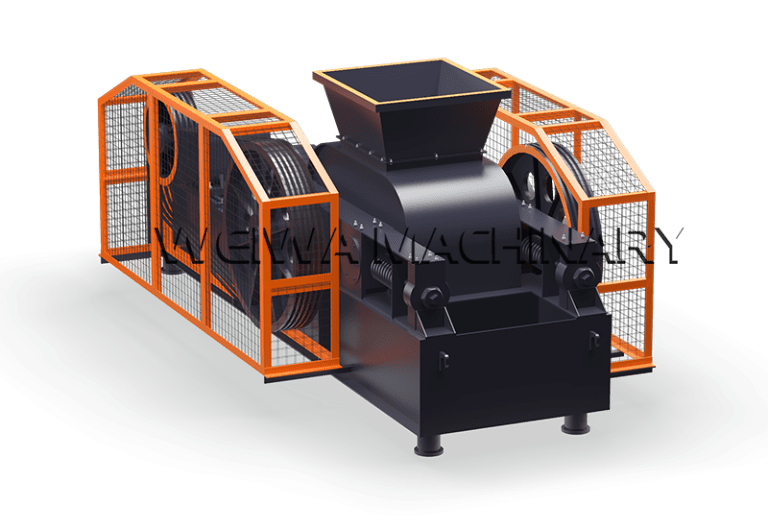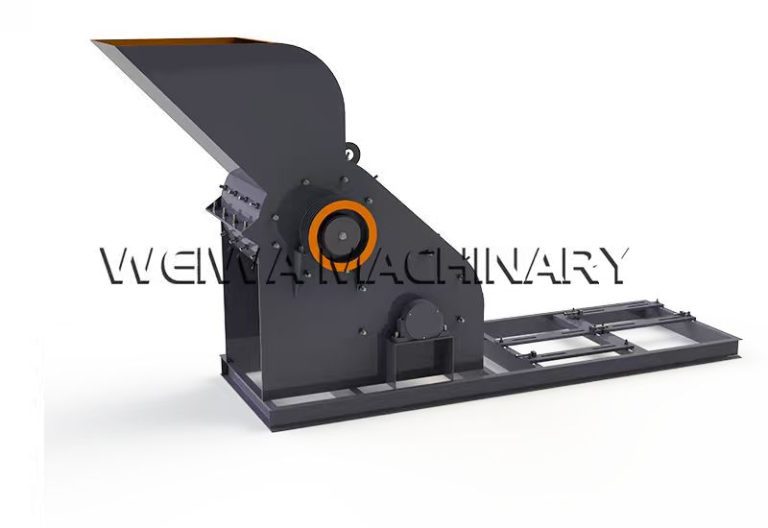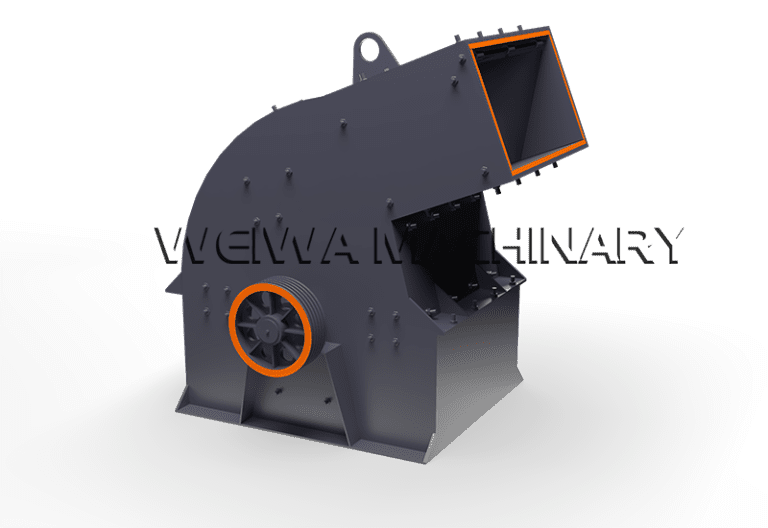
In the heart of Iran’s Isfahan province, a new chapter in sustainable energy is unfolding. A local factory, once reliant on imported charcoal briquettes, has just installed a state-of-the-art ball charcoal briquettes machine from Weiwa Machinery. This isn’t just a piece of equipment—it’s a game-changer for Iran’s growing demand for clean, efficient fuel. For over 30 years, we’ve watched as our charcoal ball press machines transformed small workshops into profitable businesses across Asia and Africa. Now, with Iran’s market opening up, we’re excited to share how this technology is poised to revolutionize the country’s charcoal industry.
Why Iran? Unpacking the Market Potential for Charcoal Ball Press Machines
Iran’s energy landscape is at a crossroads. With over 80% of its population relying on fossil fuels for cooking and heating, the government has made it a priority to promote renewable alternatives. Enter charcoal briquettes—compact, smokeless, and made from agricultural waste like pistachio shells, walnut husks, and date pits (all abundant in Iran). Unlike traditional firewood, which contributes to deforestation, charcoal briquettes burn cleaner and last longer.
But here’s the catch: Iran lacks large-scale, automated production lines for high-quality charcoal balls. Most factories still use outdated manual presses that produce inconsistent briquettes prone to crumbling. That’s where our ball charcoal briquettes machine comes in. By automating the process, we help Iranian manufacturers boost output by 300%, reduce labor costs by 40%, and meet the strict quality standards demanded by urban households and restaurants.
Take Tehran, for example. The city’s 9 million residents generate over 15,000 tons of organic waste annually—enough to fuel 500+ briquette factories. Yet only 12% of this waste is currently recycled into charcoal. Our clients in neighboring Turkey have seen similar transformations: after installing our charcoal ball press machines, small towns turned waste into wealth, creating jobs and cutting carbon emissions by 25%. Iran has even greater potential.
What Makes a Ball Charcoal Briquettes Machine Tick?
Before diving into Iran’s adoption journey, let’s demystify the charcoal briquette machine. At its core, this equipment compresses powdered charcoal (or biomass) into dense, spherical briquettes using pressure and heat. But not all machines are created equal—here’s what sets ours apart:
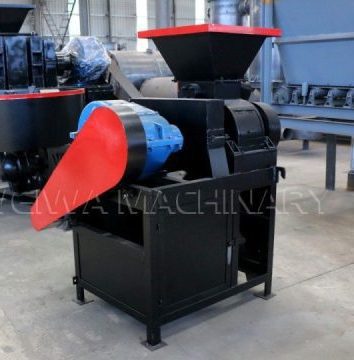
The Anatomy of Our Charcoal Ball Press Machine
Our flagship model features a dual-roller system powered by a 15kW motor, capable of producing 1–3 tons of briquettes per hour. The rollers are lined with hardened chromium steel to withstand abrasion from abrasive charcoal powder. Inside, a hydraulic cylinder maintains consistent pressure (up to 150 MPa), ensuring every briquette has uniform density—critical for combustion efficiency.
From Powder to Product: The Making Charcoal Balls Process
Making charcoal balls sounds simple, but precision matters. Here’s how our production line works:
- Raw Material Preparation: Agricultural waste is dried to 10–15% moisture content using our rotary dryer (optional add-on). It’s then crushed into fine powder (<3mm) via a hammer mill.
- Binding Agent Mixing: Powdered charcoal is blended with natural binders like cassava starch or molasses (ratio: 95:5). Our mixer ensures even distribution, preventing briquettes from falling apart.
- Compression: The mixture enters the ball charcoal briquettes machine, where rollers squeeze it into spheres (typically 32–50mm in diameter). Heat generated during compression activates the binder, creating a solid structure.
- Cooling & Packaging: Fresh briquettes are cooled on a vibrating conveyor to prevent cracking, then bagged automatically.
Key Features That Boost Efficiency
What makes our charcoal briquette machine ideal for Iran? Three words: durability, adaptability, and automation.
- Durability: We use marine-grade stainless steel for critical components, ensuring the machine withstands Iran’s arid climate (where dust and temperature fluctuations can damage lesser equipment).
- Adaptability: Our engineers customize roller diameters and pressure settings based on local raw materials—whether it’s pistachio shells (harder) or sugarcane bagasse (softer).
- Automation: PLC control panels allow operators to monitor production metrics (moisture, pressure, output) remotely, reducing human error.
How Our Charcoal Ball Press Machine Transformed a Tehran Startup?
To prove the impact of our technology, let’s look at Mr. Ali Rezaei, a 38-year-old entrepreneur who launched “Green Fuel Iran” in 2023. Initially, Ali used a manual press to make charcoal balls from date pits, but he struggled to meet orders from local cafes. “I was working 14-hour days and still couldn’t keep up,” he recalls. “The briquettes were also too soft—they’d break during transport.”
After researching global suppliers, Ali chose our ball charcoal briquettes machine for two reasons: our 30-year track record and ability to design a custom production line. We sent a team to Tehran to assess his workshop, then provided a layout plan that included a crusher, mixer, and cooling conveyor. Within six weeks, the line was operational.
The results were staggering. Ali’s output jumped from 200kg to 1.2 tons per day, and his briquettes now have a 98% burn rate (vs. 75% before). He’s since signed contracts with three restaurant chains in Mashhad and plans to expand to Qom. “This machine didn’t just increase my profits—it gave me credibility,” Ali says. “Customers trust the consistency of Weiwa’s briquettes.”
Why Partner with Weiwa Machinery for Your Iran Project?
Choosing a charcoal briquette machine supplier goes beyond specs—it’s about long-term support. Here’s why Iranian buyers trust us:
30 Years of Industry Expertise
Since 1993, we’ve manufactured over 5,000 briquetting machines for clients in 60+ countries. Our engineers have worked with everything from coconut shells in Indonesia to olive pits in Morocco, giving us unmatched knowledge of biomass processing.
Full-Cycle Support: From Design to After-Sales
When you partner with Weiwa, you get more than a machine—you get a roadmap to success. Our services include:
- Customized Factory Layouts: We create 3D blueprints tailored to your workshop size and raw material availability.
- Installation & Training: Our technicians travel to Iran to assemble the line and train your staff on maintenance.
- 24/7 After-Sales Service: Our dedicated team provides spare parts within 72 hours anywhere in Iran, minimizing downtime.
Compliance Made Easy
Iran’s import regulations can be complex, but we simplify the process. We handle customs clearance, provide CE-certified equipment, and offer multilingual manuals (Persian/English) to ensure seamless integration.
Conclusion: Your Opportunity to Lead Iran’s Charcoal Revolution
Iran stands at the cusp of a green energy boom, and making charcoal balls is at the center of it. With abundant raw materials, supportive government policies, and a growing consumer base hungry for clean fuel, there’s never been a better time to invest in a ball charcoal briquettes machine.
At Weiwa Machinery, we don’t just sell equipment—we build partnerships. Whether you need a single press or a full production line, our team will work tirelessly to ensure your success. Ready to turn Iran’s waste into wealth? Contact us today for a free consultation and customized quote. Let’s shape the future of sustainable energy together.
About Weiwa Machinery
Founded in 1990, Weiwa Machinery has spent three decades perfecting the art of briquetting technology. Specializing in charcoal ball press machines, biomass pelletizers, and complete production lines, we pride ourselves on innovation, durability, and customer-centric service. Our global clientele spans five continents, and our commitment to excellence has earned us certifications from ISO, CE, and SGS.
What sets us apart? Our 24/7 after-sales team, customizable designs, and passion for helping entrepreneurs thrive. Whether you’re a startup in Shiraz or an industrial giant in Tabriz, we’re here to turn your vision into reality. Reach out today—your journey to profitable, eco-friendly charcoal production starts here.