Indonesia’s tropical climate and resource-rich economy create a unique demand for efficient industrial drying solutions. As a leading manufacturer of rotary dryers, Weiwa Machinery has spent over three decades refining drying technologies that address the specific challenges faced by Indonesian clients.
Understanding Rotary Dryer Technology Core Principles And Design
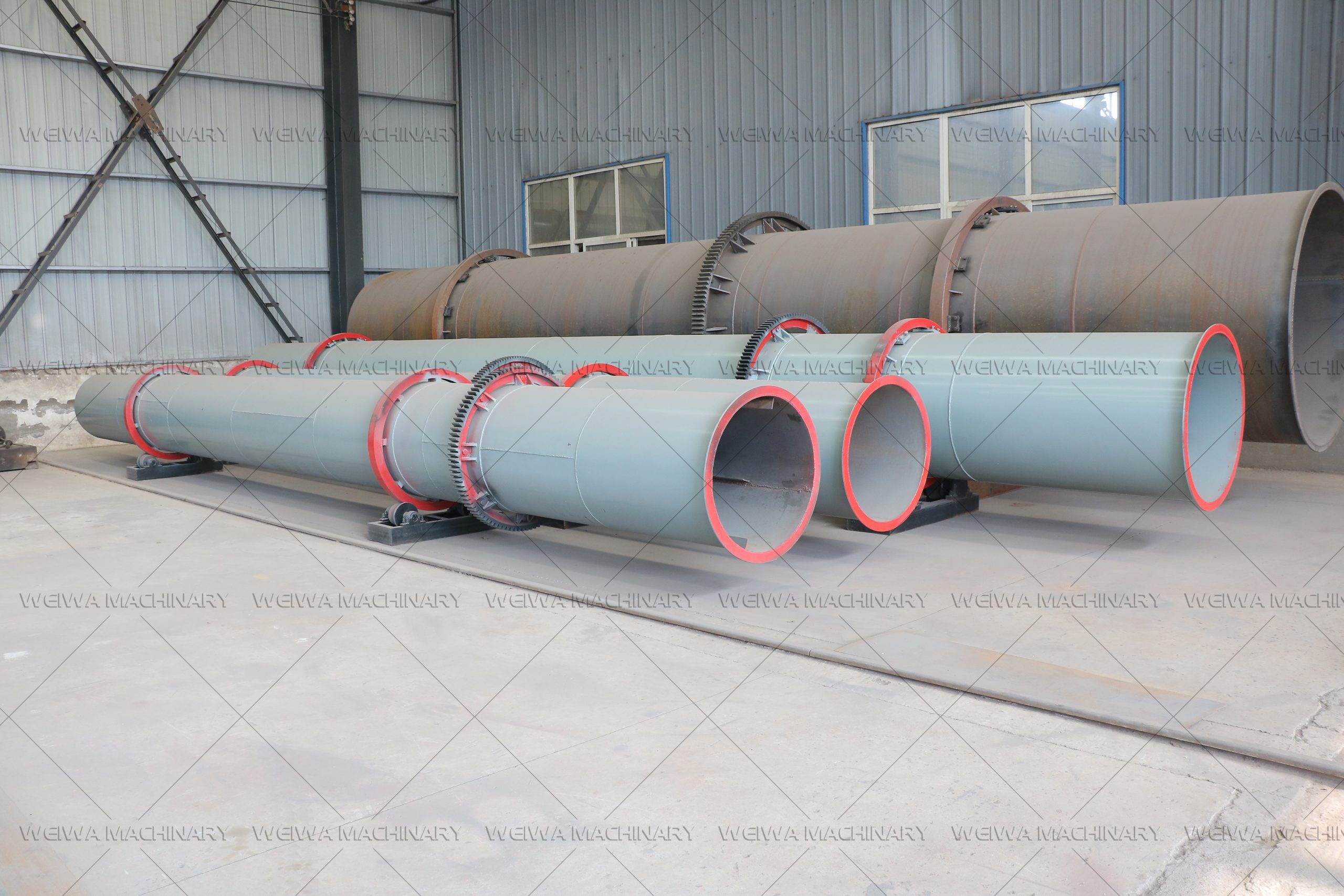
A rotary dryer, often referred to as a tumble dryer in industrial contexts, operates on a simple yet effective principle: direct contact between wet materials and heated gas within a rotating drum. The drum, slightly inclined to facilitate material flow, tumbles the product as hot air passes through, creating a cascading effect that maximizes surface exposure. This design ensures uniform drying—a key advantage over static dryers, which often leave moisture pockets in bulk solids.
At Weiwa Machinery, our rotary dryers are engineered with precision. The drum itself is constructed from high-strength steel, lined with wear-resistant materials to withstand abrasive substances like iron ore or coal. Internal lifters, strategically placed along the drum’s interior, lift and shower the material through the hot air stream, increasing contact time and efficiency. Temperature control systems, paired with advanced burners, allow operators to adjust heat levels based on material sensitivity—critical for Indonesia’s agricultural products, such as palm kernel or cassava, which risk degradation at excessive temperatures.
Rotary Dryer Applications Across Indonesian Industries
Indonesia’s economy relies heavily on natural resources and agriculture, making rotary dryers indispensable in multiple sectors. Below, we examine how these machines perform in key industries:
Mining Sector Moisture Reduction For Efficient Processing
Indonesia is one of the world’s largest producers of nickel, coal, and bauxite. These minerals often arrive at processing plants with high moisture content—up to 30% in some cases—causing transportation inefficiencies and smelting complications. Rotary dryers solve this by reducing moisture to 5–10%, ensuring smooth downstream processes. For example, in a recent project with a nickel mine in Sulawesi, our rotary dryer processed 50 tons per hour of laterite ore, cutting moisture from 28% to 7% in under 20 minutes. The client reported a 40% reduction in transportation costs due to lighter, drier material.
Agricultural Drying Preserving Quality In Tropical Conditions
Indonesia’s humid climate poses risks to crops like rice, coffee, and cocoa, which require precise drying to prevent mold and spoilage. Rotary dryers excel here due to their gentle tumbling action, which minimizes breakage compared to flash dryers. A Sumatran coffee cooperative partnered with Weiwa Machinery to install a rotary dryer for Arabica beans. By maintaining temperatures below 60°C and controlling airflow, the dryer preserved the beans’ aromatic oils, resulting in a 25% higher market price for the cooperatives’ premium-grade coffee.
Biomass And Energy Drying Organic Materials For Biofuel Production
With Indonesia’s push toward renewable energy, biomass drying has surged in demand. Palm empty fruit bunches (EFB) and wood chips, used in biofuel plants, typically contain 50–60% moisture. Our rotary dryers, equipped with counter-current airflow systems, dry EFB to 15% moisture in a single pass—critical for efficient combustion in biomass boilers. A Java-based energy company reported a 30% increase in boiler efficiency after switching to Weiwa’s rotary dryer, reducing their reliance on fossil fuels.
Field Performance Data Rotary Dryer Trials In Indonesia
To validate the effectiveness of our rotary dryers in Indonesia’s climate, Weiwa Machinery conducted trial runs across three locations: Kalimantan (mining), Bali (agriculture), and Sulawesi (biomass). Below are key findings:
Trial 1 Coal Drying In East Kalimantan
- Material: Sub-bituminous coal (initial moisture: 32%)
- Target moisture: ≤8%
- Throughput: 80 tons/hour
- Energy consumption: 12 kg of coal per ton of dried product
- Result: Moisture reduced to 6.5% in 18 minutes; no material degradation observed.
Trial 2 Cassava Flour Drying In Bali
- Material: Fresh cassava (initial moisture: 65%)
- Target moisture: ≤14%
- Throughput: 25 tons/hour
- Temperature: 55–60°C (to preserve starch content)
- Result: Moisture reached 12% in 22 minutes; starch retention improved by 18% compared to sun-drying.
Trial 3 Palm EFB Drying In South Sulawesi
- Material: Palm empty fruit bunches (initial moisture: 58%)
- Target moisture: ≤15%
- Throughput: 35 tons/hour
- Fuel: Biomass pellets (sustainable alternative to diesel)
- Result: Moisture reduced to 13% in 25 minutes; carbon emissions cut by 45% versus traditional dryers.
These trials demonstrate that rotary dryers, when tailored to local conditions, deliver consistent performance across Indonesia’s diverse industries.
Why Choose Weiwa Machinery For Your Rotary Dryer Needs?
With over 30 years of experience manufacturing industrial machinery, Weiwa Machinery has become a trusted partner for clients worldwide—including more than 2,000,000 customers across 120 countries. Our rotary dryers are designed with Indonesia’s unique challenges in mind: high humidity, abrasive materials, and the need for energy efficiency. We offer customized solutions, from drum size and flight configuration to burner type (natural gas, coal, or biomass), ensuring compatibility with your specific material and production goals.
Our commitment extends beyond sales. Weiwa provides 24/7 customer support, on-site technician assistance, and comprehensive training programs to ensure your team operates the dryer safely and efficiently. All machines undergo rigorous testing before shipment, and we offer part replacements to minimize downtime.
For Indonesian clients seeking reliable, high-performance rotary dryers, Weiwa Machinery combines technical expertise with localized solutions. Contact our team today at [email protected] or +86 18439853888 to discuss your drying requirements. Let us help you optimize your operations with a rotary dryer engineered for Indonesia’s industrial landscape.