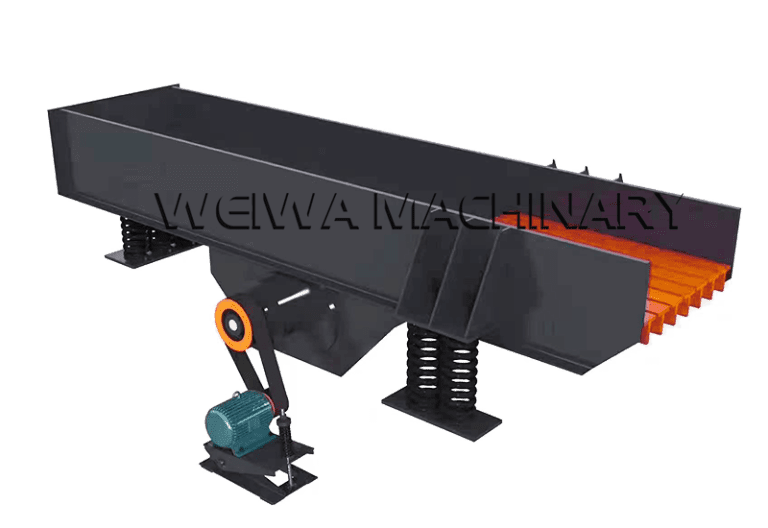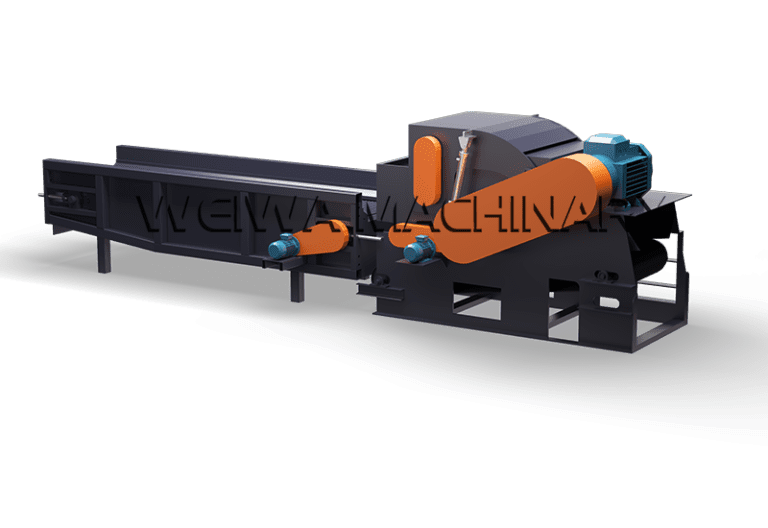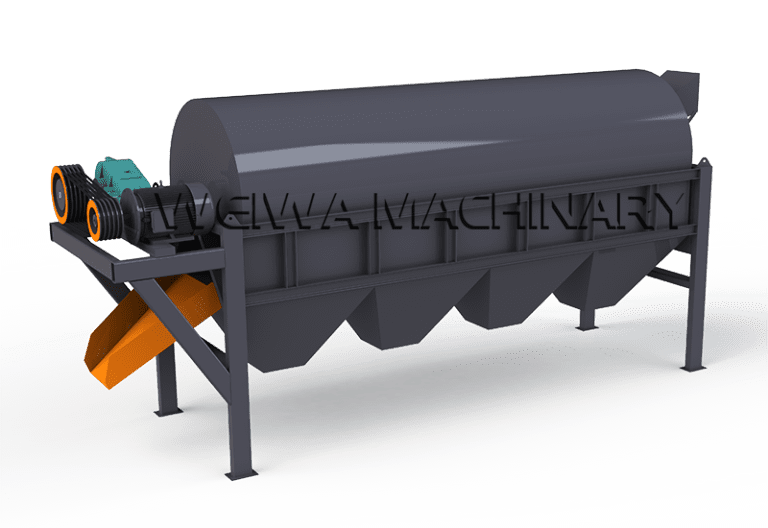
In recent years, Brazil has emerged as one of the most dynamic markets for industrial machinery, particularly in sectors like mining, agriculture, construction, and waste management. Among the many types of equipment gaining traction, the rotary screen—also known as a drum screen or trommel screen—has become an essential tool for material classification and separation. At Weiwa Machinery, we have been closely working with Brazilian clients to provide high-performance rotary screens for Brazil, tailored to meet the unique demands of local industries.
What Is a Rotary Screen and Why Is It Gaining Popularity in Brazil?
Understanding the Rotary Screen
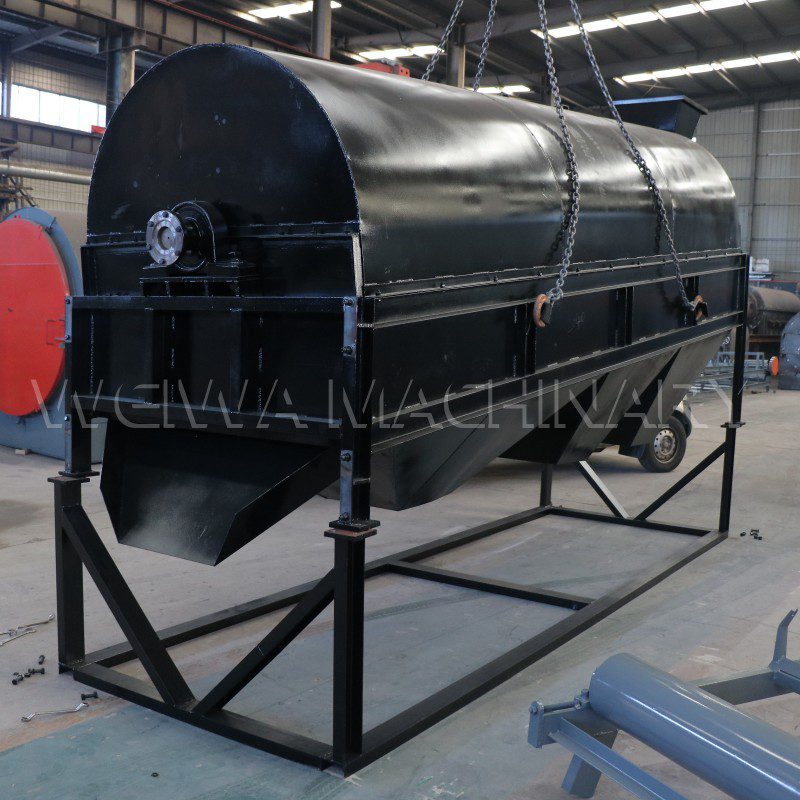
A rotary screen, or drum screen, is a mechanical screening device used to separate materials by size. It consists of a cylindrical or conical drum that rotates around a horizontal or slightly inclined axis. As the material is fed into the drum, it moves along the interior surface, allowing smaller particles to pass through perforations while larger ones are discharged at the end.
The simple yet efficient design makes the rotary screen ideal for handling a wide range of materials, including aggregates, ores, biomass, municipal solid waste, and more.
The Rise of Rotary Screens in Brazil
Brazil’s diverse industrial landscape has created a strong demand for versatile and robust screening solutions. From mining operations in the Minas Gerais region to agricultural waste management in the southern states, and from construction projects in São Paulo to recycling initiatives in Rio de Janeiro, the need for effective material separation has never been greater.
The rotary screen in Brazil has become especially popular due to its:
- High throughput capacity
- Low maintenance requirements
- Adaptability to various materials
- Compact yet sturdy build
As Brazilian companies continue to prioritize efficiency and sustainability, the adoption of advanced screening technologies like the rotary screen for Brazil is rapidly increasing.
Applications of Rotary Screens Across Brazilian Industries
Mining and Mineral Processing
In Brazil’s rich mining sector, rotary screens are widely used for sizing ore, separating waste rock, and preparing materials for further processing. Their ability to handle high volumes of abrasive materials makes them ideal for use in iron ore, bauxite, and gold mining operations.
Agriculture and Biomass
Brazil’s position as a global leader in agriculture means there’s a constant need to process crop residues, compost materials, and biomass. Rotary screens help separate fine organic matter from larger debris, aiding in the production of high-quality fertilizers and biofuels.
Construction and Demolition Waste
With ongoing infrastructure development, managing construction waste efficiently is crucial. Rototary screens in Brazil are used to sort debris, separate usable aggregates, and ensure recyclable materials are recovered effectively.
Municipal Solid Waste Management
Urban centers in Brazil are increasingly adopting mechanical screening systems to improve waste sorting and recycling rates. The rotary screen for Brazil plays a pivotal role in separating organics, plastics, and inert materials in waste treatment plants.
Why Brazilian Clients Choose Weiwa Machinery for Their Rotary Screens?
At Weiwa Machinery, we’ve had the privilege of supplying rotary screens to Brazil for several years. Our clients range from small-scale operators to large industrial conglomerates, all of whom value our commitment to quality, customization, and service excellence.
Here’s what sets us apart:
Customized Solutions for Local Needs
We understand that one size does not fit all. That’s why we work closely with each client to design rotary screens for Brazil that match their specific operational requirements, material types, and site conditions.
Proven Trial Performance
Before full deployment, we conduct rigorous rotary screen trials both at our facility and, when possible, on-site in Brazil. These trials allow us to demonstrate the equipment’s performance, durability, and efficiency under real-world conditions.
Robust Build Quality
Our rotary screens are built with high-grade materials to withstand the challenging environments often found in Brazil—from humid tropical regions to arid mining sites. This ensures a longer service life and reduced downtime.
Comprehensive After-Sales Support
Our relationship with clients doesn’t end at delivery. We provide technical guidance, spare parts availability, and remote troubleshooting to ensure your rotary screen in Brazil continues to perform at its best.
Testing the Rotary Screen in Brazil
One of our most insightful experiences came from a trial project with a medium-sized mining company based in Belo Horizonte, Minas Gerais. They were looking for an efficient way to classify iron ore fines before sending them to the magnetic separation plant.
The Challenge
The client was using a static vibrating screen but faced issues with clogging, uneven distribution, and frequent maintenance downtime. They needed a more reliable solution that could handle high volumes without compromising on separation accuracy.
Our Solution
We recommended our model WS-1200 rotary screen, customized with a slightly inclined drum and abrasion-resistant liners. The rotary screen was designed to handle up to 150 tons per hour with a screening accuracy of 95% for the desired particle size.
The Results
Once installed, the rotary screen for Brazil delivered outstanding results:
- Throughput increased by 25%
- Downtime reduced by 60%
- Minimal material clogging
- Easy maintenance and cleaning
The client reported significant improvements in operational efficiency and a noticeable reduction in energy consumption. The success of this trial has led to additional orders and a long-term partnership.
How the Rotary Screen Works?
For those unfamiliar with the technology, here’s a simplified breakdown of how a rotary screen operates:
- Material Feeding: Raw material is introduced into the rotating drum.
- Screening Process: As the drum rotates, material moves along the length of the screen. Smaller particles fall through the perforations, while larger ones are carried to the discharge end.
- Separation: The separated fractions are collected in different chutes for further processing or disposal.
- Drum Design: The perforation size, drum angle, and rotation speed can all be adjusted to achieve the desired separation.
This straightforward yet highly effective mechanism is what makes the rotary screen such a valuable asset across multiple industries.
Benefits of Using a Rotary Screen in Industrial Operations
1. Efficient Material Separation
The rotating action ensures a more uniform distribution of material across the screening surface, leading to better separation efficiency compared to traditional vibrating screens.
2. Reduced Clogging
Thanks to the tumbling motion inside the drum, materials are less likely to stick or block the screening apertures, especially when dealing with moist or sticky substances.
3. Versatility
Rotary screens can be used for wet or dry screening, and with various mesh sizes, making them suitable for a wide array of applications.
4. Lower Maintenance
With fewer moving parts and a simple design, rotary screens generally require less maintenance than other screening systems, resulting in lower operational costs.
Tips for Choosing the Right Rotary Screen for Your Brazilian Operation
When selecting a rotary screen for Brazil, consider the following factors to ensure optimal performance:
- Material Type: Is it abrasive, sticky, wet, or dry?
- Desired Output Size: What are your screening goals?
- Capacity Requirements: How much material do you need to process per hour?
- Site Conditions: Consider space limitations, humidity, and temperature.
- Customization Needs: Do you need a specific drum length, inclination, or liner material?
At Weiwa Machinery, we guide our clients through this decision-making process to ensure the delivered rotary screen in Brazil aligns perfectly with their operational goals.
The Growing Demand for Rotary Screens in Brazil
The future looks promising for the rotary screen market in Brazil. With increased investments in infrastructure, mining, and sustainable waste management, the need for efficient screening solutions will only grow.
Emerging trends that will influence this demand include:
- Automation and Smart Screening: Integration with IoT sensors for real-time monitoring.
- Sustainable Practices: Emphasis on recycling and waste recovery.
- Localized Manufacturing and Support: Demand for faster delivery and regional service centers.
Weiwa Machinery is committed to staying ahead of these trends, ensuring our clients in Brazil receive not just equipment, but a partnership geared toward long-term success.
Partnering with Weiwa Machinery for Your Rotary Screen Needs
If you’re searching for a dependable, high-performing rotary screen in Brazil, look no further than Weiwa Machinery. With years of experience, a proven track record, and a deep understanding of the Brazilian industrial landscape, we are your ideal partner for all screening solutions.
From initial consultation to after-sales support, we are dedicated to helping you achieve maximum efficiency with your rotary screen for Brazil. Our trial results speak for themselves, and our clients continue to trust us for quality and reliability.
About Weiwa Machinery
Weiwa Machinery is a leading manufacturer of industrial screening and processing equipment, specializing in rotary screens, vibrating screens, and customized material handling solutions. With a strong focus on quality, innovation, and customer satisfaction, we serve clients in over 30 countries, including Brazil, South America, Africa, and Southeast Asia.
Our mission is to provide efficient, durable, and cost-effective solutions that empower our clients to achieve their operational goals. Whether you need a standard model or a fully customized rotary screen, our team is ready to assist.
Email: [email protected]
Phone: +86 18439853888
Contact us today to learn more about our rotary screens for Brazil or to request a personalized quote. Let’s build a stronger, more efficient future—together.