In recent years, the demand for sustainable and efficient fuel alternatives has been growing across Southeast Asia. Among these markets, Laos stands out as a country with rich biomass resources, an increasing need for energy independence, and a government that supports green technology initiatives. As a result, the use of a ball briquette machine in charcoal production is becoming a key solution for local businesses and environmental advocates alike. At Weiwa Machinery, we have over thirty years of experience in manufacturing high-quality charcoal making machines and designing complete charcoal ball briquette making production lines.
Understanding the Ball Briquette Machine and Its Role in Charcoal Production
A ball briquette machine is a mechanical device used to compress powdered or granular materials into solid, dense balls or briquettes. In the context of charcoal production, these machines transform fine charcoal dust or biomass powder into uniformly shaped briquettes that are easier to handle, store, and transport. Unlike loose charcoal powder, briquettes burn more efficiently and produce less smoke, making them suitable for both household cooking and industrial heating applications.
The core principle behind the machine involves applying pressure through rollers or molds to bind raw material particles together without using adhesives. Often, natural lignin present in biomass serves as the binder during compression. For charcoal applications, the raw material typically comes from coconut shells, sawdust, rice husks, or even bamboo residues — all abundant in Laos.
The Rise of Charcoal Production Line Solutions in Laos
Laos has seen a surge in interest toward modernizing its traditional charcoal-making methods. Historically, charcoal was produced in simple kilns, leading to inconsistent quality, low efficiency, and significant environmental pollution. However, the introduction of a full charcoal production line incorporating a ball briquette machine offers a cleaner, scalable, and economically viable alternative.
With the right configuration, a charcoal making machine in Laos can process raw biomass into premium-grade charcoal briquettes within a closed-loop system. This not only ensures better control over product quality but also reduces waste and emissions. Furthermore, these production lines can be tailored to match local raw material availability and desired output volumes.
At Weiwa Machinery, we specialize in delivering customized solutions that integrate seamlessly into existing operations or new ventures. Our expertise includes designing detailed layout plans, optimizing workflow, and ensuring compliance with environmental regulations.
Technical Insights Into Ball Briquette Machines
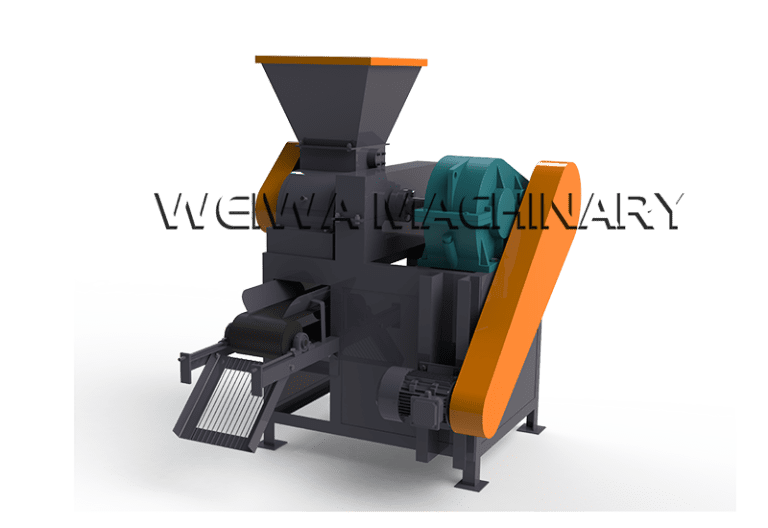
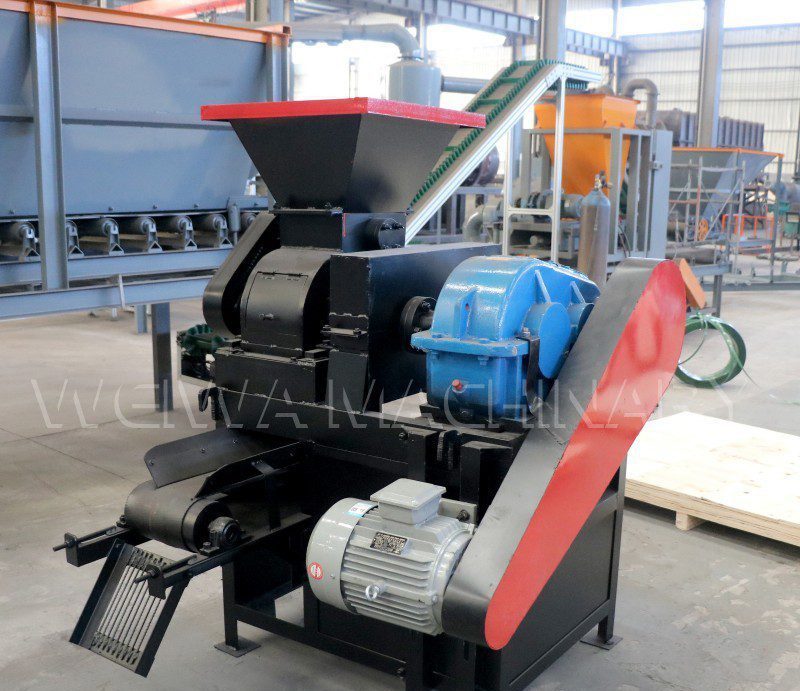
To appreciate the capabilities of a ball charcoal briquettes machine, it helps to understand its components and operation. Most models consist of the following parts:
- Feeding System: Transports raw material into the compression chamber.
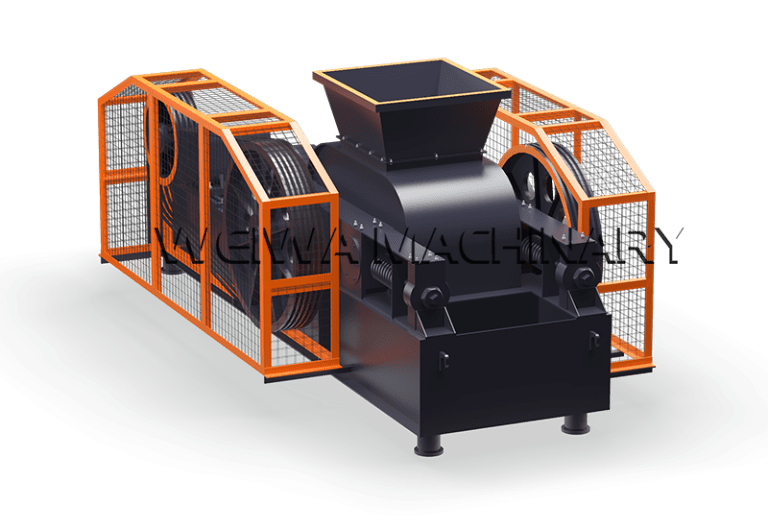
- Compression Unit: Features two counter-rotating rollers or a screw mechanism that applies immense pressure to form briquettes.
- Mold Assembly: Determines the shape and size of the final briquette; common shapes include round, oval, and square.
- Ejection Mechanism: Pushes finished briquettes out for cooling and packaging.
The entire process is automated to varying degrees depending on the model and scale. Energy consumption is relatively low compared to other densification equipment, which makes it suitable for rural areas in Laos where electricity supply may be limited.
Additionally, our machines are built with durable materials such as alloy steel to withstand abrasive charcoal dust and prolonged operational hours. Maintenance requirements are minimal, but we provide comprehensive training and support to ensure longevity and optimal performance.
Environmental and Economic Benefits in the Lao Context
One of the most compelling reasons to adopt a charcoal ball briquette making production line in Laos is its positive impact on both the environment and economy. Traditional charcoal production contributes significantly to deforestation and air pollution. By utilizing agricultural waste and processing it into briquettes, producers can reduce reliance on wood cutting and promote circular economy principles.
From an economic standpoint, briquettes offer higher calorific value per unit weight than loose charcoal, allowing sellers to command better prices. Moreover, their uniform shape enables mechanized packing and distribution, reducing labor costs. For small and medium enterprises (SMEs) in Laos, investing in a ball briquette machine opens doors to new revenue streams and access to regional export markets.
Government incentives aimed at promoting renewable energy further sweeten the deal. Several provinces in Laos are actively seeking partnerships with foreign manufacturers like Weiwa Machinery to establish local production hubs. These collaborations often come with tax breaks, land grants, and technical assistance programs.
Customization and After-Sales Support by Weiwa Machinery
No two projects are exactly alike, especially when dealing with diverse geographical and climatic conditions. That’s why Weiwa Machinery places strong emphasis on customization. Whether you need a compact unit for village-level production or a large-scale industrial setup, we can design a charcoal production line that meets your specific needs.
Our team conducts thorough site assessments before drafting detailed engineering drawings. We consider factors such as raw material storage, moisture levels, power supply stability, and workforce skill sets. Once the plant layout is finalized, we oversee installation and commissioning to guarantee smooth startup operations.
Post-installation, our dedicated after-sales service team remains available around the clock. From troubleshooting mechanical issues to advising on operational best practices, we ensure your investment continues to deliver returns long after deployment. Spare parts availability is guaranteed, and our engineers can travel to Laos if necessary to resolve complex challenges on-site.
Case Study A Successful Installation in Central Laos
To illustrate the real-world impact of our technology, let’s look at a recent project in central Laos. A local cooperative sought to replace its outdated kiln-based charcoal process with a modern, efficient system. They chose Weiwa Machinery for our reputation and technical know-how.
We began by analyzing their primary feedstock—a mix of coconut shell and hardwood sawdust. Based on the analysis, we recommended a dual-stage charcoal making machine in Laos coupled with a high-pressure ball briquette machine. The entire line was housed in a semi-enclosed facility designed to minimize dust dispersion and manage heat effectively.
Within three months of installation, the cooperative doubled its output while reducing fuel consumption by 30%. The briquettes produced were tested for combustion efficiency and found to outperform traditional charcoal in both duration and heat intensity. Local restaurants and households quickly adopted the new product, creating a loyal customer base almost overnight.
This case underscores the transformative potential of adopting advanced machinery in developing economies. It also highlights the importance of choosing a reliable partner who understands local dynamics and global standards.
Future Outlook for Ball Briquette Machines in Laos
Looking ahead, the prospects for ball charcoal briquettes machines in Laos appear highly promising. Urbanization is driving up energy demands, while climate change concerns are pushing regulators to favor cleaner fuels. Against this backdrop, briquettes made from renewable sources will likely become the preferred choice for many consumers and industries.
Technological advancements will continue to improve machine efficiency and reduce capital expenditure. Innovations such as IoT-enabled monitoring systems could soon allow operators in remote areas to track production metrics in real time. Such developments would make it even easier for Lao entrepreneurs to manage profitable ventures with minimal overhead.
Weiwa Machinery is committed to staying at the forefront of these trends. Our R&D department constantly evaluates new materials and processes to enhance product performance. As we expand our footprint in Southeast Asia, Laos remains a priority market due to its strategic location and untapped potential.
Why Choose Weiwa Machinery for Your Charcoal Production Needs?
With over thirty years of industry experience, Weiwa Machinery has earned a reputation for excellence in manufacturing and service. Our portfolio spans dozens of countries, and we take pride in delivering turnkey solutions that exceed client expectations. When you choose us, you benefit from:
- Proven expertise in designing and building charcoal production lines
- High-quality, long-lasting ball briquette machines engineered for heavy-duty use
- Comprehensive after-sales support including maintenance, spare parts, and operator training
- Tailored designs that reflect your unique operational requirements and budget constraints
- Full documentation and engineering drawings to facilitate permits and construction
We invite you to contact us today to discuss your project and request a quote. Let us help you harness the power of modern briquetting technology to create a greener, more profitable future in Laos.
About Weiwa Machinery
Weiwa Machinery is a leading manufacturer of industrial equipment specializing in charcoal making machines and ball briquette machines. With more than 30 years of experience, we have established ourselves as a trusted name in the field of biomass processing and renewable energy solutions. Our professional after-sales team provides unparalleled support, from initial consultation and custom design to installation and ongoing maintenance. We offer complete charcoal ball briquette making production line packages tailored to each client’s needs, including detailed site planning and technical guidance. Contact us now to get started on your journey toward efficient, eco-friendly charcoal production.