In West Africa, few countries present as much opportunity and complexity for bulk material processing as Ghana. From the rich gold belts of the Ashanti Region to the fast-growing aggregate and agricultural sectors around Accra, Kumasi, and Takoradi, operators face a constant challenge: how to separate valuable material efficiently, gently, and reliably under tough site conditions. For more than three decades, Weiwa Machinery has engineered bulk-material equipment for exactly these environments, and our rotary screen solutions have become one of the most requested products among Ghanaian customers seeking stable throughput and low operating costs.
A rotary screen, sometimes called a drum screen or roller screen, is not a new invention, but it remains one of the most effective tools for size classification in mining, quarrying, recycling, and agriculture. In Ghana, where many sites deal with sticky clays, variable ore grades, and mixed construction and demolition waste, the gentle tumbling action of a rotary screen provides significant advantages over high-vibration alternatives.
Understanding the Rotary Screen and Its Role in Ghana
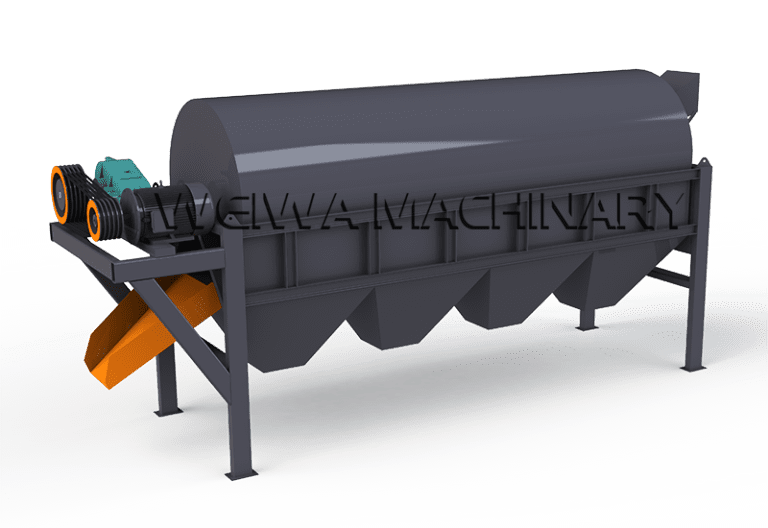
A rotary screen operates on a simple principle. A cylindrical drum, slightly inclined relative to the horizontal axis, rotates slowly around its centerline. Bulk material is fed into the elevated end of the drum. As the drum turns, material tumbles forward under gravity and rotational motion. Finer particles pass through perforations or mesh panels along the drum shell, while oversized material exits at the lower end. Unlike vibrating screens, which rely on aggressive vibration to stratify material, a rotary screen uses continuous rolling movement. This distinction matters greatly in Ghana, where many materials—especially alluvial gold ores, lateritic soils, and moist aggregates—tend to clog or blind traditional screening systems.
When we discuss a rotary screen in Ghana, we are usually addressing two major application areas: mining and quarrying, and agriculture or agro-processing. In the gold sector, particularly in small and medium-scale operations, the ability to remove oversize rock while retaining fine, mineral-rich material is critical. In quarries supplying road-base and concrete aggregates, a rotary screen for Ghana must handle high clay content, intermittent rainfall, and fluctuating feed gradations. Agricultural users, such as grain handlers and fertilizer blenders, benefit from the gentle handling characteristics of rotary screens, which reduce product degradation and preserve quality.
How a Rotary Screen Handles Ghana’s Challenging Materials?
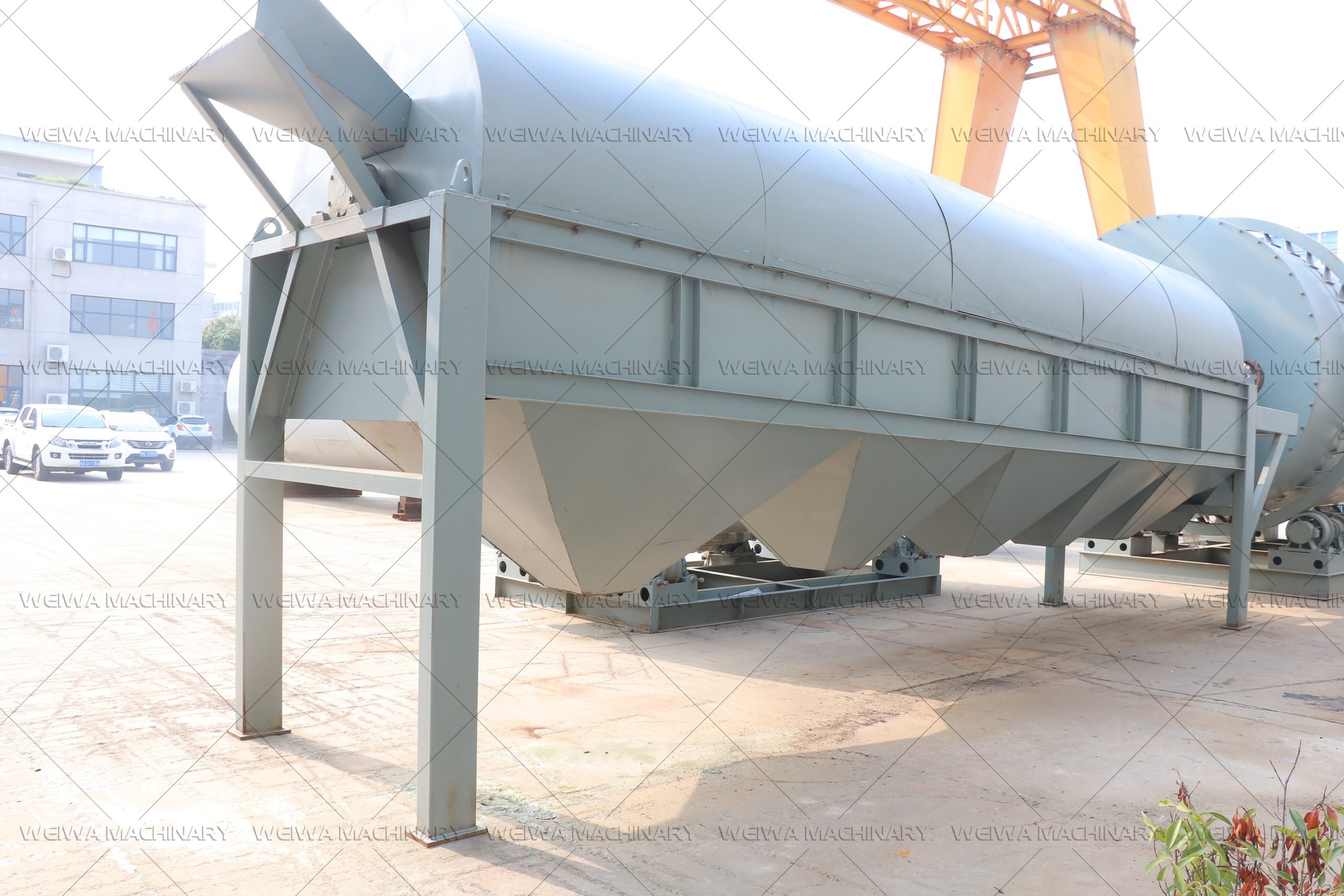
Ghanaian operators frequently encounter wet, sticky, or abrasive feeds. In the south, heavy seasonal rains increase moisture levels in excavated material. In the north, dusty, dry conditions create different flow problems. A properly designed rotary screen adapts to both extremes. The inclined drum promotes self-cleaning, as oversize material constantly rubs against the screen surface, dislodging fines and reducing blinding. The slow rotational speed minimizes impact forces, protecting fragile materials such as seeds, dried cassava chips, or recycled glass cullet. For abrasive gold ores or granites, Weiwa reinforces drum structures with wear liners, ensuring long service life even under continuous operation.
Rotary Screen Technology and Customization for Ghanaian Projects
Selecting a rotary screen for Ghana is not simply a matter of choosing a standard machine. Every project presents unique constraints: feed size distribution, required cut points, hourly throughput, site footprint, and power availability. At Weiwa Machinery, we approach each inquiry with a full engineering review. Our rotary screens are available in multiple drum diameters and lengths, with aperture sizes ranging from a few millimeters to over one hundred millimeters. This flexibility allows us to match the machine precisely to the customer’s target separation size.
One of the most important technical considerations for any rotary screen in Ghana is drive configuration. Many sites lack stable three-phase power, especially in remote mining areas. We design drive systems compatible with diesel gensets, hydraulic drives, or direct electric motors, depending on client infrastructure. Sealed bearings, heavy-duty gearboxes, and corrosion-resistant coatings protect critical components from dust, humidity, and occasional washdowns using untreated water.
Structural Design and Site Adaptability
A rotary screen must endure more than just material wear. In Ghana, machines are often relocated between sites as contracts shift or mining faces advance. Weiwa builds modular rotary screens that can be disassembled into manageable sections for transport on flatbed trucks or containers. On-site assembly requires only basic lifting equipment and standard tools. For permanent installations, we provide reinforced support structures, walkways, and integrated feed hoppers, creating a complete screening station rather than an isolated piece of equipment.
Another customization area involves screen media selection. Depending on the application, a rotary screen may use punched plates, woven wire mesh, or hybrid combinations. For sticky gold ores, we often recommend polygonal drum designs or internal lifter bars that improve material turnover. For agricultural products, stainless steel mesh ensures hygiene and prevents contamination. Each decision is guided by the practical realities of Ghanaian operations, not generic international standards.
Trial Results from Ghanaian Customers
Technical specifications alone cannot prove a machine’s value. Real-world performance determines whether a rotary screen becomes a long-term asset or an expensive disappointment. Over the past several years, Weiwa Machinery has supplied rotary screens to multiple Ghanaian customers across mining, aggregates, and agriculture. While confidentiality agreements prevent detailed disclosure of individual projects, aggregated trial data clearly demonstrates the effectiveness of our design philosophy.
During a typical commissioning process, we begin with a site visit or detailed video survey. Our engineers evaluate feed material characteristics, including particle size distribution, moisture content, and abrasiveness. Based on this analysis, we configure the rotary screen drum diameter, length, aperture pattern, and rotational speed. Once installed, the machine undergoes progressive load testing, starting with partial feed and advancing to full capacity.
In one gold mining trial in the Ashanti Region, a Weiwa rotary screen processed approximately 60 tons per hour of alluvial material with high clay content. Before installing the rotary screen, the customer relied on static grizzlies and manual labor to remove oversize rocks, a method that limited throughput and increased downtime during rain events. After switching to the rotary screen, the plant achieved consistent separation at 10 mm and 30 mm cut points, with minimal blinding despite wet feed conditions. The customer reported reduced rehandling of oversize material and improved recovery rates from downstream gravity concentrators.
In another case involving a recycled aggregates producer near Accra, a rotary screen for Ghana was deployed to process construction and demolition waste. The feed included concrete rubble, bricks, wood fragments, and plastics. By adjusting drum speed and screen aperture, the operator successfully separated fine aggregates suitable for road sub-base while rejecting oversized debris. Noise levels remained low compared to previous vibrating screen setups, improving worker comfort and reducing complaints from nearby residents.
Agricultural trials have shown similar benefits. A grain handling cooperative in northern Ghana tested a Weiwa rotary screen for cleaning maize and soybeans before storage. The gentle tumbling action removed broken kernels, stalks, and foreign matter without damaging whole grains. Moisture-sensitive crops benefited from the open drum design, which allowed airflow and reduced spoilage risk during humid weather. Operators appreciated the simplicity of maintenance, noting that screen panels could be replaced quickly without specialized tools.
Operational Advantages Observed Across Ghana
Across these diverse applications, several consistent advantages emerge whenever a rotary screen is correctly applied in Ghana. First, energy consumption remains relatively low because the drum rotates slowly and does not require high-frequency vibration. Second, structural stress is minimized, resulting in fewer cracks, loose bolts, or fatigue failures compared to high-impact screening systems. Third, the enclosed or semi-enclosed drum design reduces dust emissions, supporting better environmental compliance and safer working conditions. Finally, the straightforward mechanical layout means local technicians can maintain the machine using standard spare parts, avoiding dependence on overseas suppliers for every repair.
Comparing Rotary Screens with Other Screening Technologies in Ghana
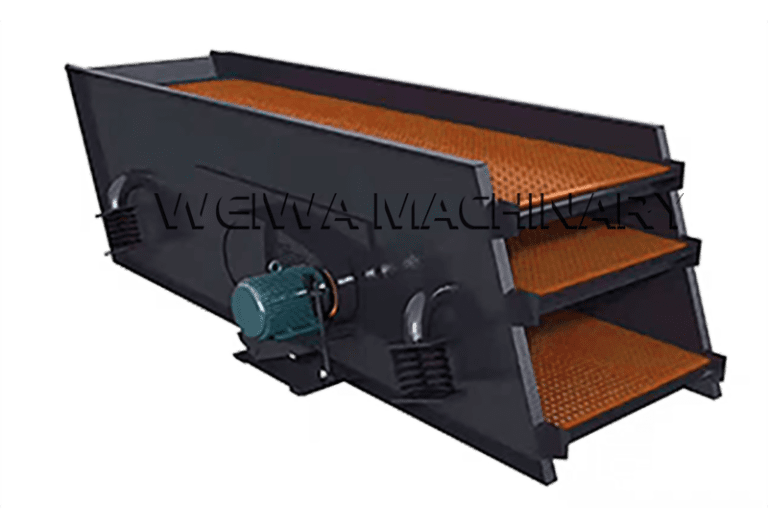
No single screening technology fits every situation. In Ghana, vibrating screens, trommel screens, and rotary screens each occupy specific niches. Vibrating screens excel in high-throughput, dry applications where sharp separation is required and material is free-flowing. However, they struggle with sticky or irregular feeds, which are common in Ghanaian mining and recycling. Trommel screens share similarities with rotary screens but often lack the robust construction needed for heavy-duty mining duty cycles. A properly engineered rotary screen bridges this gap, offering durability, adaptability, and consistent performance across varying feed conditions.
For customers deciding between a rotary screen in Ghana and alternative technologies, the key questions revolve around material characteristics, required cut precision, and site logistics. If the material is prone to blinding, contains high moisture, or includes fragile components, a rotary screen typically outperforms vibrating systems. If the site demands frequent relocation or operates in remote areas with limited maintenance resources, the simplicity of a rotary screen becomes a decisive advantage.
Supporting Ghanaian Operators Beyond Equipment Supply
At Weiwa Machinery, we understand that selling a rotary screen is only the beginning of a long-term relationship. Our responsibility extends to ensuring that every rotary screen for Ghana operates reliably throughout its service life. We provide comprehensive technical documentation, operational training, and remote troubleshooting support. Spare parts packages are tailored to each machine, ensuring customers can perform routine maintenance without extended downtime. For larger projects, we arrange on-site commissioning assistance, helping local teams master start-up procedures, safety protocols, and performance optimization techniques.
Local partnerships also play a vital role in our strategy. By collaborating with Ghanaian dealers, transporters, and service providers, we shorten response times and reduce logistical costs. When a customer needs urgent spare parts or technical advice, proximity matters. Our goal is not merely to export machinery but to integrate into Ghana’s industrial ecosystem, supporting jobs, skills development, and sustainable growth.
Rotary Screens and Ghana’s Industrial Growth
Looking ahead, demand for efficient material separation in Ghana will only increase. Infrastructure expansion, urbanization, and mineral exploration continue to drive investment in crushing, screening, and washing plants. At the same time, environmental regulations are tightening, requiring better control of dust, noise, and waste streams. A modern rotary screen aligns perfectly with these trends, delivering high throughput with minimal environmental disturbance.
Innovation remains central to our roadmap. Weiwa is actively developing smart monitoring features for rotary screens destined for Ghana and other markets. Sensors embedded in the drum assembly can track rotational speed, vibration, bearing temperature, and material flow rates. This data enables predictive maintenance, preventing unexpected breakdowns and extending equipment life. Combined with remote diagnostics, these technologies empower Ghanaian operators to run their plants more efficiently, even with limited on-site technical staff.
Choosing the Right Rotary Screen Partner in Ghana
Selecting a rotary screen in Ghana should never be a purely price-driven decision. The true cost of ownership includes energy consumption, maintenance frequency, spare parts availability, and technical support responsiveness. A low-cost machine that fails frequently or cannot handle local material conditions ultimately proves far more expensive than a well-engineered solution from an experienced manufacturer.
Weiwa Machinery brings over thirty years of specialized experience in bulk material processing equipment. Our rotary screens are not generic imports but purpose-built machines refined through countless field applications. Whether you operate a gold mine in the forest belt, a quarry along the coast, or an agricultural processing facility in the savannah, we can configure a rotary screen for Ghana that meets your exact requirements.
If you are evaluating screening options for your next project, we invite you to contact our team. Let us analyze your material, understand your production goals, and propose a solution backed by real engineering expertise. Together, we can build a more efficient, reliable, and profitable operation.
About Weiwa Machinery
Weiwa Machinery is a global provider of crushing, screening, and material handling solutions, serving mining, construction, recycling, agriculture, and cement industries worldwide. With more than 30 years of manufacturing experience, we have delivered equipment to over 120 countries and supported more than two million customers. Our rotary screens, crushers, and complete processing plants are known for robust construction, precise engineering, and responsive after-sales service. From initial consultation to spare parts supply, Weiwa stands beside its clients to ensure long-term performance and value.
Contact Us
Email: [email protected]
Phone: +86 18439853888
Website: https://crushmixplant.com/related-equipments/roller-screen.html