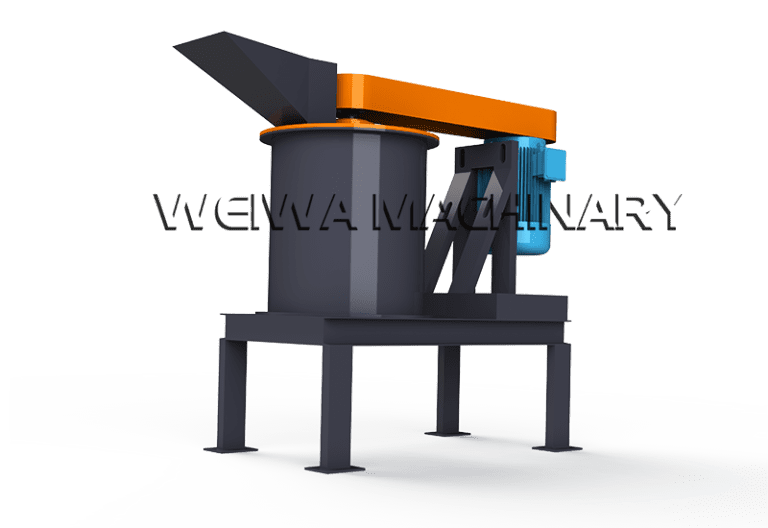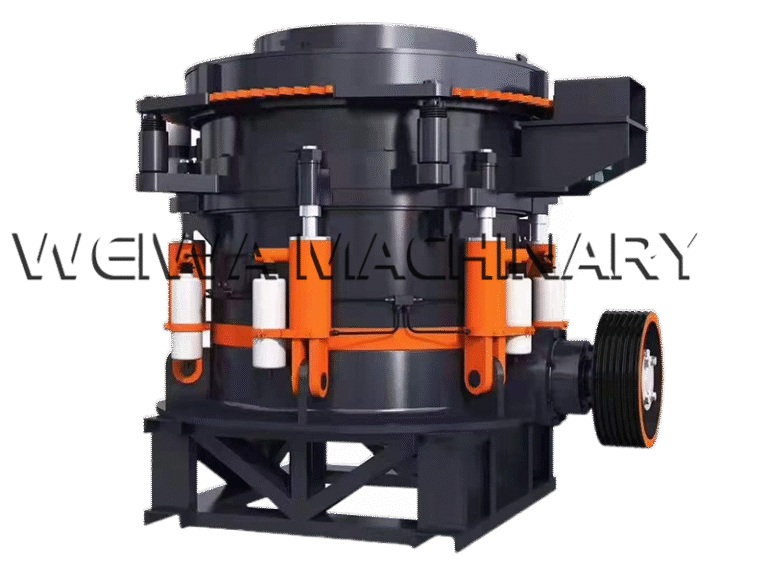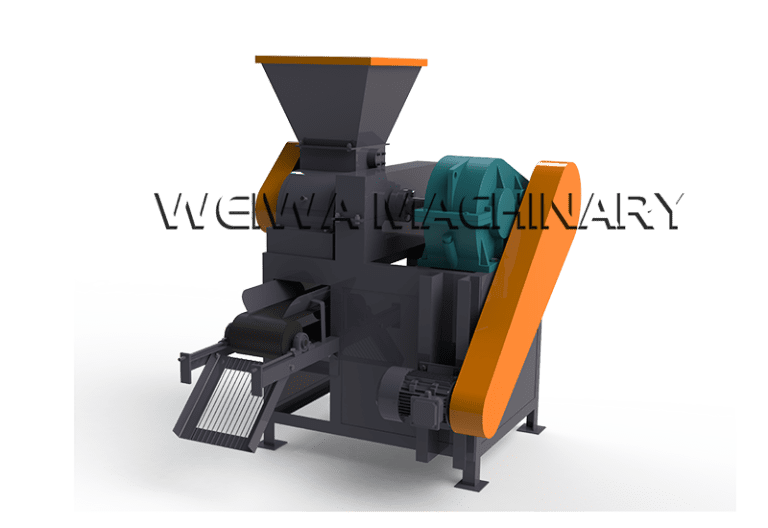
Recently, Weiwa Machinery completed the factory acceptance test and international shipment of a High Strength Roll Crusher to one of our long-term partners in the Republic of Benin, West Africa. This delivery represents more than just another export order—it reflects the growing demand for reliable Crusher in Benin, especially in the limestone quarrying, laterite processing, and small-to-medium cement production sectors that are expanding across Cotonou, Porto-Novo, and the interior regions of Benin.
Why Benin’s Crushing Industry Needs the High Strength Roll Crusher?
Benin’s economy relies heavily on agriculture, but in recent years infrastructure development—especially road construction, urban housing, and cross-border trade logistics—has driven noticeable growth in the domestic demand for construction aggregates and processed mineral raw materials. Many quarries in southern and central Benin extract laterite, soft limestone, and weathered sandstone, which are then used for base course material, concrete aggregate, or as feedstock for small cement grinding units.
Traditional jaw crushers are common in the region, but they often generate excessive fines, suffer from uneven product grading, and require frequent toggle-plate or jaw-plate replacement when processing sticky or moisture-bearing material. In contrast, the High Strength Roll Crusher uses a compression-crushing principle between two counter-rotating alloy-steel rollers. This produces a more uniform particle size distribution, reduces over-crushing, and handles damp or slightly sticky feed better than impact-style machines—an important advantage in Benin’s tropical climate where seasonal rainfall can raise moisture content in pit-run material.
For a Crusher in Benin application, the roll crusher’s low dust generation, reduced noise footprint, and relatively simple maintenance routine also align with the operational preferences of local plant owners who may have limited access to specialized technical labor. The Roll Crusher for Benin supplied by Weiwa Machinery was therefore specified with a hydraulic gap-adjustment system, wear-resistant toothed/smooth interchangeable roller shells, and a sealed bearing housing to protect against dust ingress in hot, dry conditions.
Technical Overview of Weiwa High Strength Roll Crusher
Compression Crushing Principle and Roller Design
The core of the High Strength Roll Crusher in Benin project is a pair of horizontally mounted rollers engineered from high-manganese alloy steel, surface-hardened through a proprietary heat treatment process. Material is drawn into the nip angle by friction and compressed until it fractures along natural cleavage planes. Because size reduction occurs mainly by inter-particle compression rather than high-velocity impact, the product has fewer elongated particles and a narrower top-size spread.
Hydraulic Gap Adjustment and Drive System
Operators in Benin reported that the ability to adjust the roller gap from 5 mm to 40 mm—without stopping the machine—was a decisive factor in their purchase decision. Weiwa’s hydraulic adjustment system allows fine control of the discharge size to match changing market requirements for coarse base material versus finer manufactured sand. The drive consists of two high-torque electric motors coupled with heavy-duty helical-bevel gearboxes, sized to start under load and maintain stable RPM even when occasional tramp material passes through.
Safety Overload Protection and Dust Sealing
To prevent damage from uncrushable objects such as rebar or large steel scraps occasionally mixed with recycled concrete, the crusher incorporates spring-and-hydraulic overload relief. When excessive pressure is detected, the movable roller retracts momentarily then automatically resets. Combined with labyrinth-type seals and external grease-lubricated bearings, this design minimizes unplanned downtime—a key consideration for remote Crusher in Benin installations.
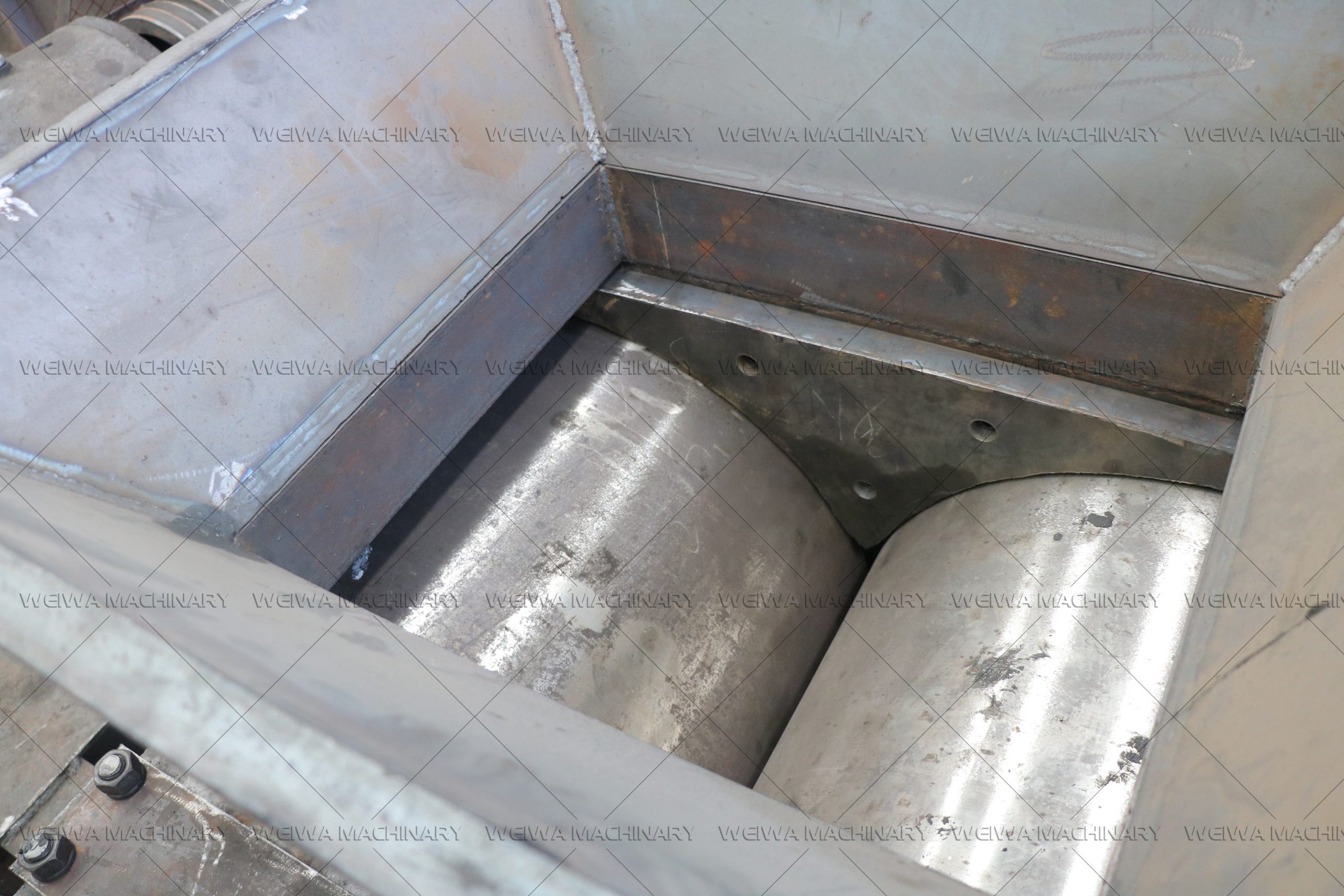
Pre-Shipment Shop Test at Weiwa Machinery Factory
Before crating and container loading, every High Strength Roll Crusher exported by Weiwa Machinery undergoes a comprehensive workshop trial. For the Benin unit, we ran a simulated batch of limestone with compressive strength approximately 120–150 MPa and feed sizes ranging from 50 mm to 180 mm. The crusher was operated continuously for four hours under loaded conditions.
Key observations recorded during the shop test:
The machine achieved a stable throughput of approximately 80–100 tons per hour with the roller gap set at 20 mm. Discharge size analysis showed that more than 90 percent of the product passed a 25 mm square mesh, with only 8 percent below 5 mm—confirming the low-fines characteristic of roll crushing. Bearing temperature stabilized below 65 °C after the first 90 minutes. Noise level measured at 1 meter from the housing was under 78 dB(A), well within typical industrial limits. Vibration amplitudes on both the fixed and floating roller housings remained inside the green zone of our condition-monitoring chart.
Upon completion of the test, our QC team inspected roller surface wear (visually negligible after the test period), verified the hydraulic pressure hold capability, and packaged the crusher together with one set of spare roller shells, a hydraulic power pack, and bilingual operation/maintenance manuals in English and French—the latter being important for on-site technicians in Benin.
On-Site Commissioning and Trial Run in Benin
The container arrived at the client’s site near a limestone quarry in southern Benin approximately 35 days after departure from our Gongyi factory. After foundation alignment, motor wiring, and safety guard installation—assisted remotely by Weiwa’s technical engineer via video call—the Roll Crusher for Benin was energized for a phased commissioning.
Phase One – No-Load Run: The crusher was run empty for 30 minutes to confirm correct rotation direction, verify lubrication oil flow to both bearings, and check that the hydraulic gap-setting indicator matched the physical gap measured with feeler gauges. All parameters were normal.
Phase Two – Loaded Trial with Local Limestone: The plant fed run-of-quarry limestone with an approximate top size of 150 mm and average moisture around 3–4 percent. Roller gap was set to 22 mm. Over a two-hour trial run the following performance was documented by the client’s plant manager:
Actual feed rate averaged 75–85 t/h depending on feeder consistency. Product size distribution showed a well-graded curve with d₅₀ ≈ 16 mm and d₈₅ ≈ 28 mm. Oversize above 30 mm was less than 5 percent by weight. Power draw per motor fluctuated between 37 kW and 45 kW, confirming good energy efficiency relative to the processed tonnage. The hydraulic gap adjustment was exercised twice during the trial—shifting from 22 mm to 15 mm and back—to demonstrate responsiveness; no interruption to the feed system was required.
Operators noted that the scraping devices kept roller surfaces clean even when a small amount of clay-rich material entered with the limestone. Dust emission around the crusher was minimal thanks to the enclosed upper hopper and the sealed roller chamber, an observation that pleased both the site management and the local environmental inspector who visited during startup week.
The client formally accepted the equipment based on these trial-run results and proceeded to integrate the High Strength Roll Crusher in Benin into their daily 10-hour production shift, feeding a vibrating screen to split the crusher output into 0–5 mm, 5–20 mm, and 20–40 mm fractions for sale to local ready-mix concrete suppliers and road contractors.
Typical Applications of Roll Crusher for Benin Industries
Limestone and Laterite Quarrying for Aggregates
Benin has several active limestone and laterite extraction sites supplying road-base and concrete aggregate. The Crusher in Benin quarry segment benefits from the roll crusher’s ability to produce cubical particles with low flakiness index, which improves the compaction and bonding characteristics of the final asphalt or concrete mix. Because the roll crusher does not rely on impact blow bars that rapidly wear when processing abrasive rock, operating cost per ton can be lower over the medium term despite a slightly higher initial equipment footprint compared to small hammer mills.
Small Cement Plants and Raw Material Preparation
A number of mini-cement plants and grinding units in West Africa crush raw mix components—limestone, laterite, and corrective silica—prior to ball mill grinding. A High Strength Roll Crusher upstream of the mill reduces the feed size to a consistent range (commonly 15–30 mm), which increases mill throughput and reduces grinding media consumption. Uniformity of the roll crusher product is especially valuable here because it stabilizes the raw meal chemistry entering the kiln or the vertical roller mill.
Coal and Gypsum Crushing in Industrial Boiler or Board Plants
Although less common in Benin than in larger regional economies, some agro-processing and building-board factories require gentle crushing of gypsum or imported coal. The compressive action of the roll crusher minimizes generation of ultra-fines that would otherwise be lost in dust collection or cause handling problems, making it a practical choice for such ancillary applications.
Selection Criteria When Buying a Crusher in Benin
Prospective buyers evaluating a Roll Crusher for Benin should consider the following factors carefully before placing an order:
Feed Size and Material Hardness: Measure the top size and abrasiveness of your typical feed. Weiwa’s high strength rolls are suitable for compressive strengths up to approximately 300 MPa but perform best in the 80–200 MPa range common for Benin limestone and weathered rock.
Required Product Size and Shape: Decide whether you need a single closed-side setting for a specific product or the flexibility to change gap settings frequently. Hydraulic adjustment is strongly recommended if your product mix varies.
Throughput Requirement: Calculate your peak hourly need. Our standard 2PG series covers 10–350 t/h; the model sent to Benin was a 2PG1060×800 rated for 60–120 t/h depending on gap and material.
Power Infrastructure: Confirm available voltage (usually 380–415 V / 50 Hz in Benin) and whether your site can support soft starters or VFDs if you wish to modulate roller speed in the future.
After-Sales Support: Choose a supplier who stocks wear parts regionally or can air-freight roller skins and bearings quickly. Weiwa Machinery keeps a dedicated spare-part inventory for African-market crushers and provides 24/7 English/French technical support by email and video conference.
Maintenance Recommendations for High Strength Roll Crusher in Benin Conditions
To maximize the service life of your High Strength Roll Crusher in Benin, we suggest the following routine practices:
Inspect roller surface condition weekly for localized pitting or grooving; light dressing with a handheld grinder can extend the interval before full resurfacing is needed. Lubricate bearings according to the greasing schedule—typically every 250 operating hours for the specified high-temperature lithium-complex grease. Monitor hydraulic oil color and level monthly; replace the filter element after the first 500 hours and every 2,000 hours thereafter. Keep the roller-scraper blades in good contact; worn scrapers allow material buildup which can lead to uneven loading. Train at least two on-site personnel in gap measurement procedures so that product-size changes are made accurately with the supplied feeler gauge set.
Following these steps, several of our African clients have reported roller-skin service intervals exceeding 12–18 months even under two-shift operation, which translates into a very competitive cost-per-ton crushed.
Frequently Asked Questions about Roll Crusher for Benin
Can the High Strength Roll Crusher handle high-moisture laterite?
Yes, within reasonable limits. The roll crusher can process material with up to approximately 6–8 percent surface moisture without severe clogging, especially when equipped with scraper blades and a properly sized feed hopper. Above that, pre-screening or drying may be advisable.
Is a Roll Crusher suitable as a primary crusher?
Generally, roll crushers are used in secondary or tertiary positions. If your mine-run feed exceeds 300 mm top size, a primary jaw crusher ahead of the roll crusher is recommended to protect the rollers and ensure even wear.
What is the typical lead time for a Crusher in Benin order from Weiwa Machinery?
Standard models are usually completed within 20–30 working days after deposit confirmation. Sea freight to Cotonou Port adds approximately 30–40 days depending on the shipping line and season. We assist with documentation including Certificate of Origin, Commercial Invoice, Packing List, and Bill of Lading.
Partner with Weiwa Machinery for Your Benin Crushing Project
The successful shipment, installation, and trial-run of this High Strength Roll Crusher in Benin demonstrate that compression-based roll crushing is not only viable but advantageous for local limestone, laterite, and aggregate producers. The combination of uniform product sizing, manageable fines generation, adjustable discharge gap, and straightforward maintenance makes the Roll Crusher for Benin an increasingly popular choice among quarry and cement-plant operators throughout West Africa.
If you are evaluating a new Crusher in Benin or wish to upgrade an existing plant, the Weiwa team is ready to assist with model selection, layout drawing review, and on-site commissioning support. Contact us today to request a tailored proposal and the latest technical datasheet for our High Strength Roll Crusher series.
About Weiwa Machinery
Weiwa Mining Machinery (Weiwa Machinery) is a professional manufacturer of industrial crushing, screening, and mineral processing equipment based in Gongyi City, Henan Province, China. With more than 30 years of engineering experience, we have exported crushers, briquette machines, and complete production lines to over 120 countries and regions, serving more than 2,000,000 satisfied customers worldwide.
Our product range includes High Strength Roll Crushers (2PG Series), Hammer Crushers, Jaw Crushers, Impact Crushers, Charcoal Briquette Machines, and customized crushing & screening plants for mining, construction, recycling, cement, and agriculture sectors. All equipment is manufactured under strict ISO-quality control procedures and can be tailored to your material characteristics and capacity requirements.
Weiwa Machinery Advantages:
• 30+ years specialized in crushing equipment
* Custom engineering & OEM options available
* Spare parts stock & fast global shipping
* 24/7 English / French technical support
* On-site field service technician dispatch for qualified projects
Contact Weiwa Machinery:
Email: [email protected]
WhatsApp / Phone: +86 18439853888
Address: Dahuangye Industrial Zone, Gongyi City, Henan Province, China