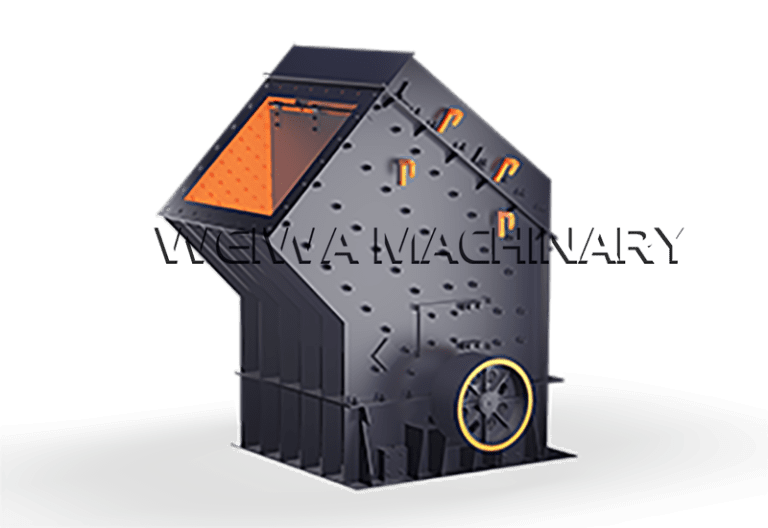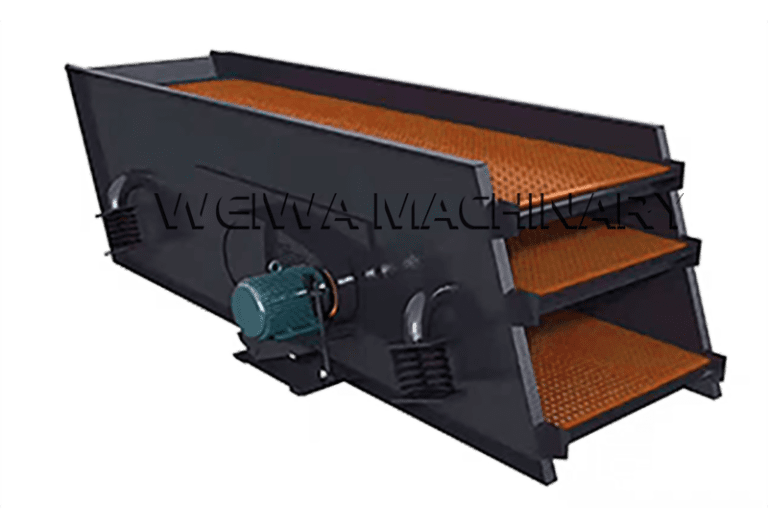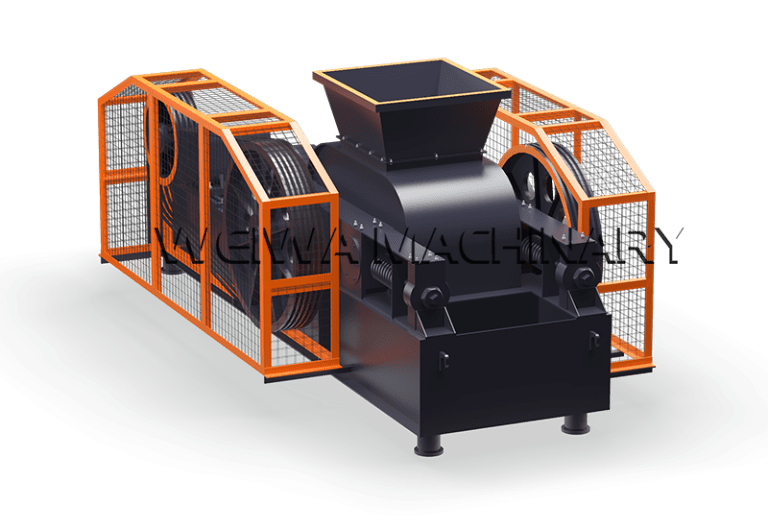
In recent years, demand for reliable crusher in Afghanistan has grown steadily as local infrastructure rebuilding, road construction, and small-to-medium quarry operations expand across Kabul, Kandahar, Herat, Mazar-i-Sharif and Jalalabad. One machine that increasingly draws attention from Afghan aggregate producers and mining contractors is the Two-Stage Crusher, sometimes referred to as a double rotor or two-stage hammer crusher. At Weiwa Machinery, with more than thirty years of experience in designing and manufacturing heavy-duty industrial crushing equipment, we have supplied Two-Stage Crusher for Afghanistan clients who process limestone, marble, river gravel, basalt chips, construction demolition waste and even high-moisture shale or coal gangue.
What Is a Two-Stage Crusher and How Does It Work?
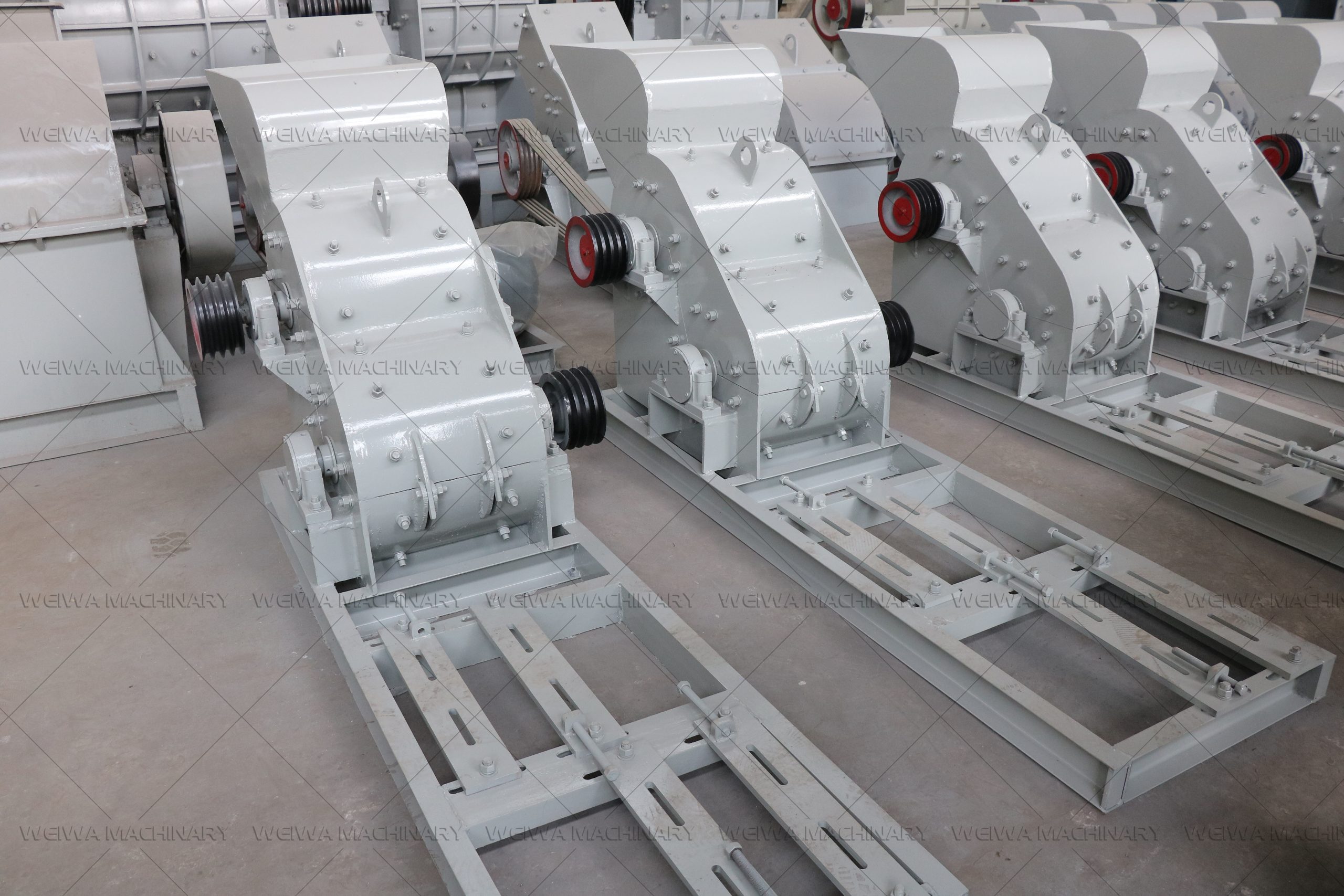
A Two-Stage Crusher is a crushing machine that reduces material size in two sequential impact stages inside one integrated housing. Most modern two-stage crushers use dual rotors—upper rotor for coarse breaking and lower rotor for fine crushing—so that large feed lumps entering the first chamber are struck, fractured, then dropped onto the second high-speed rotor which pulverizes them further into uniform fine particles. Unlike traditional single-stage hammer crushers, the two-stage design does not rely on a bottom screen grate in many configurations, which means wet or clay-bearing material such as Afghan limestone with surface moisture or recycled concrete with residual mortar will not easily clog the machine.
Dual Rotor Crushing Principle in Simple Terms
Raw material is fed through a vibration-resistant hopper into the first crushing chamber where the upper rotor with high-alloy hammers impacts the stone, breaking it from boulders of up to 200 mm down to 20–40 mm intermediates. Those partially crushed particles fall directly into the second chamber where the lower rotor, often rotating at a higher tip speed, strikes them again, mutually crushing stone against stone and against wear liners, finally discharging at below 3 mm to 15 mm depending on gap adjustment. Because the two rotors share the total reduction ratio, neither rotor is overloaded, wear is distributed, and the final product shows better cubic shape and tighter grading curve than single-pass crushing.
Key Components of Weiwa Two-Stage Crusher
Weiwa two-stage crushers are built with a welded steel frame reinforced against shock loads, two independently driven rotors mounted on heavy-duty spherical roller bearings, high chromium alloy hammer heads that can be rotated or replaced individually without discarding the hammer holder, manganese steel liner plates in both chambers, a spring or hydraulic opening device for fast access to the crushing cavity, and an integrated discharge chute. Motors are typically Siemens or Chinese premium brand, and the control cabinet includes overload protection, ammeter monitoring and optional soft starter to reduce inrush current—important in Afghan workshops where power supply may fluctuate.
Crushing Industry Landscape and Material Characteristics in Afghanistan
Afghanistan possesses abundant natural stone resources including limestone, marble in Herat and Kabul provinces, granite and basalt in mountainous regions, as well as river gravel deposits. Many Afghan contractors also recycle old concrete from demolished buildings in urban centers. However, several field conditions make conventional single-stage jaw plus cone plants less attractive for small and mid-size operators: high initial investment, need for multiple conveyors, limited technical manpower for complex multi-machine lines, and seasonal rainfall that makes moist material clog traditional grates. This is exactly where a Two-Stage Crusher in Afghanistan proves its value—compact footprint, lower capital cost than a full two-machine plant, simplified operation, and resistance to blockage when processing damp limestone or mixed C&D waste.
Typical Afghan Raw Materials Suitable for Two-Stage Crusher
Limestone and marble are the most common quarried stones in Afghanistan and are well handled by the two-stage crusher thanks to moderate abrasiveness and the ability to produce fine aggregate for concrete and masonry mortar. River cobbles and weathered basalt can also be processed though abrasive wear parts should be upgraded to high manganese or ceramic-composite hammers. Construction and demolition waste such as broken concrete blocks, bricks and tiles are crushed effectively, with the no-grate-bottom design preventing blockage from rebar or mortar clumps. In northern provinces where coal or shale by-products appear, the two-stage crusher can handle higher moisture content without shutting down—a practical advantage in winter or rainy seasons.
Why Afghan Buyers Choose Two-Stage Crusher Over Traditional Setups?
For many Afghan aggregate producers, a Two-Stage Crusher for Afghanistan means buying one machine instead of a primary jaw plus secondary impact or cone, saving foundation cost, reducing electric cabling and conveyor expense, and minimizing the number of operators needed per shift. Energy per ton is often lower because material is not re-handled between machines. Maintenance is straightforward—liners and hammers are bolt-on parts, and Weiwa supplies detailed manuals in English plus WhatsApp video guidance. Spare parts kits can be container-shipped together with the main unit, ensuring continuous operation even in remote provinces.
Weiwa Two-Stage Crusher Models and Technical Overview
Weiwa Machinery offers several two-stage crusher models ranging from 20 t/h to 150 t/h capacity. Typical feed size is ≤100–200 mm, discharge size adjustable from ≤3 mm up to 20 mm by changing rotor clearance and liner arrangement. Motor power commonly ranges from 45 kW × 2 on smaller units to 160 kW × 2 on high-capacity models. All models can be paired with a vibrating feeder upstream and a belt conveyor or bucket elevator downstream to form a compact crushing line. Below is a brief non-exhaustive overview of popular models:
Model ZPC 600×600—feed ≤100 mm, discharge ≤3 mm adjustable, capacity 20–30 t/h, motor 22 kW × 2. Model ZPC 800×600—feed ≤120 mm, capacity 35–55 t/h, motor 45 kW + 55 kW. Model ZPC 1000×800—feed ≤160 mm, capacity 60–90 t/h, motor 55 kW + 75 kW. Model ZPC 1200×1000—feed ≤200 mm, capacity 80–120 t/h, motor 90 kW + 110 kW. Larger models up to 180 t/h are available on request. Each Weiwa Two-Stage Crusher leaves the factory after no-load running test, rotor dynamic balancing check, and paint thickness inspection.
Weiwa Factory Trial Run and Test Report for Afghanistan Clients
Before any Two-Stage Crusher for Afghanistan is packed for ocean freight, Weiwa carries out a documented pre-delivery trial. We feed representative sample material—often limestone or similar to the customer’s declared raw stone—into the assembled machine, run the dual rotors at rated speed, measure amperage draw, check bearing temperature rise, listen for abnormal vibration, collect discharged product and sieve it to confirm the fineness modulus matches the Afghan client’s requirement for concrete aggregate or brick-making raw powder. Photos and short videos of the running test are shared with the buyer via email or WhatsApp so they see the actual crushing effect. For one recent Afghanistan inquiry, the customer needed <10 mm product with a portion below 3 mm for brick plant use; our ZPC 1000×800 model achieved 65 t/h with 38 percent below 3 mm and no clogging during a continuous two-hour wet-limestone trial. Such trial records give Afghan purchasers confidence that the crusher in Afghanistan they order will perform on site.
Quality Control and Export Packing
Rotors are dynamically balanced to ISO-standard tolerance. Welds are magnetic particle inspected on main load-bearing seams. Electric motors are tested for insulation resistance. The main frame is coated with anti-corrosion primer plus finish coat in Weiwa blue or client-specified RAL color. For sea shipment to Karachi then truck to Afghanistan, the crusher is partially disassembled—rotors remain mounted or are crated separately depending on container size—wrapped in stretch film, placed on wooden skids, with spare hammer heads and liners in labeled cartons. Chinese and English markings on the crate exterior help customs clearance and final site unloading.
How to Select the Right Two-Stage Crusher for Your Afghan Quarry or Plant?
Choosing the correct Two-Stage Crusher in Afghanistan starts with honest evaluation of your material. Tell your supplier the maximum feed lump size, average moisture percentage, abrasiveness (limestone vs basalt), desired output size range and required hourly throughput. If you plan to produce mainly 0–5 mm sand substitute, pick a model with finer adjustable gap and possibly add a screening module after the crusher. If your raw stone is large boulders from a mountain quarry, confirm the hopper and feeder width match loader bucket size. Weiwa engineers assist with this selection at no cost and can propose a simple flow diagram showing recommended feeder, Two-Stage Crusher, discharge belt and optional screen. We also advise on foundation drawing, minimum workshop dimensions and estimated power cable specification so your local electrician can prepare the site in Afghanistan before the machine arrives.
Installation Commissioning and After-Sales Support
Upon arrival, Weiwa can provide PDF installation drawings, English operation manual, and remote video commissioning. For larger orders, sending a Chinese technician to Afghanistan can be discussed subject to visa and security conditions; alternatively our 24/7 WhatsApp support line walks your local mechanic through rotor gap adjustment, hammer reversal schedule, bearing lubrication interval and troubleshooting steps such as clearing a jammed chamber. Wearing parts—hammers, liners, bearing seals—are stocked in our warehouse and can be air-freighted to Afghanistan within days when needed.
Advantages of Weiwa Two-Stage Crusher Compared to Single-Stage Alternatives
The two-stage approach gives better particle shape because material is re-struck in the second chamber rather than merely squeezed. It allows higher reduction ratio in one machine—from 150 mm feed down to <5 mm in a single pass—where a single hammer crusher would either choke or produce oversize flakes. Energy per ton is optimized since each rotor only does part of the work. Blockage risk drops dramatically with the grate-less design, critical when Afghan sites process damp limestone after irrigation canal digging or early spring rains. Footprint is smaller than installing both a jaw and a cone, saving civil works cost which matters for Afghan entrepreneurs starting a new crushing yard on a budget.
Conclusion and Next Steps
If you are evaluating a Crusher in Afghanistan for limestone, marble, recycled concrete or mixed hard stone, the Two-Stage Crusher for Afghanistan from Weiwa Machinery deserves serious consideration. It combines primary and secondary crushing in one rugged unit, resists clogging with wet material, produces uniform fine aggregate, and comes with factory test certification and ongoing technical support. We invite Afghanistan quarry owners, construction companies, brick plant managers and equipment importers to contact Weiwa Machinery for a tailored proposal including model recommendation, flow sheet, FOB or CIF price to Karachi, and spare parts list. Let our thirty years of crushing expertise help you build a more efficient aggregate production line in Afghanistan.
About Weiwa Machinery
Weiwa Machinery is a professional manufacturer of crusher machine, ball mill, rotary dryer and complete mineral processing solutions, serving customers in over 120 countries including Afghanistan, Iran, Bolivia, Russia and Southeast Asia. With 30+ years of experience, we provide customized engineering, factory trial runs, spare parts supply and on-site or remote commissioning support.
Email: [email protected]
Phone / WhatsApp: +86 18439853888
Website: https://crushmixplant.com/crusher-machine/two-stage-crusher.html
Address: Dahuangye Industrial Zone, Gongyi City, Henan Province, China