The morning sun filtered through the steel rafters of our Weiwa Machinery production hall as the final inspection team signed off on a heavy‑duty ball charcoal briquettes machine destined for Mombasa, Kenya. For our engineers, this was not merely another export order but a tangible contribution to sustainable fuel development in East Africa. Over the past thirty years, Weiwa Machinery has witnessed countless machines leave our factory floors, yet each shipment carries its own narrative of customization, technical refinement, and cross‑border partnership. This particular charcoal ball press machine represents both our manufacturing maturity and the accelerating demand for making charcoal balls in Kenya.
Factory Shipment Scene and Pre‑Delivery Preparation
In the weeks preceding the container loading, our production department operated on a tightly coordinated schedule. The ball charcoal briquettes machine underwent a full‑scale load test using simulated charcoal fines mixed with cassava‑based binder to mirror typical Kenyan raw materials. During the trial, the rollers maintained consistent pressure while ejecting uniformly dense spheres, each meeting the diameter tolerance requested by the client. Our quality‑control engineers recorded vibration levels, motor temperature curves, and hydraulic stability data to ensure compliance with both Chinese export standards and the operational expectations of Kenyan workshops.
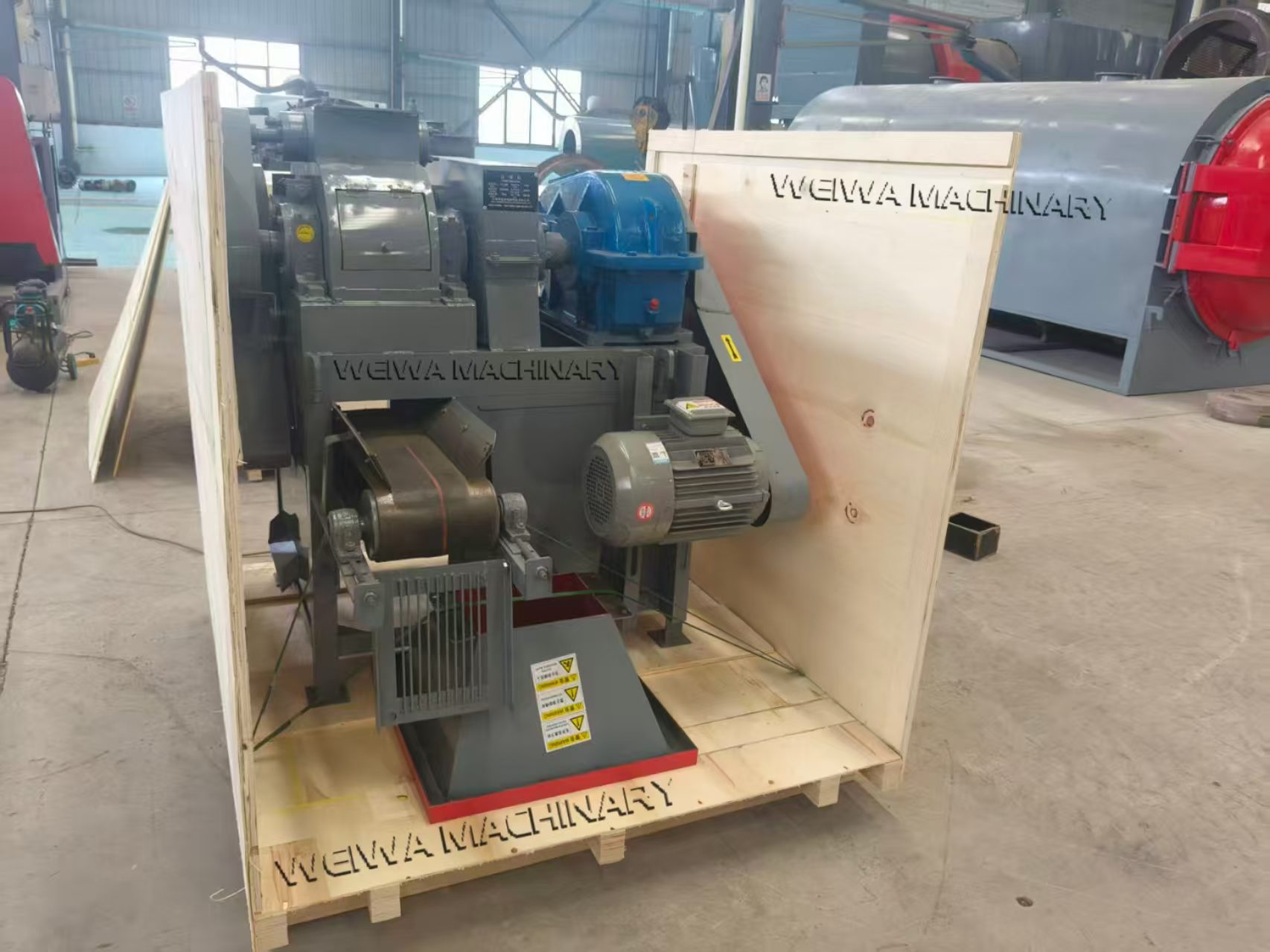
Once testing concluded, anti‑rust coating was applied to all exposed alloy surfaces. The main frame, reduction gearbox, and customized roller skins were wrapped in moisture‑barrier film before being anchored into reinforced plywood crates. Inside the crate, desiccant packets were placed near electrical components to mitigate humidity during the maritime transit from Qingdao Port to Kenya. Our logistics coordinator cross‑checked voltage configuration, confirming the control panel was wired for 415 V/50 Hz to align with Kenyan industrial power standards. Throughout the packing process, photographs and short video clips were shared with the Kenya‑based buyer, reinforcing transparency and trust before the vessel departed.
The day of loading arrived with a sense of measured urgency. Forklifts maneuvered the crated charcoal briquette machine into a 40‑foot high‑cube container, followed by spare scraper blades, a set of installation wrenches, and a printed English operation manual. Stretch‑strapping was applied at six contact points to prevent shifting, and a GPS‑enabled seal was fixed to the container door. As the truck pulled away from the Weiwa Machinery export zone, the shipment embarked on a 28‑day ocean voyage that would ultimately place this charcoal ball press machine into a Nairobi‑area production facility focused on making charcoal balls for local hospitality and residential fuel markets.
Why Making Charcoal Balls in Kenya Is Gaining Momentum?
Kenya’s energy landscape is undergoing a quiet transformation. Rapid urbanization, coupled with rising awareness of deforestation risks, has pushed both households and commercial kitchens to seek alternatives to irregular lump charcoal. Making charcoal balls in Kenya offers a pathway to standardize fuel quality while utilizing abundant biomass residues such as sawdust, coconut shells, rice husks, and charcoal dust generated by traditional kilns. A ball charcoal briquettes machine converts these fine wastes into dense, spherical fuel units that ignite predictably, burn longer, and emit less smoke than loosely packed charcoal fragments.
From an economic standpoint, the margins are compelling. Raw charcoal fines are often undervalued or discarded near urban timber yards and rural carbonization sites. By investing in a charcoal briquette machine, Kenyan entrepreneurs can acquire low‑cost input material and transform it into a branded, packaged product sold at a premium to restaurants, schools, and peri‑urban households. Several counties in Kenya have begun exploring biomass‑briquette incentives aligned with Vision 2030 sustainability goals, indirectly supporting small‑scale manufacturers who adopt cleaner production technologies. The machine we shipped is expected to process up to several tons per hour depending on moisture conditioning, positioning our client to serve both Nairobi’s inner‑city food vendors and wholesale distributors in secondary towns such as Kisumu and Nakuru.
Beyond commerce, there is an environmental narrative. Deforestation remains a sensitive issue in parts of Kenya where firewood and charcoal production drive tree loss. When communities embrace making charcoal balls in Kenya using agricultural waste rather than fresh wood, the pressure on native woodlands eases. A charcoal ball press machine does not solve the challenge alone, but it is a critical link in a circular economy where waste becomes energy. International development programs and local NGOs have increasingly referenced briquette adoption in their clean‑cooking pilots, further validating the market trajectory that prompted our Kenya client to secure this equipment from Weiwa Machinery.
Understanding the Charcoal Ball Press Machine and Its Core Working Principle
A charcoal ball press machine belongs to the family of roller‑type briquetting equipment. Its primary function is to compress fine powdered material into predefined geometric shapes—commonly spheres, ovals, or pillows—through mechanical pressure exerted by a pair of counter‑rotating rollers. Each roller carries precisely machined pockets. When the rollers turn toward each other, material fed from the hopper is forced into these pockets. As the pockets intersect, the material is squeezed to high density, then released as the rollers continue rotating and the pocket opens on the discharge side.
In the unit shipped to Kenya, the roller skins were manufactured from #65 manganese steel, CNC‑machined to maintain pocket symmetry and surface hardness. The hydraulic system allows the operator to modulate pressure depending on feedstock characteristics. Charcoal fines with lower moisture and higher fixed‑carbon content typically require different pressure settings compared to blended biomass–charcoal mixes. The variable‑pressure design ensures the charcoal briquette machine adapts to seasonal changes in raw material quality, a frequent reality for Kenyan producers working with diverse agricultural residues.
The drive assembly consists of a main electric motor coupled to a hardened reduction gearbox. Power transmission is stabilized by heavy‑duty bearings rated for continuous operation under oscillating loads. A screw‑type feeding conveyor sits above the rollers, regulating material flow to prevent over‑filling or pocket voids. The entire process is continuous: crushing and sieving upstream, mixing with binder, conveying to the hopper, pressing into balls, and discharging onto a belt for drying. Understanding this sequence is essential for anyone evaluating a ball charcoal briquettes machine for Kenyan conditions, where inconsistent feedstock sizing can otherwise lead to roller jamming or misshapen outputs.
Key Components That Influence Briquette Quality
Several subsystems determine whether a charcoal ball press machine delivers market‑grade spheres. Roller skin hardness dictates wear life; softer alloys deform under prolonged pressure, altering ball dimensions and causing ejection issues. Pocket depth and draft angle influence demolding behavior—too shallow and balls fracture, too deep and they stick. The binder‑mixing stage upstream is equally vital. In Kenya, starch‑based binders remain common due to local availability, though some operators experiment with molasses or clay blends. Uniform dispersion of binder within charcoal fines ensures internal cohesion so that finished charcoal balls survive handling and transport on rough rural roads.
Pressure calibration also interacts with moisture content. Material entering the charcoal briquette machine should ideally be below a certain threshold, often around five to eight percent, depending on formulation. Excess moisture generates steam under compression, creating microfissures that weaken the ball. Conversely, overly dry mixes may lack plasticity, requiring higher pressure that accelerates roller wear. Our technical team discussed these trade‑offs with the Kenya client during the pre‑order design phase, culminating in a machine configuration balanced for the moisture range typical of kiln‑derived charcoal dust in their region.
Typical Charcoal Briquette Machine Production Line Configuration
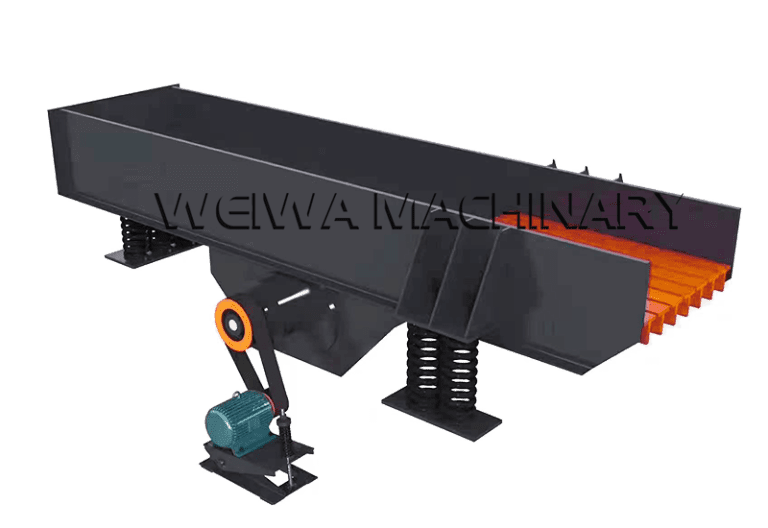
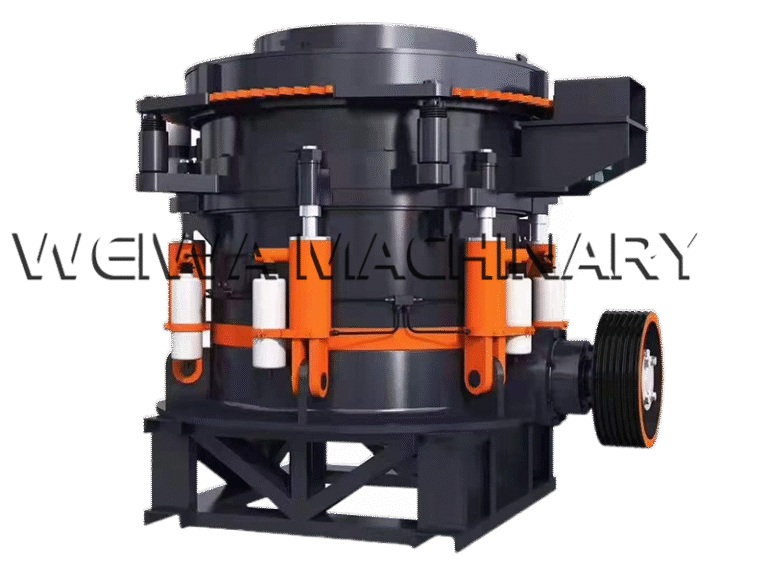
While a charcoal ball press machine is the centerpiece, industrial briquetting rarely operates as a standalone process. A cohesive production line integrates multiple units to ensure continuous, high‑quality output. The journey begins with a crusher or hammer mill that reduces lump charcoal or biomass chunks into particles finer than a specified mesh size. Oversized fragments are recirculated until they meet the size distribution required by the ball charcoal briquettes machine.
Next comes the wheel grinder or twin‑shaft mixer where charcoal powder is blended with binder solution. Water is added incrementally to reach optimal plasticity without exceeding moisture limits. Some Kenyan setups incorporate a forced‑mixing pug mill to homogenize sticky mixtures, particularly when agricultural residues vary in fiber content. After mixing, the material may pass through a conveyor to a small buffer silo equipped with a level sensor, ensuring the charcoal briquette machine receives steady feed without surges that could stall the rollers.
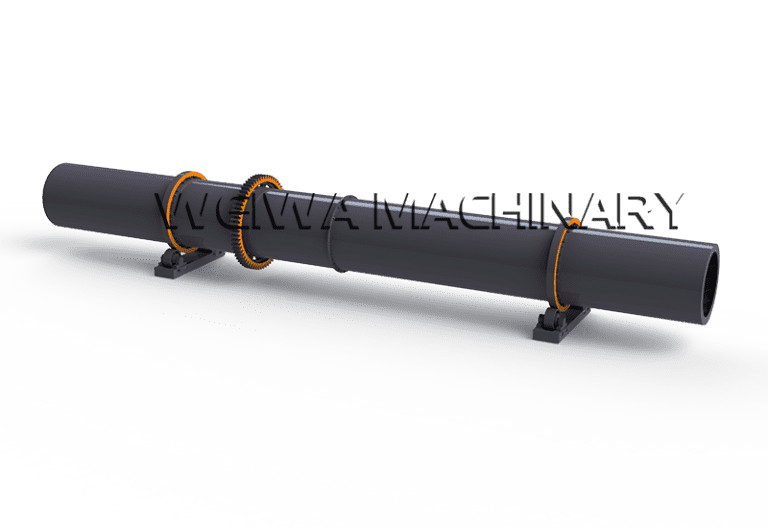
Following compaction, the freshly formed charcoal balls contain residual moisture and require drying. Depending on scale and climate, operators may use a mesh‑belt dryer, a rotary drum dryer, or solar drying yards. In Kenya’s sunny lowland regions, solar drying remains cost‑effective for micro‑enterprises, whereas industrial players near Nairobi often prefer mechanized dryers to guarantee throughput during rainy seasons. Once dried to a stable moisture level, briquettes can be cooled, graded, and packed using semi‑automatic packaging machines. Throughout this line, the charcoal ball press machine must be synchronized—its speed, pressure, and feed rate aligned with upstream preparation and downstream drying capacity to avoid bottlenecks.
Customization Considerations for the Kenya Market
Weiwa Machinery approaches each Kenya inquiry with a site‑specific mindset. Workshop dimensions, local voltage stability, raw‑material seasonality, and labor skill levels all inform machine design. For the recent shipment, the client requested a compact base frame to fit within an existing corrugated‑metal shed. Our engineers shortened the conveyor approach and integrated the control panel into a weather‑resistant enclosure suitable for dusty environments. Mold size was set to thirty millimeters in diameter, a versatile ball size favored by Kenyan barbecue vendors who value quick ignition and manageable stack height in portable stoves.
Another customization involved the inclusion of an emergency stop loop accessible from both sides of the charcoal briquette machine, addressing occupational‑safety expectations increasingly emphasized by Kenyan occupational‑health discussions. We also supplied a spare set of scraper blades and a roller‑gap adjustment toolkit, knowing that remote workshops may face delays in importing consumables. These incremental adaptations differentiate a generic ball charcoal briquettes machine from one engineered for making charcoal balls in Kenya under real‑world constraints.
Market Potential and Long‑Term Outlook for Charcoal Briquette Machine Adoption in Kenya
Industry observations suggest Kenya’s briquette sector remains in a growth phase characterized by fragmentation and opportunity. Urban centers exhibit steady demand from hotels, boarding schools, and institutional kitchens seeking predictable fuel costs. Rural areas, meanwhile, sit atop substantial biomass waste streams—sugarcane bagasse, maize cobs, sawmill dust—that often go unused. A charcoal ball press machine bridges this gap, monetizing waste while displacing partially inefficient fuel sources.
Neighboring East African countries watch Kenya’s clean‑cooking experiments closely. Success stories in Kiambu or Mombasa can ripple into Uganda and Tanzania, creating cross‑border equipment demand. For manufacturers like Weiwa Machinery, this implies not only machine sales but also after‑sales training, remote troubleshooting, and occasional on‑site commissioning. The Kenya client who received our latest shipment intends to scale from pilot batches to full‑shift operation within six months, a trajectory that, if realized, may prompt peer entrepreneurs to evaluate similar charcoal briquette machine investments.
Policy signals also matter. Although incentives fluctuate, Kenya’s broader energy strategy acknowledges biomass densification as a transitional clean‑fuel pillar. Development partners occasionally co‑finance briquette starter kits for women’s cooperatives or youth groups, indirectly stimulating machinery imports. While a single ball charcoal briquettes machine cannot claim credit for national deforestation reduction, aggregated across dozens of micro‑plants, the cumulative effect on waste utilization and fuel efficiency becomes meaningful. This macro context underpins why Weiwa Machinery continues to prioritize African markets within its export roadmap.
Challenges and Mitigation in Kenyan Briquette Projects
Despite optimism, making charcoal balls in Kenya is not without hurdles. Raw‑material supply chains can be informal, with charcoal dust availability fluctuating between dry and wet seasons. Power reliability in some counties may necessitate diesel‑generator backup or reduced‑capacity motor selections. Marketing remains nascent—many end‑users still equate briquettes with inferior fuel, requiring education on storage, ignition technique, and combustion cleanliness. A charcoal ball press machine alone cannot resolve perception gaps; operators must complement equipment with consistent product quality and customer engagement.
To mitigate these risks, Weiwa Machinery provides pre‑shipment layout drawings so clients can plan material flow, drying space, and finished‑goods storage before the container arrives. Our after‑sales team conducts remote video commissioning, walking Kenyan technicians through roller gap setting, binder ratio trials, and basic maintenance such as bearing greasing and scraper alignment. Over time, such knowledge transfer builds local confidence to operate the charcoal briquette machine autonomously, reducing downtime and protecting the client’s return on investment.
Weiwa Machinery Company Profile and Services
Weiwa Machinery brings more than thirty years of experience in the design, fabrication, and export of industrial machinery, with a specialized focus on briquette and carbonization equipment. Our team combines veteran engineers with a responsive after‑sales department capable of multilingual technical support. We understand that purchasing a ball charcoal briquettes machine is a strategic decision, particularly for overseas clients such as those making charcoal balls in Kenya, and we strive to de‑risk the investment through customization and transparent communication.
Customized service is central to our workflow. From the first inquiry, we analyze the client’s raw‑material profile, target hourly capacity, site dimensions, and budget envelope. Based on this data, we produce 2D or 3D layout drawings illustrating equipment placement, utility connections, and material‑flow routes. Whether the requirement is a single charcoal ball press machine or a full production line with crushers, mixers, dryers, and packagers, we tailor the configuration rather than offering rigid, one‑size‑fits‑all bundles.
Our manufacturing base in Henan Province houses CNC machining centers, welding workshops, and assembly bays where each charcoal briquette machine undergoes load testing before export. Quality documentation, including steel‑grade certificates and electrical schematics, accompanies every shipment. Post‑delivery, clients can access digital operation manuals, spare‑parts catalogs, and scheduled video check‑ins during the commissioning period. For complex installations, we can dispatch engineers to the destination country subject to mutual agreement.
We invite prospective partners to leverage our expertise in making charcoal balls viable and profitable. Whether you are evaluating a charcoal ball press machine for a Nairobi workshop or planning a regional distribution hub in Mombasa, Weiwa Machinery offers the technical depth and long‑term support to accompany your project from concept to stable production.
Contact Us
Email: [email protected]
Phone / WhatsApp: +86 18439853888
Additional Phone: +86 18439853888