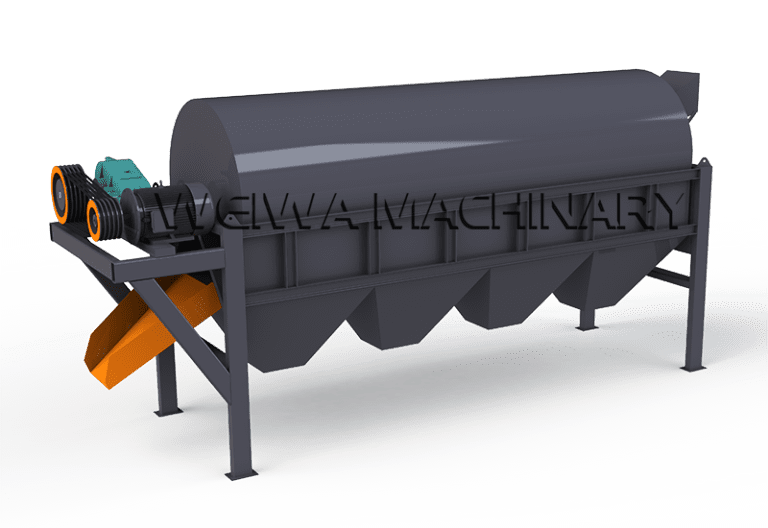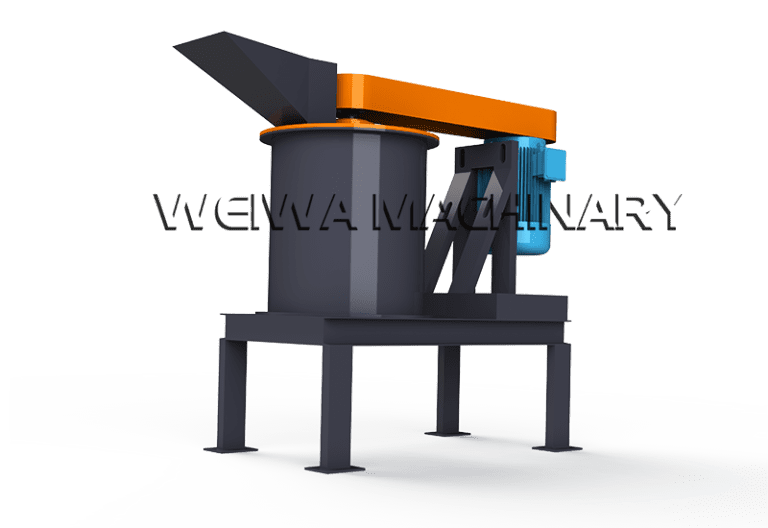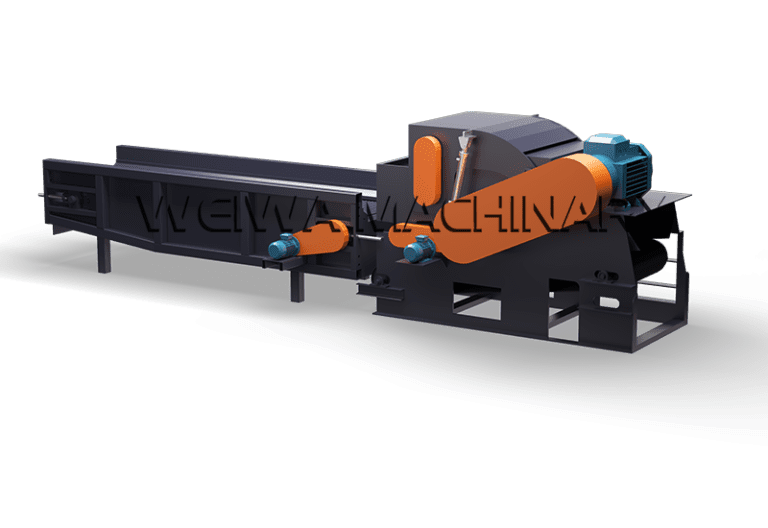
Early this month, Weiwa Machinery completed the factory acceptance test and international shipment of a heavy-duty hammer crusher bound for Vietnam. This delivery represents more than a single equipment export; it reflects the growing demand for reliable crushing solutions across Vietnam’s mining, construction, and cement sectors.
Why Vietnam Is a Strategic Market for Hammer Crushers?
Over the past decade, Vietnam has emerged as one of Southeast Asia’s most dynamic industrial economies. Infrastructure expansion, urban redevelopment, and mineral resource utilization have driven consistent demand for crushers capable of handling limestone, coal, gypsum, and construction waste. The versatility of a hammer crusher aligns closely with these requirements. Unlike multi-stage crushing systems, a hammer crusher can achieve significant size reduction in a single pass, an advantage that resonates strongly with Vietnamese producers seeking cost-efficient operations.
In northern provinces such as Cao Bang and Lang Son, limestone reserves are extensive and relatively soft to medium-hard—an ideal feed condition for impact-based crushers. Meanwhile, in Quang Ninh, coal processing plants require equipment that can deliver consistent output without excessive maintenance downtime. These regional characteristics explain why Crusher for Vietnam inquiries have increased steadily in recent years, particularly among mid-scale quarry operators and cement producers.
Technical Overview of the Hammer Crusher Delivered to Vietnam
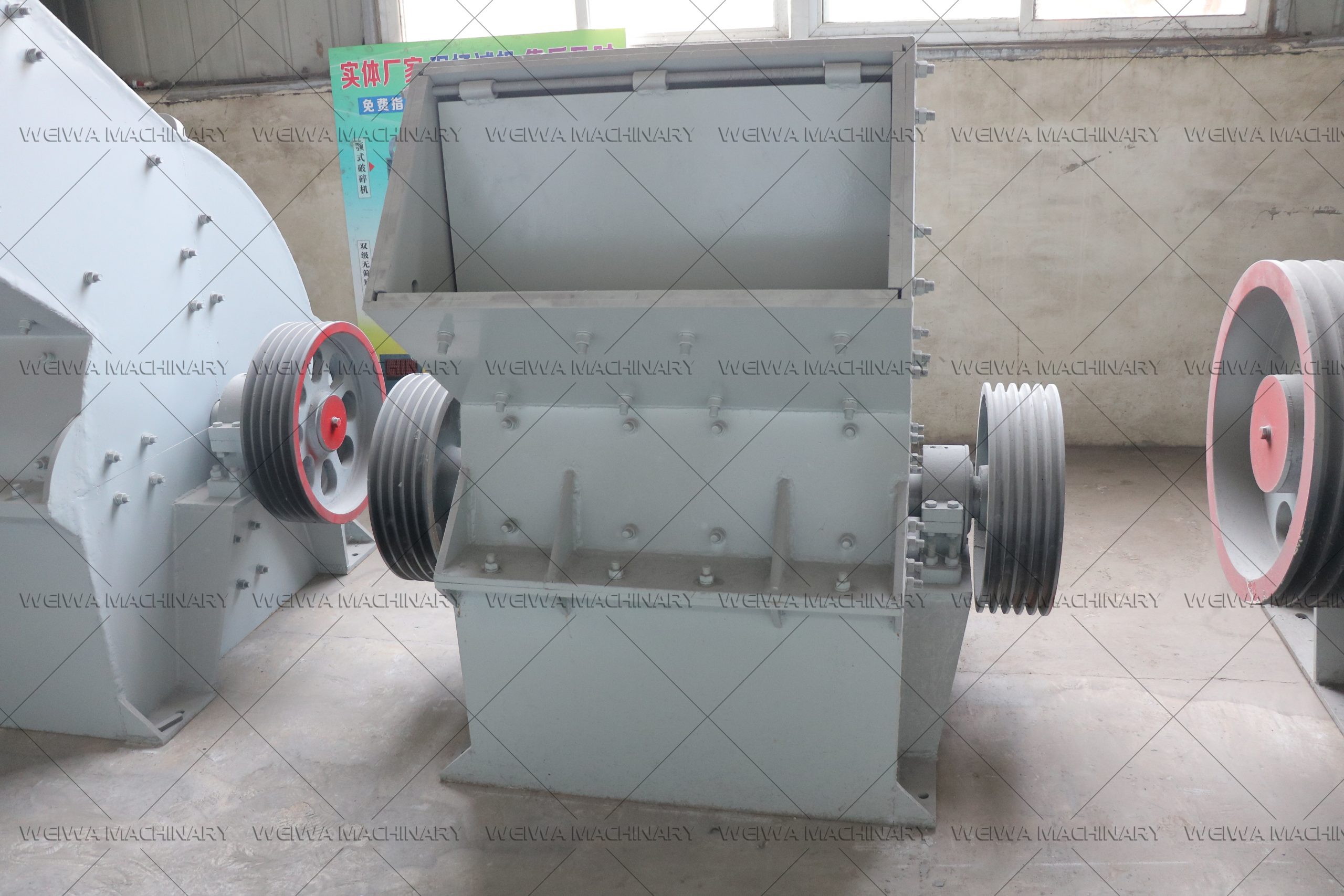
The hammer crusher shipped from Weiwa Machinery’s Gongyi production base features a high-strength alloy steel rotor, manganese steel hammers, and a modular screen system designed for flexible particle-size control. The rotor diameter and width were engineered to balance throughput capacity with energy consumption, ensuring that the machine remains economical even under continuous operation.
One design priority for the Vietnam-bound unit was tropical climate resilience. High humidity and seasonal rainfall can accelerate corrosion and affect motor performance. To mitigate these risks, Weiwa applied anti-rust coatings, sealed bearing housings, and tropical-grade insulation across key electrical components. Such adaptations are critical when deploying a Hammer Crusher in Vietnam, where environmental conditions differ significantly from temperate manufacturing sites.
Rotor Speed and Screen Configuration
Rotor speed directly influences impact force and final product granularity. For Vietnamese limestone applications, the delivered hammer crusher operates at an optimized speed range that maximizes reduction ratios while minimizing hammer wear. The bottom screen uses interchangeable grates, allowing operators to switch between coarse and fine output profiles depending on downstream requirements, such as ball mill feed or road-base aggregate production.
Working Principle Applied to Vietnamese Materials
The working principle of a hammer crusher relies on high-speed rotating hammers that strike incoming material, shattering it through impact and attrition. In Vietnam, where many quarries process relatively low-silica limestone, this mechanism proves especially effective. Material entering the crushing chamber encounters rapidly swinging hammers, which fracture particles upon first contact. Subsequent collisions with breaker plates and repeated hammer impacts refine the product until it passes through the discharge screen.
During trial runs conducted after installation, the hammer crusher demonstrated stable performance across varying feed sizes. Vietnamese limestone, with compressive strength typically below 120 MPa, responded predictably to impact crushing, yielding uniform particle shapes suitable for cement raw meal preparation. This consistency reinforces the suitability of hammer crusher for Vietnam across multiple downstream processes.
On-Site Trial Run Results in Vietnam
Following arrival at the customer’s site in northern Vietnam, Weiwa technicians supervised equipment installation, alignment, and commissioning. Initial no-load testing confirmed proper rotor balance and vibration control. Once fed with quarry-run limestone, the hammer crusher reached target throughput within minutes. Output particle size distribution matched pre-shipment simulations, with more than eighty-five percent of material falling within the desired grading envelope.
Notably, power consumption remained within projected ranges despite elevated ambient temperatures exceeding thirty-five degrees Celsius. Dust suppression systems integrated into the crusher housing minimized airborne particulates, an important consideration for environmental compliance in Vietnamese industrial zones. Operators reported intuitive controls and straightforward access for routine inspections, factors that contribute to long-term equipment reliability.
Wear Resistance Under Tropical Conditions
After one hundred hours of continuous operation, hammer wear was measured and found to be within expected tolerances. The combination of manganese hammers and chromium-alloy liners proved effective against abrasive limestone containing minor quartz veins. These results suggest that, with standard maintenance intervals, the crusher can sustain high availability rates across multi-shift production schedules common in Vietnam’s busy quarrying season.
Material Compatibility in the Vietnamese Crushing Industry
While limestone dominates much of Vietnam’s aggregate output, other materials also benefit from hammer crusher technology. Gypsum sourced from Thanh Hoa province, for example, requires fine crushing prior to cement additive blending. Coal from Quang Ninh often contains variable moisture levels, yet the hammer crusher’s open-discharge design prevents clogging and maintains steady flow. Even construction and demolition waste in urban centers like Hanoi and Ho Chi Minh City can be processed effectively, provided reinforcement bars and oversized debris are pre-screened.
This material versatility explains why many local operators now specify Crusher for Vietnam projects with hammer-type units as either primary or secondary crushers. Compared to jaw crushers, hammer crushers generate a higher proportion of cubical particles, which improves concrete workability and reduces void content in asphalt mixes.
Construction Waste Recycling in Ho Chi Minh City
In metropolitan areas, landfill space is limited and environmental regulations increasingly stringent. Several pilot recycling facilities in Ho Chi Minh City have adopted hammer crushers to process brick, concrete, and tile waste. The ability to adjust screen openings allows these plants to produce recycled aggregates suitable for non-structural fill or road sub-base layers. By integrating a hammer crusher into their workflows, Vietnamese recyclers reduce raw material import dependency and lower carbon footprints associated with virgin aggregate extraction.
How Weiwa Machinery Supports Vietnam-Based Operations?
Weiwa Machinery’s engagement does not end with equipment delivery. For the Vietnam project, our technical team provided remote commissioning guidance, on-site training sessions, and detailed maintenance documentation translated into Vietnamese. Spare parts logistics were pre-planned, with critical components stocked in regional warehouses to minimize lead times. This service-oriented approach distinguishes Weiwa in a market where after-sales support often determines long-term customer satisfaction.
Moreover, Weiwa’s global service network enables rapid response to operational issues. Should adjustments in rotor speed or screen configuration become necessary due to changes in feed material characteristics, our engineers can advise remotely or dispatch field technicians. Such responsiveness is vital for maintaining productivity in Vietnam’s competitive construction materials sector.
Energy Efficiency and Environmental Responsibility
Energy costs represent a significant share of operating expenses for Vietnamese crushing plants. The hammer crusher shipped to Vietnam incorporates several efficiency-enhancing features, including optimized rotor dynamics, low-friction bearings, and intelligent motor controls. During trials, specific energy consumption per ton of product compared favorably with industry benchmarks. Reduced energy demand not only lowers operating costs but also supports national sustainability goals by curbing greenhouse gas emissions from diesel generators and grid electricity.
Dust control measures further align with environmental expectations. Enclosed transfer points, water spray systems, and baghouse filters limit particulate emissions, helping plant operators comply with provincial environmental standards. As Vietnam tightens regulatory oversight, equipment that combines performance with ecological responsibility will gain a clear competitive edge.
Conclusion: A Reliable Crusher Solution for Vietnam
The successful shipment, installation, and trial operation of this hammer crusher underscore Weiwa Machinery’s capability to deliver robust, application-specific crushing solutions to the Vietnamese market. From limestone quarries in the north to recycling facilities in the south, the hammer crusher demonstrates adaptability, efficiency, and durability under real-world conditions. For businesses evaluating a Hammer Crusher in Vietnam, this case illustrates how advanced engineering and attentive service converge to create tangible value.
As Vietnam continues to industrialize, demand for dependable crushers will only intensify. Weiwa Machinery remains committed to supporting this growth with equipment designed for local conditions, backed by decades of manufacturing expertise and a customer-first philosophy. Whether your operation focuses on mining, cement production, or construction recycling, a well-selected hammer crusher can become a cornerstone of your productivity strategy.
About Weiwa Machinery
Weiwa Machinery is a leading manufacturer of industrial crushing and mineral processing equipment based in Gongyi City, Henan Province, China. With more than 30 years of experience, Weiwa has supplied reliable machinery to over 120 countries and regions, serving more than two million customers worldwide. Our product portfolio includes hammer crushers, jaw crushers, impact crushers, ball mills, and complete crushing plants. We emphasize quality, customization, and comprehensive after-sales support, offering technical training, spare parts supply, and on-site service. Committed to innovation and sustainability, Weiwa Machinery helps global partners—including those in Vietnam—achieve efficient, cost-effective, and environmentally responsible operations.
For inquiries about hammer crusher solutions or other crushing equipment, contact us at [email protected] or call +86 18439853888. Our customer service team is available 24/7 to assist with technical consultations, pricing, and project planning.